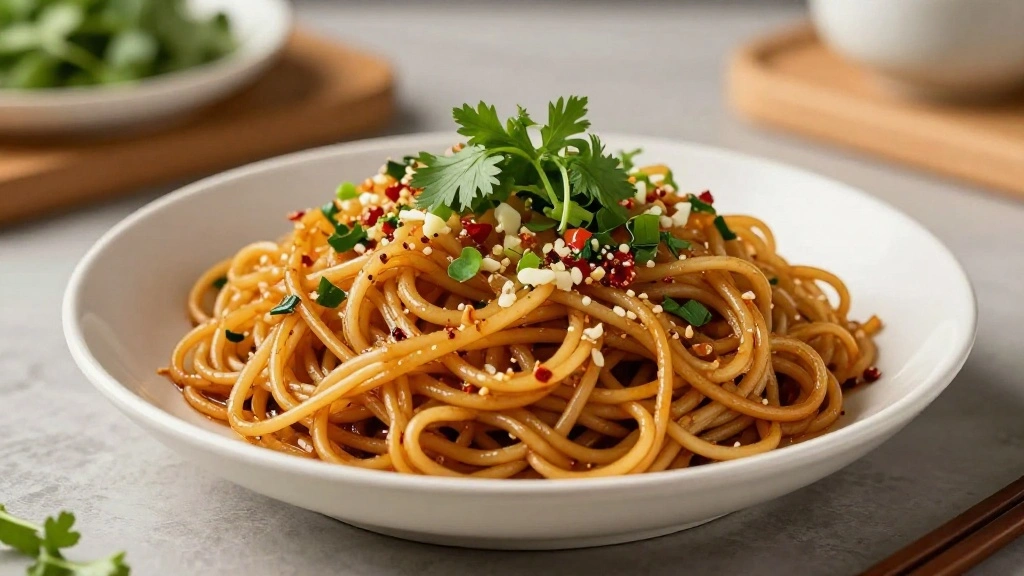
Spicy Garlic Noodles is a dish that combines the rich, earthy flavors of garlic with the fiery kick of chili, creating a tantalizing culinary experience.
Its appeal lies in its simplicity and the bold, vibrant flavors that can be achieved with just a few ingredients.
I first encountered this dish during my travels in Southeast Asia, where it was a staple at bustling street food markets.
The dish is perfect for any season, offering warmth in winter and a spicy zest in summer.
Whether you’re a spice lover or just looking for a quick meal, Spicy Garlic Noodles is sure to satisfy your taste buds.
The History and Cultural Significance
• Spicy Garlic Noodles traces its origins to Southeast Asia, where it was originally created by street vendors seeking to offer a quick yet flavorful meal.
• The dish evolved over decades as new spices and ingredients were introduced, eventually becoming the beloved version we know today.
• In many Asian cultures, this dish traditionally appears at family gatherings and festivals, symbolizing warmth and togetherness.
• While many variations exist across different regions, the authentic version maintains its signature spicy and garlicky profile that sets it apart from imitations.
Recipe Overview
Nutritional Information (per serving)
Essential Equipment Guide
Wok: A wok is essential for achieving the authentic stir-fry experience, providing high heat and even cooking. A large non-stick pan can be an alternative, but look for one with deep sides to prevent spillage.
Garlic Press: This tool is crucial for extracting the full flavor profile from garlic. A fine grater can be used as an alternative, but a press is more efficient for this dish.
Strainer: A fine-mesh strainer is ideal for draining noodles without losing any strands. Look for one with a comfortable handle and sturdy construction.
Ingredients
For the Base
|
|
| Amount | Ingredient | Notes |
|---|---|---|
| 200 grams | rice noodles | soaked in warm water for 10 minutes |
Sauce
| Amount | Ingredient | Notes |
|---|---|---|
| 3 tablespoons | soy sauce | for umami flavor |
| 1 tablespoon | oyster sauce | adds depth |
| 1 teaspoon | sugar | balances heat |
Vegetables
| Amount | Ingredient | Notes |
|---|---|---|
| 1 cup | bean sprouts | fresh, adds crunch |
| 1 medium | bell pepper | sliced, for sweetness |
Seasonings
| Amount | Ingredient | Notes |
|---|---|---|
| 4 cloves | garlic | minced, core flavor |
| 1 teaspoon | chili flakes | adds heat |
Preparation Methods
Garlic Mincing: Mincing garlic releases its essential oils, enhancing the dish's flavor. Use a sharp knife or garlic press for uniform pieces, which ensures even cooking without burning.
Noodle Soaking: Properly soaking noodles is crucial for achieving the right texture. Soak in warm water until soft but not mushy, then rinse under cold water to prevent sticking.
Stir-Frying: This high-heat technique is key for combining ingredients while retaining crisp textures. Keep ingredients moving continuously to prevent burning and ensure even cooking.
Step 1: Prepare Ingredients
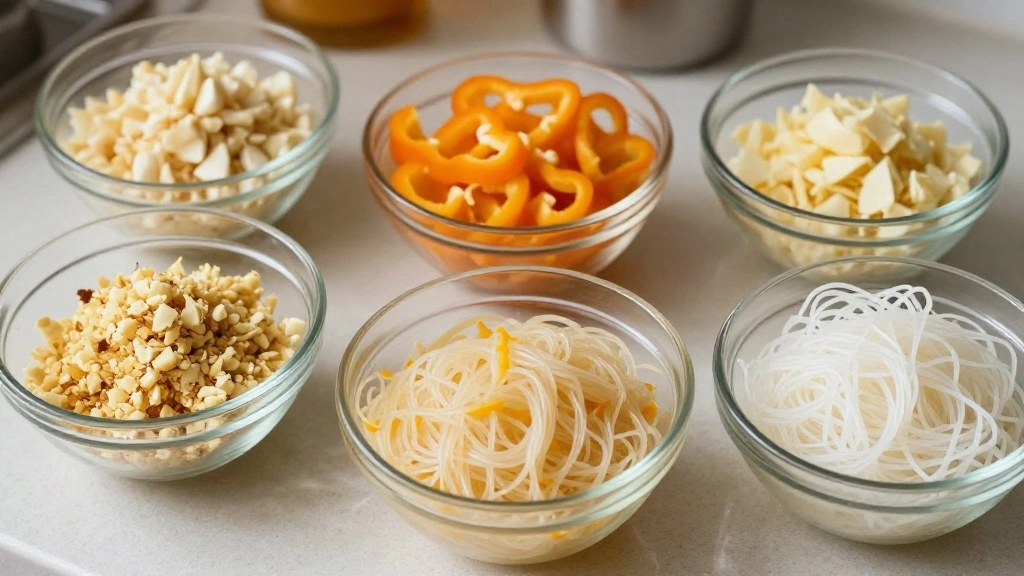
Gather all ingredients and equipment.
Mince the garlic and slice the bell pepper.
Soak the rice noodles in warm water for 10 minutes.
Drain and rinse noodles under cold water to prevent sticking.
Step 2: Make the Sauce
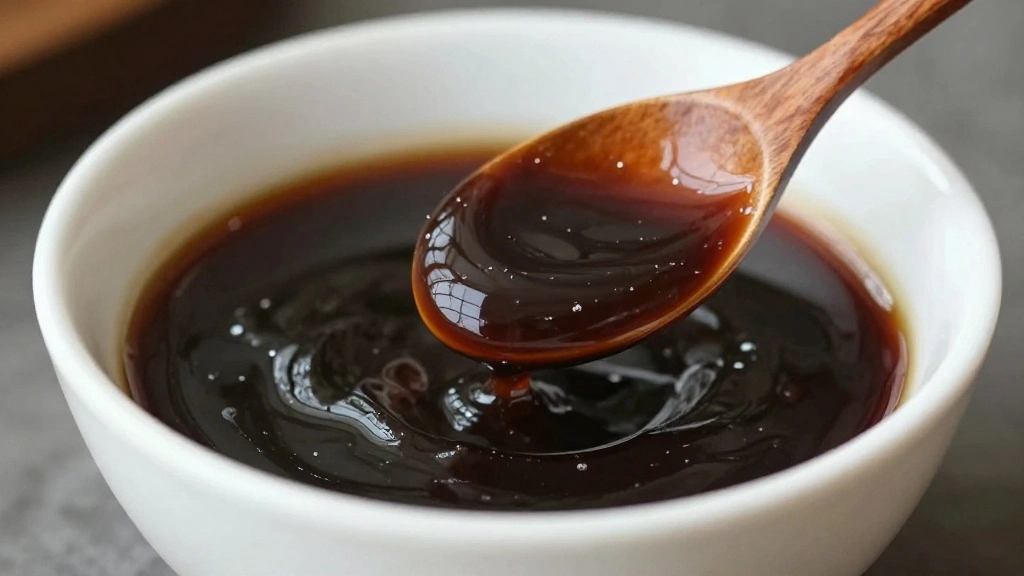
Combine soy sauce, oyster sauce, and sugar in a small bowl.
Stir until the sugar is completely dissolved.
Taste and adjust seasoning if necessary.
Set the sauce aside for later use.
Step 3: Heat the Wok
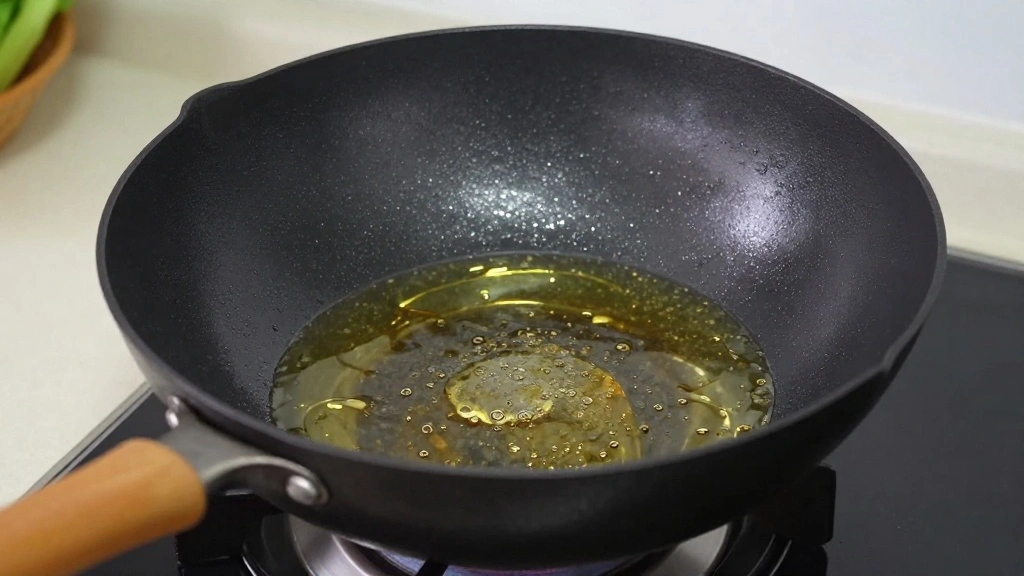
Place the wok over high heat until it begins to smoke.
Add a splash of oil to coat the surface evenly.
The oil should shimmer, indicating it's hot enough.
Be careful not to let the oil burn.
Step 4: Sauté Garlic
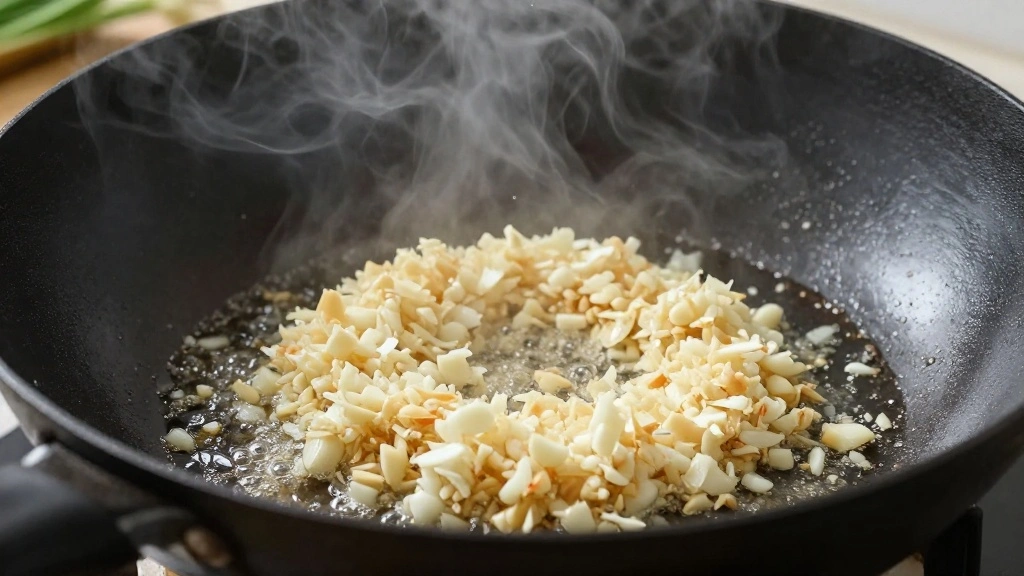
Add minced garlic to the hot wok.
Stir quickly to prevent burning.
Cook until the garlic is golden and fragrant.
Remove from heat immediately if it begins to brown too quickly.
Step 5: Stir-Fry Vegetables
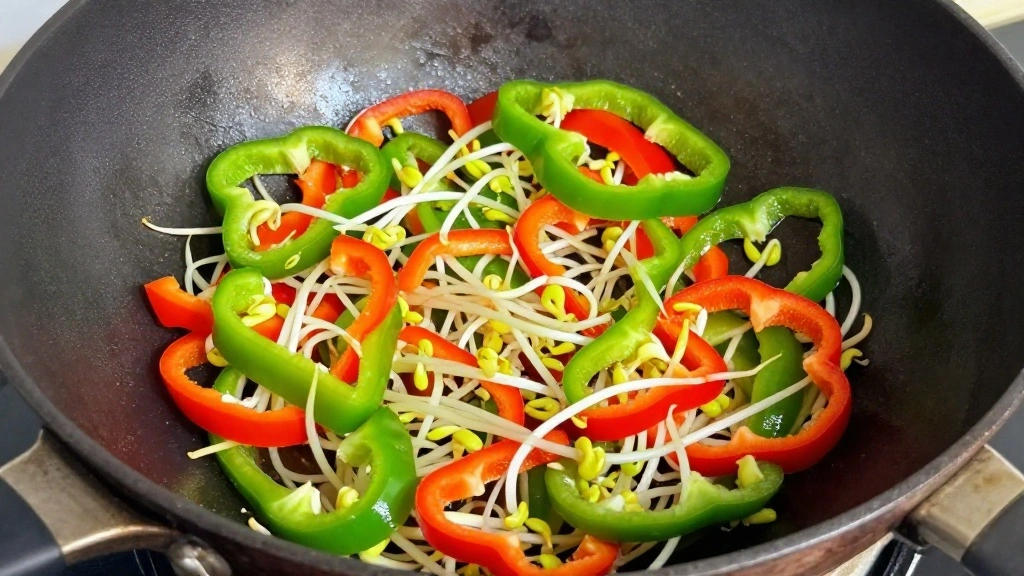
Add sliced bell pepper and bean sprouts to the wok.
Toss continuously to ensure even cooking.
Cook until the vegetables are slightly softened but still crisp.
Adjust the heat as needed to prevent burning.
Step 6: Add Noodles
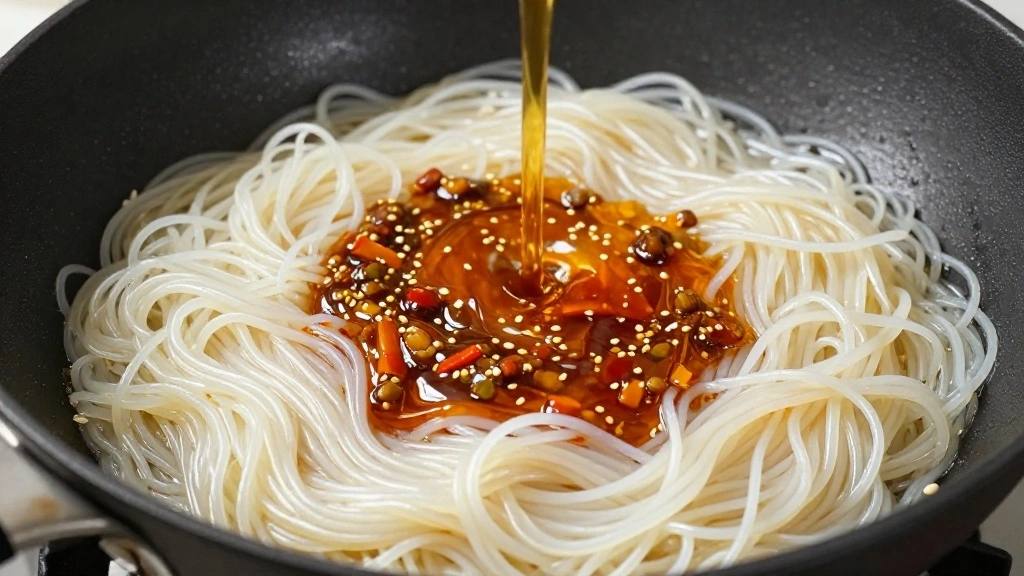
Add the soaked and drained noodles to the wok.
Pour the prepared sauce over the noodles.
Toss the noodles and vegetables together until well coated.
Ensure the sauce is evenly distributed among the ingredients.
Step 7: Season with Chili Flakes
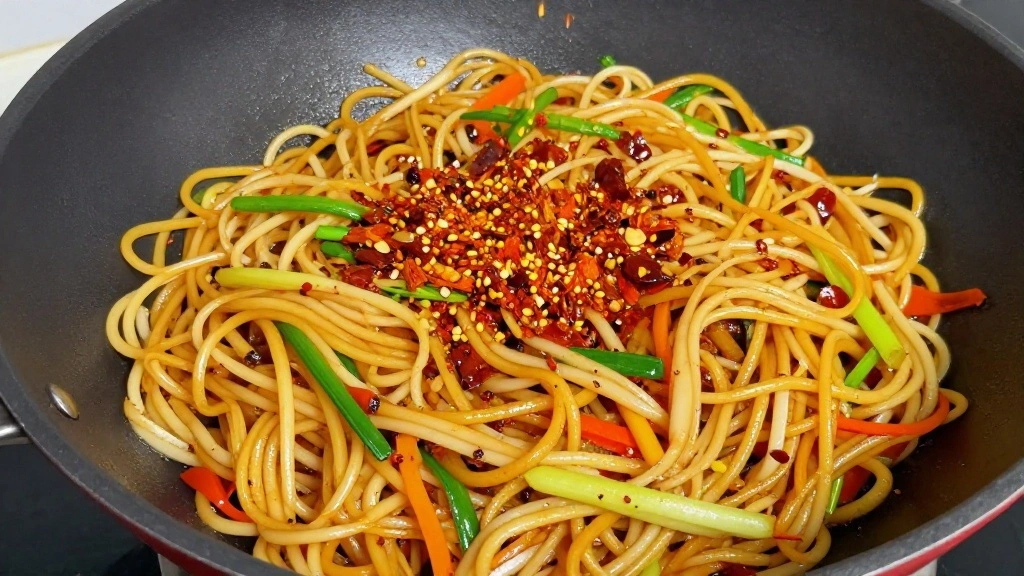
Sprinkle chili flakes over the noodle mixture.
Stir well to incorporate the spice evenly.
Taste and adjust heat by adding more chili flakes if desired.
Continue to toss the noodles to prevent sticking.
Step 8: Serve Immediately
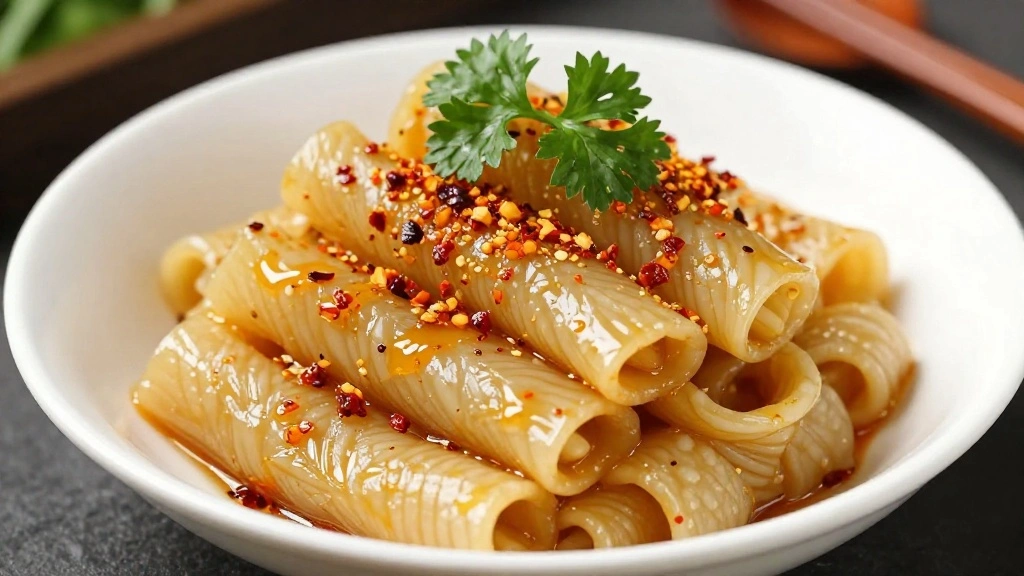
Transfer the noodles to a serving dish while hot.
Garnish with additional chili flakes or fresh herbs if preferred.
Serve immediately to enjoy the optimal flavor and texture.
Pair with a refreshing beverage to balance the spice.
Critical Timing and Temperature Guide
Garlic Sautéing: Cook garlic for 30 seconds to 1 minute until golden and fragrant. Avoid browning, as it can turn bitter.
Noodle Soaking: Soak noodles in warm water for 10 minutes. Over-soaking will result in mushy texture.
Stir-Frying: Maintain high heat throughout cooking. Stir constantly to prevent burning and ensure even cooking.
Pro Tips for Spicy Garlic Noodles
• Ingredient Selection: Choose fresh garlic and high-quality soy sauce for the best flavor impact.
• Preparation Secret: Briefly cooling noodles after soaking helps to prevent sticking during stir-fry.
• Temperature Management: Keep the wok hot throughout cooking to achieve the perfect char on ingredients.
• Texture Enhancement: Add bean sprouts last to maintain their crunch.
• Flavor Layering: Sauté garlic first to infuse the oil, then add vegetables and noodles sequentially.
• Make-Ahead Strategies: Prepare the sauce in advance and store it in the refrigerator for up to a week.
• Restaurant-Quality Finishing Touches: Garnish with fresh herbs like cilantro or green onions for a burst of freshness.
• Equipment Optimization: Use a heavy-bottomed wok or skillet to retain heat and distribute it evenly.
Troubleshooting Common Issues
• Flavor Too Mild: Ensure enough garlic and chili flakes are used. Adjust seasoning to taste.
• Noodles Clumping Together: Rinse noodles under cold water after soaking and toss with a little oil.
• Vegetables Too Soft: Stir-fry over high heat and add vegetables in stages to maintain texture.
• Overly Spicy: Balance with a splash of lime juice or a pinch of sugar.
• Garlic Burning: Lower heat before adding garlic and stir constantly to prevent burning.
• Uneven Cooking: Keep ingredients moving in the wok and avoid overcrowding.
Variations and Regional Differences
• Thai Style: Incorporates Thai basil and fish sauce for an aromatic twist, often served with lime wedges.
• Chinese Variation: Uses sesame oil and adds scallions for a rich, nutty flavor profile.
• Korean Version: Features gochujang (Korean chili paste) for a deeper, fermented heat.
• Vietnamese Influence: Includes lemongrass and mint, providing a fresh and fragrant note.
Food Science Behind the Recipe
• Maillard Reaction: High heat in stir-frying creates complex flavors through the Maillard reaction, enhancing the dish's depth.
• Emulsification: Combining soy sauce and oyster sauce creates an emulsion that evenly coats noodles, ensuring flavor distribution.
• Capsaicin Release: Chili flakes release capsaicin when heated, intensifying the dish's spiciness.
Frequently Asked Questions
What's the most common mistake people make when preparing Spicy Garlic Noodles? Not pre-soaking the noodles properly, leading to uneven cooking.
How can I adjust the spice level? Add or reduce chili flakes according to taste, or offer them as a garnish.
Can I use a different type of noodle? Yes, but cooking times may vary depending on the noodle type.
Is it possible to make this dish vegetarian? Absolutely, simply omit the oyster sauce or replace it with a vegetarian alternative.
What protein options work well with this dish? Chicken, shrimp, or tofu can be added for additional protein.
How can I prevent the noodles from sticking? Toss them with a bit of oil after draining and before adding to the wok.
Can I prepare this dish in advance? It's best served fresh, but components like the sauce can be prepped ahead.
Serving and Presentation Guide
• Traditional Presentation: Serve in a deep bowl with chopsticks and garnish with fresh herbs.
• Family Style: Present on a large platter for sharing, with additional chili flakes and lime wedges on the side.
• Modern Twist: Plate in a shallow dish, arranged in a nest with a poached egg on top for added richness.
• Street Food Style: Serve in eco-friendly takeout boxes with a pair of bamboo chopsticks for an authentic feel.
Conclusion
Spicy Garlic Noodles is a delightful dish that brings together bold flavors and simple preparation.
With this guide, you're ready to explore the vibrant world of Asian cuisine right from your kitchen.
Don't hesitate to share this dish with friends and family, as it's sure to become a favorite.