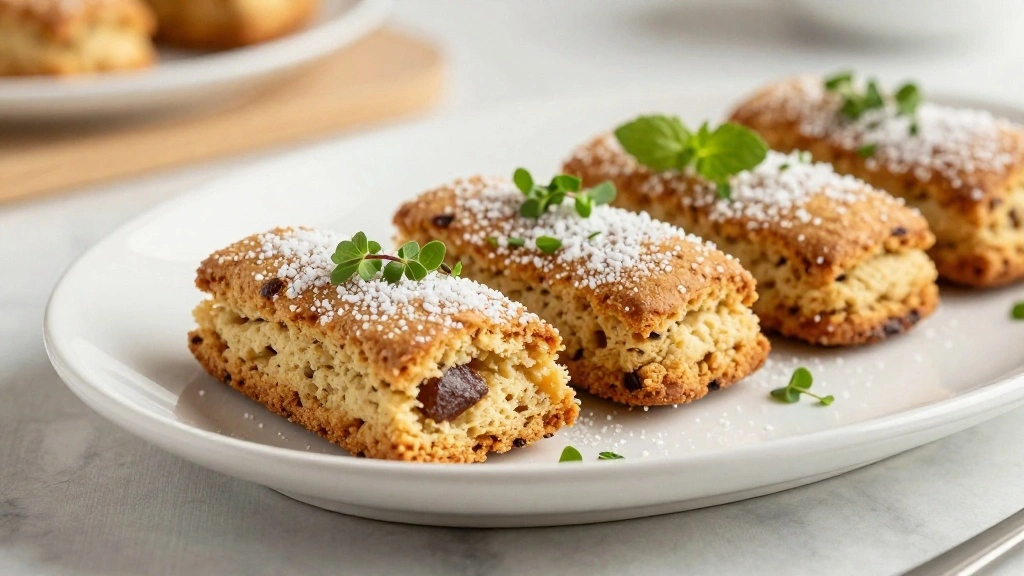
Monkey Bread is a delightful dessert that combines the softness of pull-apart bread with the sweet, sticky allure of cinnamon and sugar.
I first encountered this treat at a family gathering, where its warm, comforting aroma filled the air.
The flavor profile is rich and buttery, with a hint of spice that perfectly complements the sweetness.
It’s a dish that brings people together, making it a perfect choice for celebrations or casual get-togethers.
With the convenience of canned biscuits, this recipe simplifies the process, ensuring you can enjoy this classic treat with minimal effort.
The History and Cultural Significance
• The Easiest Monkey Bread traces its origins to Europe in the mid-20th century, where it was originally created by bakers experimenting with sweet breads.
• The dish evolved over decades as ready-made biscuit dough became available, eventually becoming the beloved version we know today.
• In American culture, this dish traditionally appears at holiday gatherings and brunches, symbolizing warmth and togetherness.
• While many variations exist across different regions, the authentic version maintains a sticky, gooey texture that sets it apart from imitations.
Recipe Overview
Nutritional Information (per serving)
Essential Equipment Guide
Bundt Pan: This specific tool is important for achieving authentic results as it helps form the iconic ring shape and allows for even baking. Alternatives include any tube pan or even a round cake pan with a small oven-safe dish in the center. Look for a non-stick coating to ensure easy release.
Mixing Bowl: A large mixing bowl is crucial for tossing the biscuit pieces with sugar and cinnamon. Alternatives might include a large ziplock bag for easy shaking. Ensure the bowl is large enough for even coating.
Oven Mitts: Essential for safely handling the hot bundt pan when removing it from the oven. Look for thick, heat-resistant mitts for the best protection.
Ingredients
For the Base
|
|
| Amount | Ingredient | Notes |
|---|---|---|
| 2 cans | refrigerated biscuit dough | cut into quarters |
| 1 cup | granulated sugar | for rolling |
| 2 teaspoons | ground cinnamon | adds warmth and spice |
For the Sauce
| Amount | Ingredient | Notes |
|---|---|---|
| 1 cup | brown sugar | provides caramel-like sweetness |
| 1/2 cup | unsalted butter | melted, adds richness |
Optional Toppings
| Amount | Ingredient | Notes |
|---|---|---|
| 1/2 cup | chopped pecans | adds crunch |
| 1/4 cup | raisins | for extra sweetness |
Preparation Methods
Coating the Dough: Tossing the dough pieces in a cinnamon-sugar mixture is crucial for achieving the sweet, spiced crust that characterizes monkey bread. Use a large bowl for even coating, and shake off excess sugar to prevent burning.
Layering in the Pan: Arranging the coated dough pieces evenly in the bundt pan is important for consistent texture and baking. Ensure each piece is slightly apart to allow for even rising and cooking.
Preparing the Sauce: Simmering butter and brown sugar creates a caramel-like sauce that infuses the bread with moisture and flavor. Be careful not to overcook, as it can harden upon cooling.
Step 1: Prepare the Dough
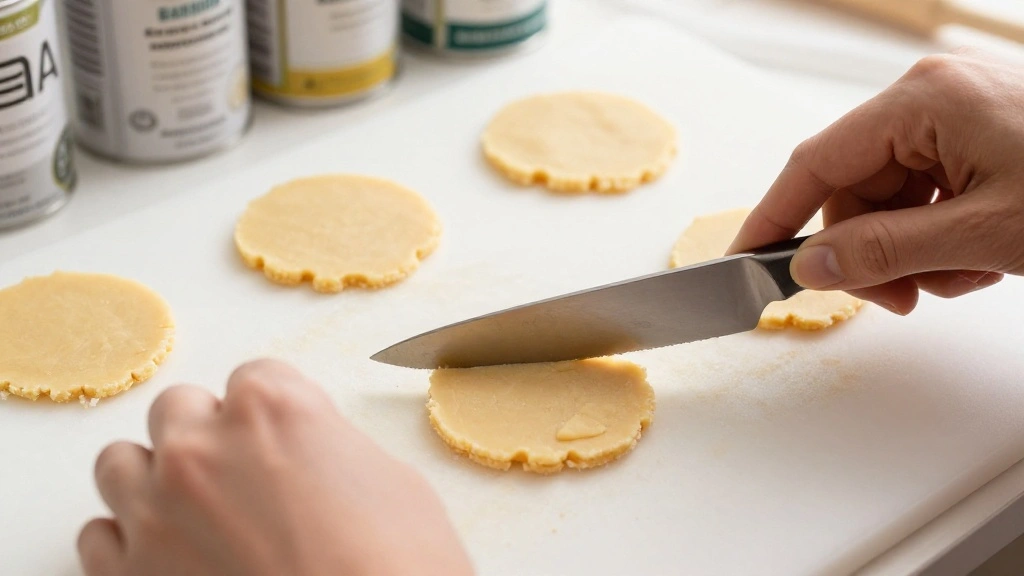
Open the cans of biscuit dough and separate each biscuit.
Cut each biscuit into quarters using a sharp knife.
Try to keep the pieces uniform in size for even cooking.
Set the cut pieces aside on a clean surface.
Step 2: Coat with Sugar and Cinnamon
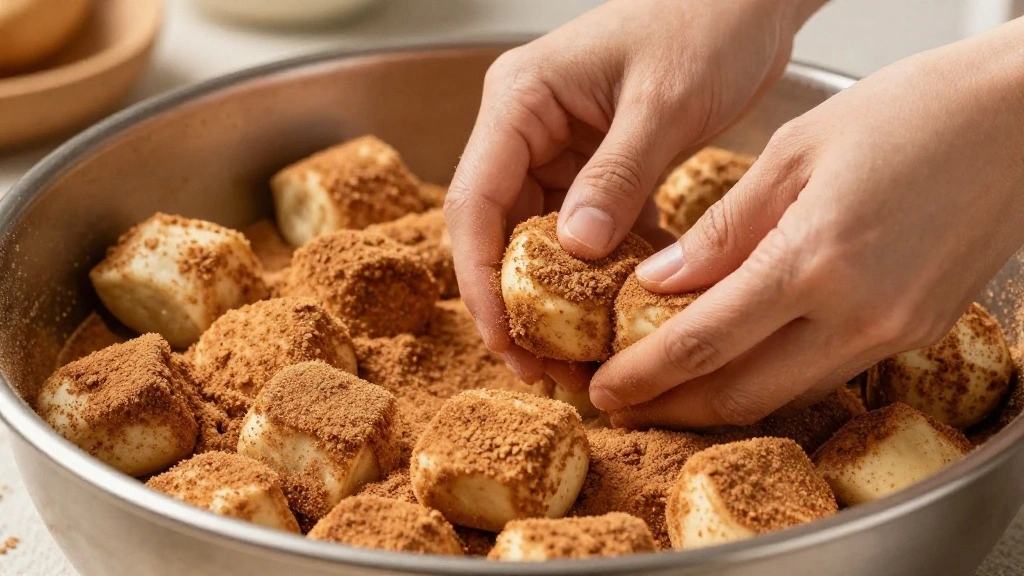
In a large mixing bowl, combine the granulated sugar and cinnamon.
Add the quartered dough pieces to the bowl and toss to coat evenly.
Ensure each piece is well covered in the cinnamon-sugar mixture.
Shake off the excess sugar before transferring.
Step 3: Layer in the Bundt Pan
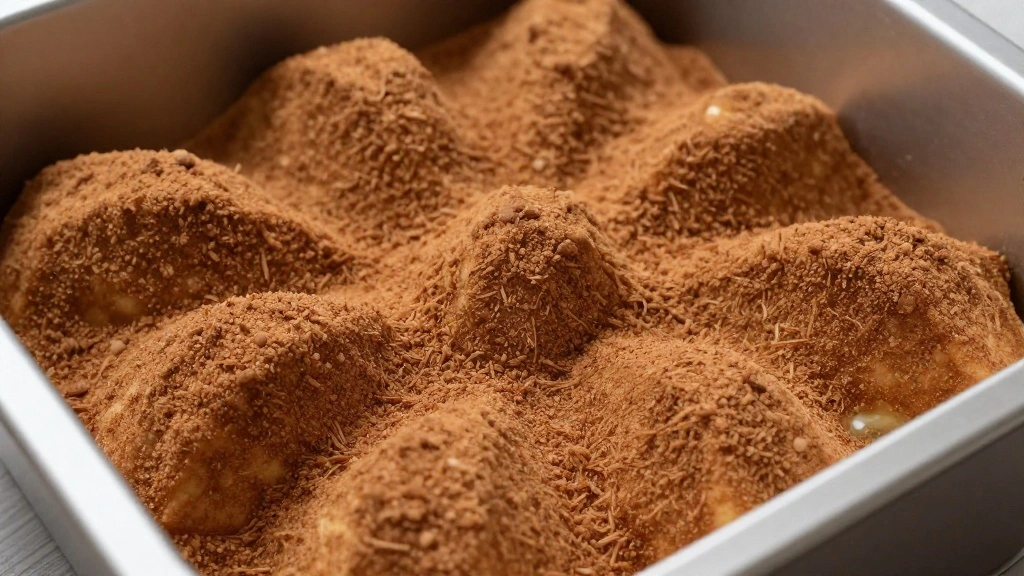
Grease a bundt pan thoroughly with butter or cooking spray.
Layer half of the coated dough pieces evenly in the pan.
Sprinkle optional toppings like pecans or raisins over the first layer.
Add the remaining dough pieces on top.
Step 4: Prepare the Sauce
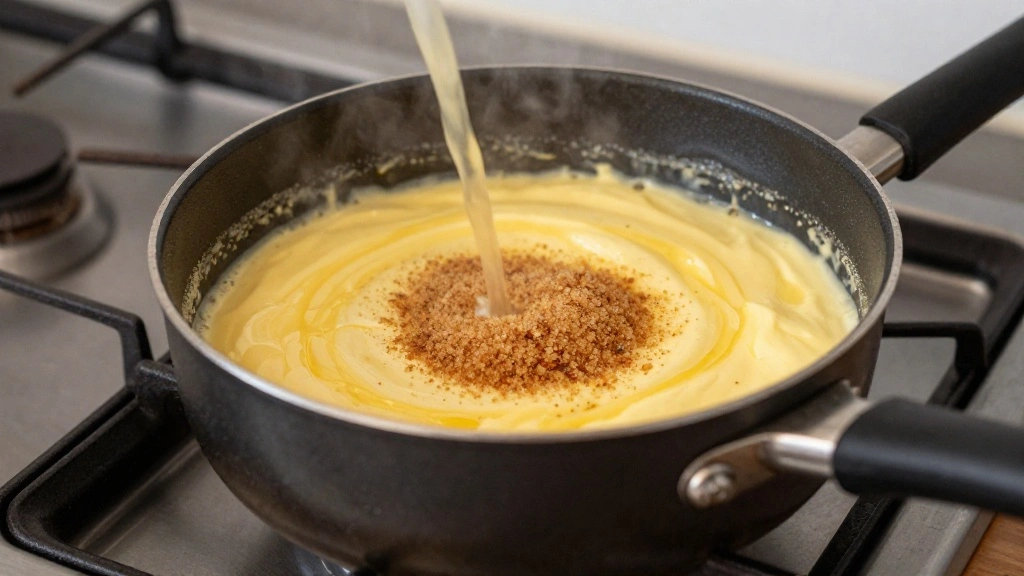
In a small saucepan, melt the unsalted butter over medium heat.
Stir in the brown sugar until fully dissolved.
Allow the mixture to simmer gently for 2-3 minutes.
Remove from heat and let it cool slightly.
Step 5: Pour the Sauce

Carefully pour the prepared sauce over the layered dough in the bundt pan.
Ensure the sauce is evenly distributed across the top.
Use a spatula to coax any remaining sauce from the pan.
Let it settle for a few minutes to soak into the dough.
Step 6: Bake the Monkey Bread
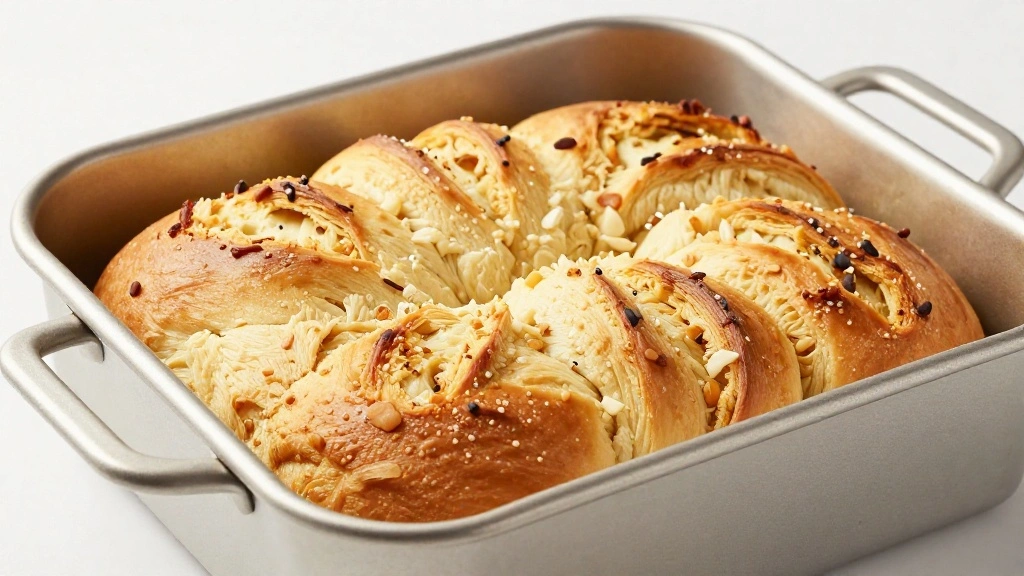
Preheat your oven to 350°F (175°C).
Place the bundt pan in the center of the oven.
Bake for 30 minutes or until the top is golden brown.
Check for doneness by inserting a toothpick into the center; it should come out clean.
Step 7: Cool and Invert
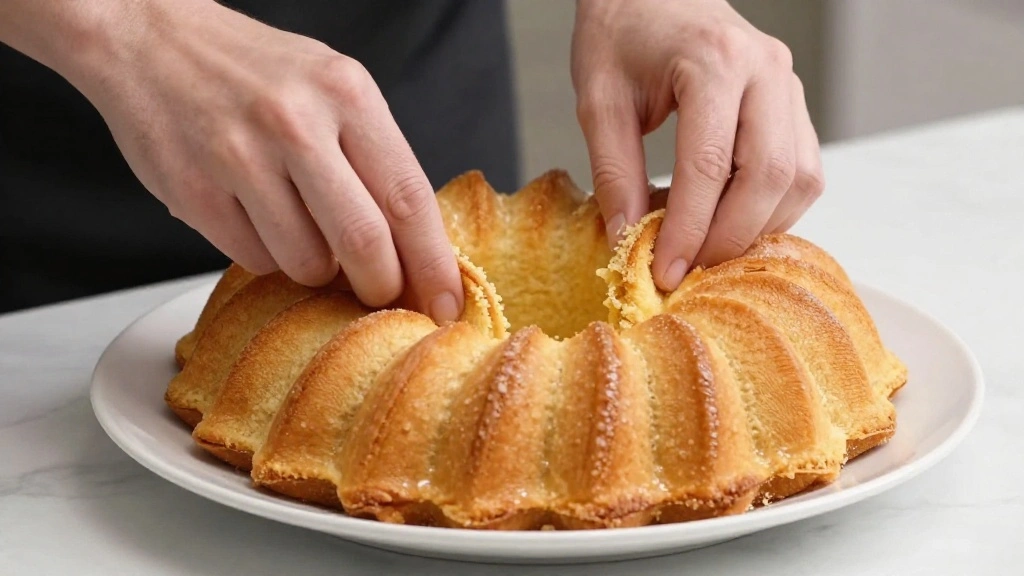
Allow the monkey bread to cool in the pan for 10 minutes.
Run a knife around the edges to ensure it doesn't stick.
Invert the pan onto a large plate or serving platter.
Gently lift the pan to release the monkey bread.
Step 8: Serve and Enjoy
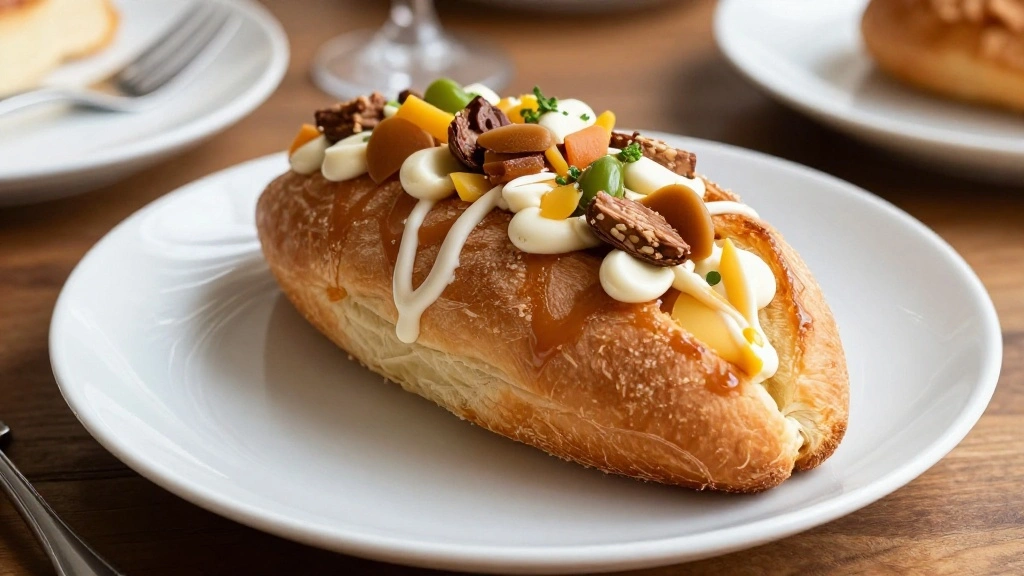
Serve the monkey bread warm, allowing guests to pull apart pieces.
Consider providing small plates and forks for convenience.
Optionally, drizzle with additional caramel sauce or glaze.
Enjoy this delightful treat with family and friends.
Critical Timing and Temperature Guide
Baking: Bake at 350°F (175°C) for exactly 30 minutes, ensuring the top is golden brown. Avoid opening the oven door too often to prevent uneven cooking.
Cooling: Let the bread cool for precisely 10 minutes before inverting. This prevents it from breaking apart while ensuring it releases easily from the pan.
Sauce Preparation: Simmer the sauce for 2-3 minutes only; overcooking can cause it to harden. Watch for a smooth, caramel-like consistency before removing from heat.
Pro Tips for The Easiest Monkey
• Ingredient Selection: Choose high-quality refrigerated biscuit dough for the best texture and flavor. The dough's tenderness significantly impacts the final product.
• Preparation Secret: Shake the dough pieces in a ziplock bag with cinnamon-sugar for a mess-free and even coating.
• Temperature Management: Ensure all ingredients are at room temperature before starting to ensure even baking and sauce consistency.
• Texture Enhancement: Use a bundt pan with a non-stick coating to achieve the ideal crusty exterior while maintaining a soft interior.
• Flavor Layering: Sprinkle a pinch of salt in the sauce to enhance and balance the sweetness.
• Make-Ahead Strategies: Prepare the dough pieces and coat them in advance, then store in the fridge until ready to bake.
• Restaurant-Quality Finishing Touches: Dust with powdered sugar before serving for an elegant presentation.
• Equipment Optimization: Preheat the bundt pan in the oven for a few minutes to help set the initial crust.
Troubleshooting Common Issues
• Texture Too Dense: This can occur if the dough pieces are packed too tightly. Ensure they are loosely layered to allow for proper rising.
• Flavors Unbalanced: If the bread tastes too sweet, reduce the amount of sugar in the coating and sauce. Consider adding a pinch of salt for balance.
• Burnt Edges: This may happen if the oven is too hot. Always bake at the recommended temperature and check for doneness starting at the minimum time.
• Sticky Release: If the bread sticks to the pan, make sure to grease the pan thoroughly before layering the dough. Running a knife around the edges before inverting can help.
• Sauce Too Hard: If the sauce hardens, it may have been overcooked. Only simmer until smooth and remove from heat promptly.
• Uneven Baking: Ensure the dough pieces are of uniform size and the pan is centered in the oven for even heat distribution.
Variations and Regional Differences
• Southern Style: This version often includes pecans and uses a cream cheese glaze for added richness and a tangy contrast to the sweetness.
• Holiday Variation: Incorporates dried cranberries and orange zest for a festive twist, often served at Thanksgiving and Christmas gatherings.
• Savory Twist: A less common variation includes herbs and cheese instead of sugar and cinnamon, turning it into a flavorful appetizer.
• Vegan Version: Uses vegan biscuit dough and substitutes coconut oil and almond milk for butter and cream in the sauce.
Food Science Behind the Recipe
• Maillard Reaction: This chemical reaction occurs when the sugar and protein in the dough are exposed to heat, creating the golden-brown crust.
• Sugar Caramelization: The process of browning sugar adds complex flavors to the sauce and enhances the overall taste profile.
• Gluten Development: Although minimal in this recipe, gluten gives structure to the dough, allowing it to rise and hold shape during baking.
Frequently Asked Questions
What's the most common mistake people make when preparing Monkey Bread? Overcrowding the pan with dough pieces can lead to dense, undercooked sections. Always ensure there is space for the dough to expand.
Can I make Monkey Bread ahead of time? Yes, you can prepare the dough and coat it in advance, but it's best baked fresh to retain its soft, pull-apart texture.
How do I store leftover Monkey Bread? Store in an airtight container at room temperature for up to two days, or refrigerate for longer shelf life.
Is it possible to freeze Monkey Bread? Yes, wrap it tightly in plastic wrap and foil before freezing. Thaw and reheat in the oven for best results.
Can I use homemade dough instead of canned biscuits? Absolutely, homemade dough can be used, though it may alter the texture slightly compared to canned dough.
Why is my sauce too runny? This might happen if the butter and sugar weren't simmered long enough. Ensure the sauce simmers to a caramel-like consistency.
What substitutions can I make for dietary restrictions? Use gluten-free biscuit dough or alternative sweeteners as needed. Vegan options are also available with plant-based substitutes.
Serving and Presentation Guide
• Traditional Presentation: Serve on a large, round platter with the bread in its classic ring shape, garnished with a dusting of powdered sugar.
• Festive Display: Arrange on a holiday-themed platter with decorative elements like holly leaves or cranberries.
• Individual Servings: Separate into individual portions and serve in small dessert bowls with a fork.
• Brunch Spread: Include as part of a larger spread with fresh fruit, yogurt, and coffee for a complete brunch experience.
Conclusion
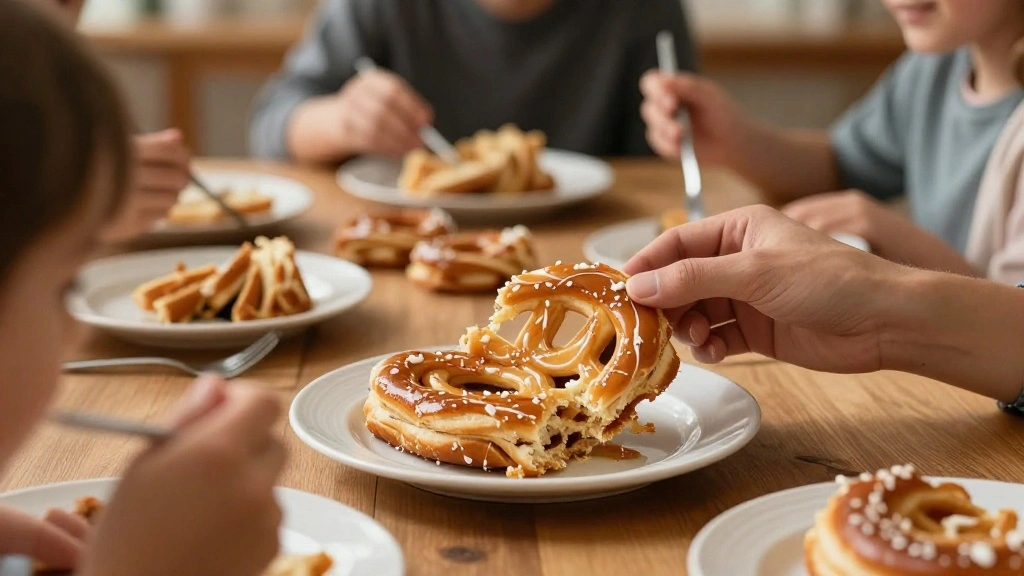
The Easiest Monkey Bread with Canned Biscuits is a delightful treat that's sure to be a hit at any gathering.
Its sweet, sticky texture and warm cinnamon flavor make it an irresistible choice for dessert or brunch.
With this simple recipe, you can enjoy the comfort of homemade monkey bread with minimal effort.
I encourage you to try this recipe and experience the joy of sharing this delicious dessert with friends and family.