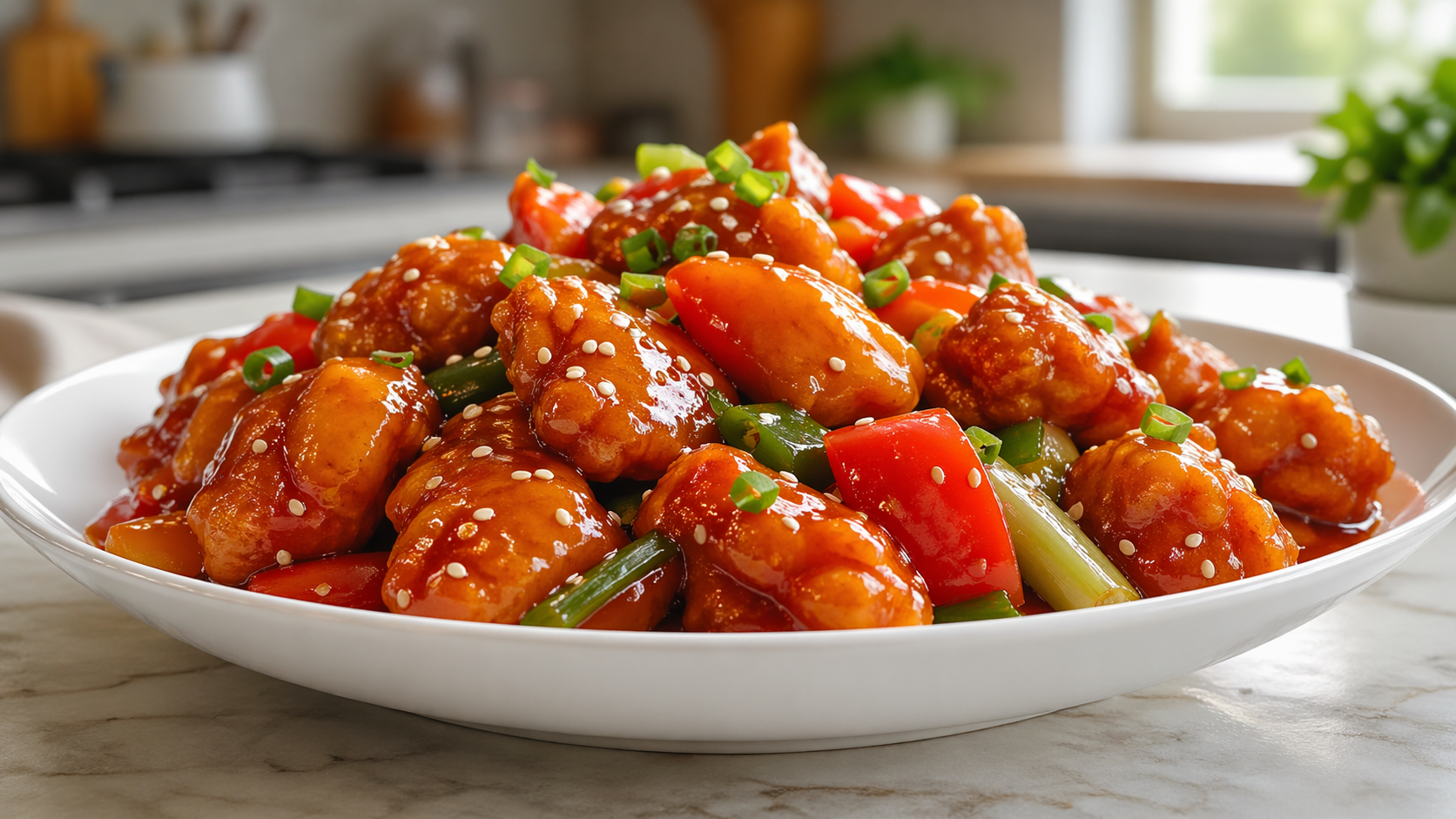
The harmonious balance of sweet and sour creates a memorable dining experience that will have everyone asking for your secret.
Whether you’re preparing a casual family dinner or hosting a special celebration, this Sweet and Sour Chicken Sauce delivers impressive results with straightforward preparation.
I first encountered this delightful sauce during a bustling family gathering, where its vibrant flavors brought the table to life.
Sweet and Sour Chicken is a versatile dish, perfect for any season, offering a comforting warmth in winter and a refreshing zest in summer.
Its tantalizing aroma and bold taste guarantee it will quickly become a favorite in your culinary repertoire.
The History and Cultural Significance
• Sweet and Sour traces its origins to ancient China, where it was originally created by chefs in the Tang Dynasty.
• The dish evolved over decades as it traveled through Southeast Asia, incorporating local ingredients like pineapple and peppers, eventually becoming the beloved version we know today.
• In Chinese culture, this dish traditionally appears at New Year celebrations, symbolizing harmony and balance.
• While many variations exist across different regions, the authentic version maintains a perfect balance of tangy and sweet flavors that sets it apart from imitations.
Recipe Overview
Nutritional Information (per serving)
Essential Equipment Guide
Wok: A wok is vital for achieving the high-heat stir-fry necessary for authentic sweet and sour chicken. Its shape ensures even heat distribution and quick cooking. If unavailable, a large frying pan can be used, but ensure it is heavy-bottomed for best results.
Whisk: A whisk is essential for creating a smooth, lump-free sauce. Look for a sturdy whisk with comfortable grip. Alternatives include a fork, but the sauce may require more effort to achieve the right consistency.
Kitchen Thermometer: This tool ensures your chicken is perfectly cooked without drying out. Look for a digital thermometer for quick readings. If not available, cut into the chicken to check for doneness, ensuring juices run clear.
Ingredients
For the Chicken
|
|
| Amount | Ingredient | Notes |
|---|---|---|
| 500 grams | chicken breast | cut into bite-sized pieces |
For the Sauce
| Amount | Ingredient | Notes |
|---|---|---|
| 1 cup | pineapple juice | provides sweetness |
| 1/2 cup | rice vinegar | adds tanginess |
| 1/4 cup | ketchup | for color and flavor |
Vegetables
| Amount | Ingredient | Notes |
|---|---|---|
| 1 medium | green bell pepper | chopped for crunch |
| 1 medium | red bell pepper | chopped for color |
Seasonings
| Amount | Ingredient | Notes |
|---|---|---|
| 2 tablespoons | soy sauce | enhances umami flavor |
| 1 tablespoon | cornstarch | thickens the sauce |
Preparation Methods
Velveting: Velveting is a Chinese technique that keeps meat tender and moist. Marinate the chicken in a mixture of cornstarch, soy sauce, and oil before cooking. This creates a protective layer that locks in moisture.
Stir-Frying: This quick-cooking method uses high heat and constant stirring. It is crucial for maintaining the vegetables' color and crunch. Ensure all ingredients are prepped and within reach before starting.
Simmering: After stir-frying, simmering the sauce allows the flavors to meld. Cook until the sauce thickens and coats the back of a spoon, stirring occasionally to prevent sticking.
Step 1: Prepare Ingredients
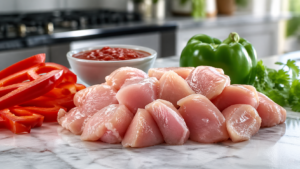
Gather all your ingredients and equipment.
Ensure the chicken is cut into even pieces for uniform cooking.
Chop the bell peppers into bite-sized pieces.
Measure out the sauce ingredients for easy access.
Step 2: Velvet the Chicken
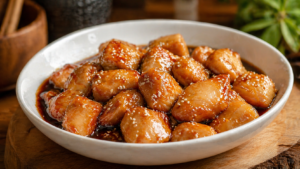
Combine chicken with soy sauce and cornstarch in a bowl.
Mix until chicken is evenly coated.
Let it marinate for at least 10 minutes.
This step ensures the chicken remains juicy during cooking.
Step 3: Heat the Wok
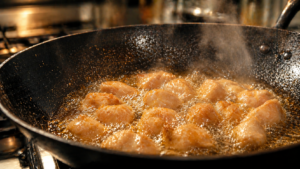
Place wok over high heat and add a tablespoon of oil.
Allow the oil to shimmer before adding chicken.
The high heat is crucial for proper stir-frying.
Ensure the wok is evenly heated for best results.
Step 4: Cook the Chicken
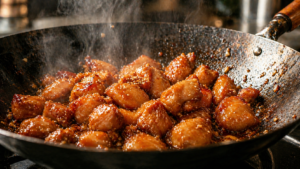
Add chicken to the hot wok in batches.
Stir-fry until golden brown and cooked through.
Remove chicken and set aside on a plate.
Avoid overcrowding to maintain the wok's temperature.
Step 5: Stir-Fry Vegetables
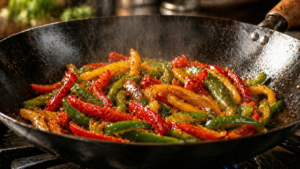
Add chopped bell peppers to the wok.
Stir-fry for 2-3 minutes until vibrant and slightly softened.
The high heat keeps the vegetables crisp.
Remove vegetables from wok and set aside.
Step 6: Prepare the Sauce
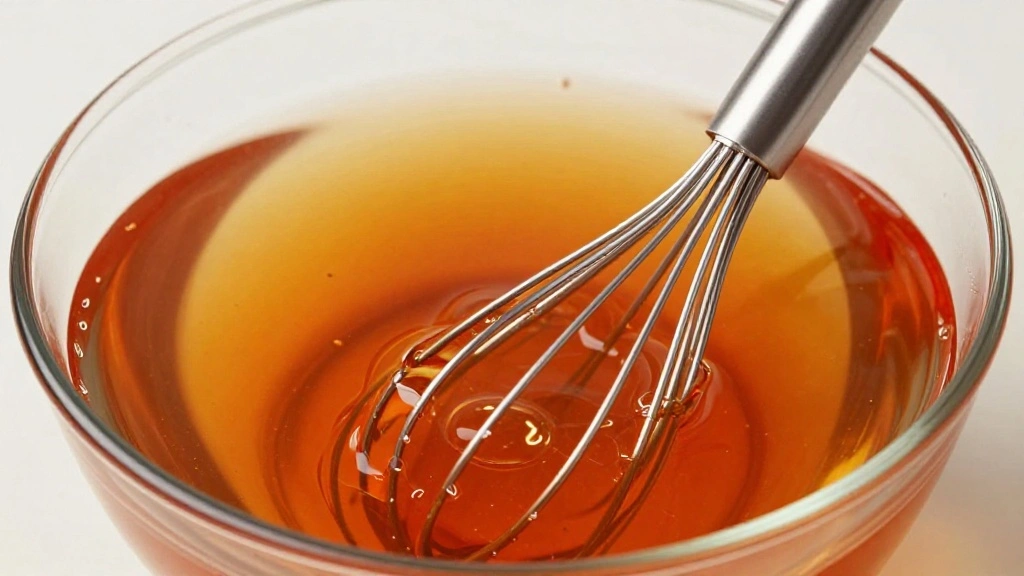
In a bowl, whisk together pineapple juice, rice vinegar, and ketchup.
Ensure the mixture is smooth and well combined.
Look for a consistent color throughout the sauce.
Add soy sauce and whisk again to incorporate.
Step 7: Thicken the Sauce
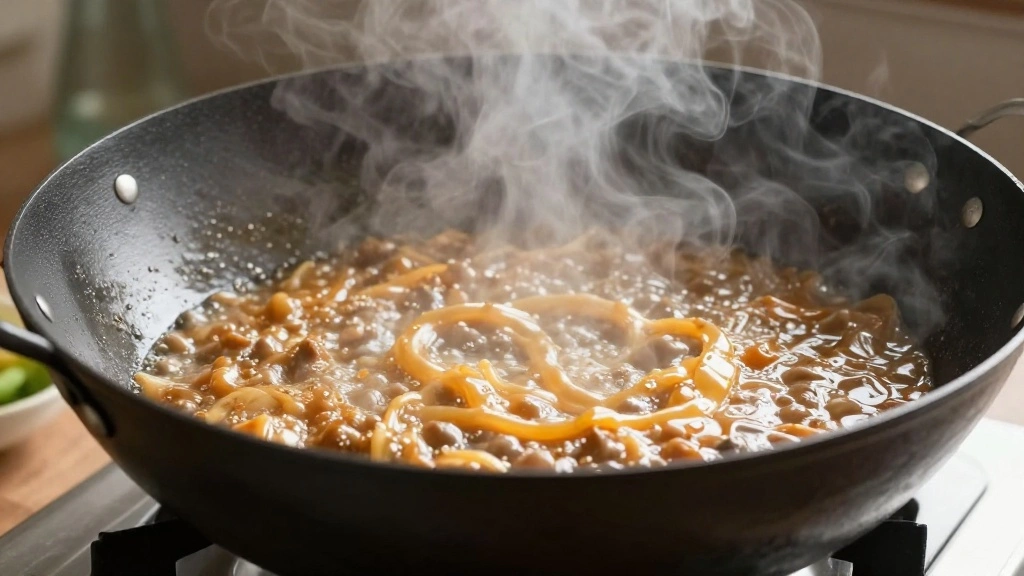
Pour the sauce into the wok over medium heat.
Bring to a gentle simmer.
Add the cornstarch slurry to thicken.
Stir constantly to prevent lumps.
Step 8: Combine and Serve
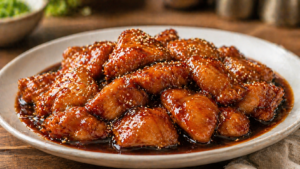
Return chicken and vegetables to the wok.
Toss to coat evenly with the sauce.
Cook for 2 more minutes to heat through.
Serve immediately with steamed rice for a complete meal.
Critical Timing and Temperature Guide
Velveting: Marinate chicken for at least 10 minutes at room temperature. Over-marinating can cause a mushy texture.
Stir-Frying: Use high heat for 5-7 minutes, stirring constantly. Vegetables should remain crisp-tender and not overcooked.
Simmering: Simmer sauce for 3-5 minutes until thickened. Avoid high heat to prevent sauce from burning.
Pro Tips for Sweet and Sour
• Ingredient Selection: Choose fresh, ripe pineapples and bell peppers for the best flavor and texture.
• Preparation Secret: Toast the cornstarch in a dry pan before using to enhance its thickening power.
• Temperature Management: Ensure the wok is adequately preheated before adding ingredients to maintain high heat.
• Texture Enhancement: Quick frying of vegetables preserves their crunch, crucial for texture contrast with the sauce.
• Flavor Layering: Add a dash of sesame oil at the end for an extra layer of aroma and richness.
• Make-Ahead Strategies: Prepare the sauce in advance and store in the fridge for up to 3 days to save time.
• Restaurant-Quality Finishing Touches: Garnish with thinly sliced green onions and sesame seeds for added visual appeal.
• Equipment Optimization: Use a gas stove for better heat control and distribution when stir-frying.
Troubleshooting Common Issues
• Texture Too Dense: Often caused by over-marinating the chicken. Recognize by chewy texture and adjust marinade time accordingly.
• Flavors Unbalanced: Check sauce ratios. Too much vinegar can overpower sweetness. Adjust and taste as you go.
• Sauce Too Thin: Ensure cornstarch is dissolved completely before adding. If too thin, simmer longer to reduce.
• Vegetables Overcooked: Stir-fry vegetables quickly and remove from heat as soon as they're tender-crisp.
• Chicken Dry: This results from overcooking. Use a thermometer to ensure internal temperature reaches just 165°F.
Variations and Regional Differences
• Cantonese Style: This version includes chunks of pineapple and cherry tomatoes, offering a sweeter profile.
• Thai Variation: Incorporates fish sauce and bird's eye chilies for a spicier, more pungent kick.
• Filipino Adobo: Uses vinegar and soy sauce base, reflecting the adobo style of cooking with a unique tang.
• American-Chinese Style: Often includes deep-fried battered chicken pieces for a crispy texture.
Food Science Behind the Recipe
• Maillard Reaction: This chemical reaction occurs during stir-frying, enhancing flavor and color through browning.
• Gelatinization: Cornstarch thickens the sauce by absorbing liquid and swelling, creating a glossy finish.
• Acid-Base Balance: The interplay of vinegar and sugar creates a balanced flavor profile, crucial for the dish's signature taste.
Frequently Asked Questions
What's the most common mistake people make when preparing Sweet and Sour Chicken? Overcooking the chicken, leading to a dry texture. It's important to monitor cooking time closely.
Can I use a different protein instead of chicken? Yes, pork or tofu can be used as alternatives, but cooking times will vary.
How do I store leftovers? Store in an airtight container in the refrigerator for up to 3 days. Reheat gently to avoid drying out the chicken.
Is it necessary to use a wok? While a wok is traditional, a large, heavy-bottomed pan can work if a wok isn't available.
Can I make this dish vegetarian? Absolutely, substitute chicken with tofu or tempeh and ensure the sauce ingredients are plant-based.
Why is my sauce not thickening? Ensure cornstarch is well-mixed before adding to the sauce, and simmer until desired thickness is reached.
What can I serve with Sweet and Sour Chicken? Traditionally served with steamed jasmine rice, but fried rice or noodles are also great options.
Serving and Presentation Guide
• Traditional Presentation: Serve over a bed of steamed jasmine rice, garnished with finely chopped scallions and a sprinkle of sesame seeds.
• Family Style: Serve in a large bowl for sharing, with separate bowls of rice and additional sauce on the side.
• Individual Plates: Arrange chicken and vegetables neatly beside a mound of rice, drizzled with extra sauce and garnished with fresh herbs.
• Modern Fusion: Present in a shallow bowl with rice on the side, incorporating microgreens for a contemporary touch.
Conclusion
This Easy Sweet and Sour Chicken Sauce Recipe offers a delightful burst of flavors that will surely captivate your taste buds.
Its straightforward preparation and impressive outcome make it a must-try for any home cook.
Embrace the balance of sweet and tangy, and bring a touch of culinary tradition to your table.