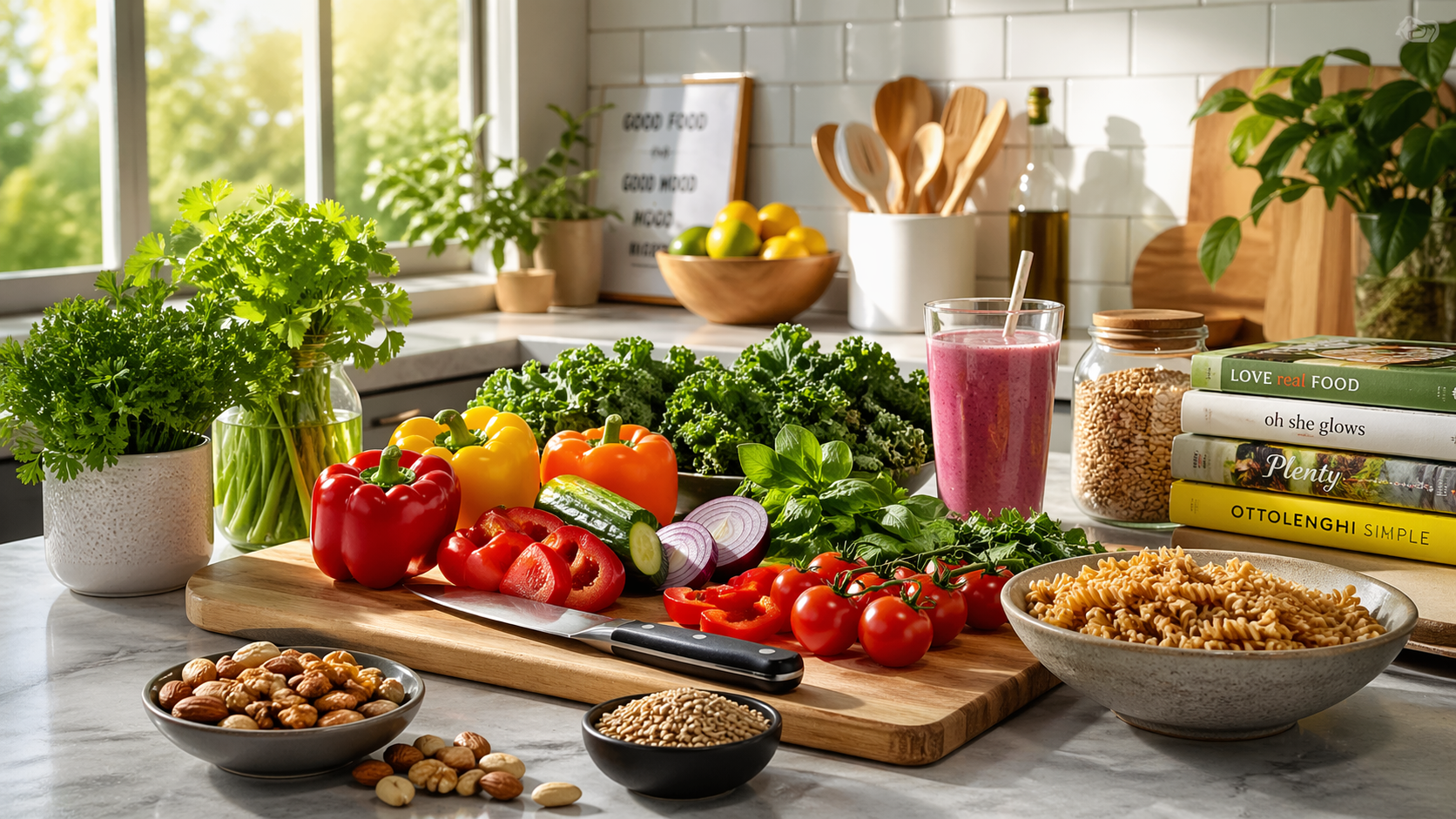
Eating healthy can feel like a daunting task, especially if you’re living with diabetes. I created this guide because I know how challenging it can be to figure out what to eat while managing your blood sugar levels. Many people feel overwhelmed by conflicting information and complicated meal plans. That’s why I wanted to break things down into simple, actionable tips that make healthy eating for diabetics accessible and enjoyable.
If you’re someone who cares about balancing your health with delicious food, this guide is for you. Whether you’re newly diagnosed, looking to change your eating habits, or just seeking support, you’ll find valuable insights here. You can take control of your health while still enjoying your meals. I’ve gathered ten essential tips that are practical, easy to follow, and perfect for anyone wanting to create a balanced approach to eating.
Throughout this guide, you’ll learn how to master portion control, embrace whole foods, incorporate healthy fats, and much more. Each section offers practical advice to help you navigate your meals with confidence. By the end, you’ll have the tools you need to transform your eating habits and improve your health without sacrificing flavor.
Key Takeaways
– Mastering Portion Control: Learn how to measure serving sizes to maintain balanced blood sugar levels, allowing you to enjoy your favorite foods without worry.
– Embracing Whole Foods: Discover the benefits of whole, unprocessed foods that provide essential nutrients while helping you manage your diabetes effectively.
– Incorporating Healthy Fats: Understand the role of healthy fats in your diet and how they can help keep you satisfied and support heart health.
– Planning Balanced Meals: Get practical tips for meal planning that includes all food groups, ensuring each meal is nutritionally sound and tailored to your needs.
– Cooking Methods That Keep It Healthy: Explore cooking techniques that preserve nutrients and flavor while reducing unhealthy fats and sugars, making your meals both delicious and diabetic-friendly.
Contents
- 1. Mastering Portion Control
- 2. Embracing Whole Foods
- 3. Incorporating Healthy Fats
- 4. Understanding Food Labels
- 5. Planning Balanced Meals
- 6. Staying Hydrated with Healthy Drinks
- 7. Cooking Methods That Keep It Healthy
- 8. Snacking Smart
- 9. Getting Creative with Spices
- 10. Listening to Your Body
1. Mastering Portion Control

Are you struggling to keep your portions in check? Learning to master portion control can help you enjoy your meals while managing your blood sugar. By simply adjusting your serving sizes, you can make a significant impact on your health and well-being.
Here are some practical tips for portion control:
– Use smaller plates and bowls to create the illusion of a fuller plate.
– Familiarize yourself with appropriate serving sizes; a serving of protein should be about the size of your palm.
– Divide your plate into sections: half for vegetables, a quarter for grains, and a quarter for protein.
Tracking your food intake can provide insight into your eating habits, helping you make mindful choices. Remember, it’s about quality over quantity! Start small and gradually build healthier habits for lasting success.
Fun fact: switching to smaller plates and bowls can trim as much as 20-30% of your portion sizes without you feeling deprived. For healthy eating for diabetics, that small change helps steady blood sugar while keeping meals satisfying.
2. Embracing Whole Foods
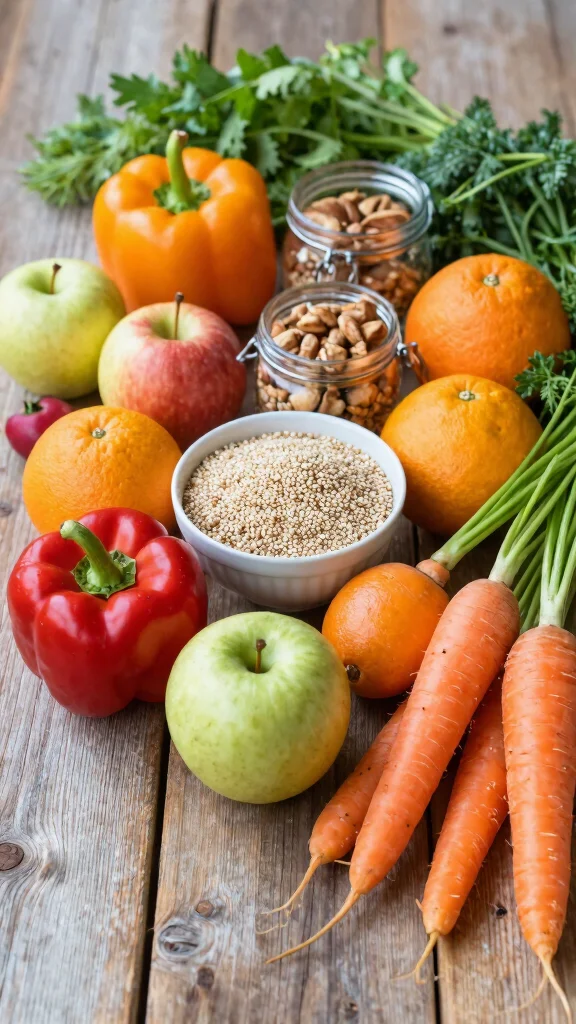
Craving something fresh and nutritious? Whole foods are your best friends on the journey to healthy eating, especially for diabetics. They are unprocessed and packed with essential nutrients, making them perfect for blood sugar control.
Incorporating whole foods into your diet can be fun and delicious:
– Start your day with oatmeal topped with berries and a sprinkle of cinnamon.
– Snack on raw veggies with hummus or grab a handful of nuts.
– Try whole grains like quinoa or brown rice for a healthier alternative to white rice.
Prioritizing these nutrient-dense options will keep your blood sugar stable while providing the vitamins your body craves. Plus, you’ll feel energized and satisfied throughout the day!
3. Incorporating Healthy Fats
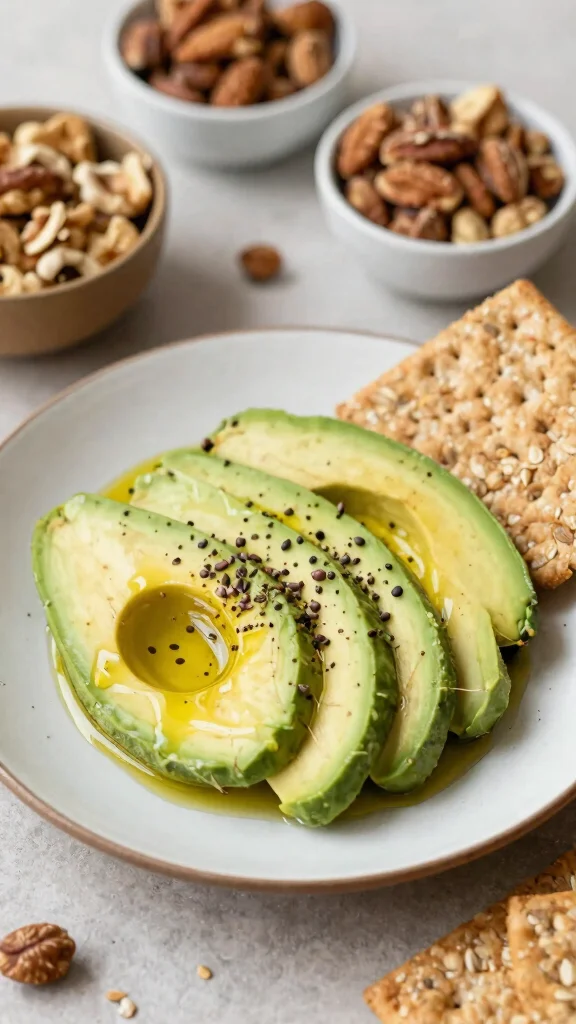
Looking to enhance your meals? Healthy fats are essential for a balanced diet and can be particularly beneficial for managing diabetes. Including good fats in your meals can support heart health and stabilize blood sugar levels.
Focus on these sources of healthy fats:
– Avocados are creamy and rich in fiber; add them to salads or sandwiches.
– Nuts and seeds, like almonds and chia seeds, provide crunch and flavor.
– Olive oil is great for cooking or drizzling over salads, offering heart-healthy monounsaturated fats.
Remember, moderation is key! Adding small amounts of these fats can make your meals satisfying and flavorful without the added calories.
4. Understanding Food Labels
Feeling overwhelmed by food labels? Learning to navigate them is crucial for healthy eating, especially for those managing diabetes. Understanding what’s in your food empowers you to make informed choices.
Keep these key aspects in mind when reading labels:
– Serving Size: This indicates how much food is considered one serving and is vital for portion control.
– Total Carbohydrates: Check the carbohydrate count, as this directly affects blood sugar levels.
– Added Sugars: Be cautious of high amounts of added sugars, which can lead to blood sugar spikes.
Using these insights will help you choose healthier options and avoid hidden sugars. With practice, reading labels will become second nature, making grocery shopping easier and more effective.
Fun fact: Serving sizes on labels are easy to miss, but they dictate your actual carb intake. Reading Total Carbohydrates and Added Sugars helps you master healthy eating for diabetics. Small checks, big differences in blood sugar.
5. Planning Balanced Meals
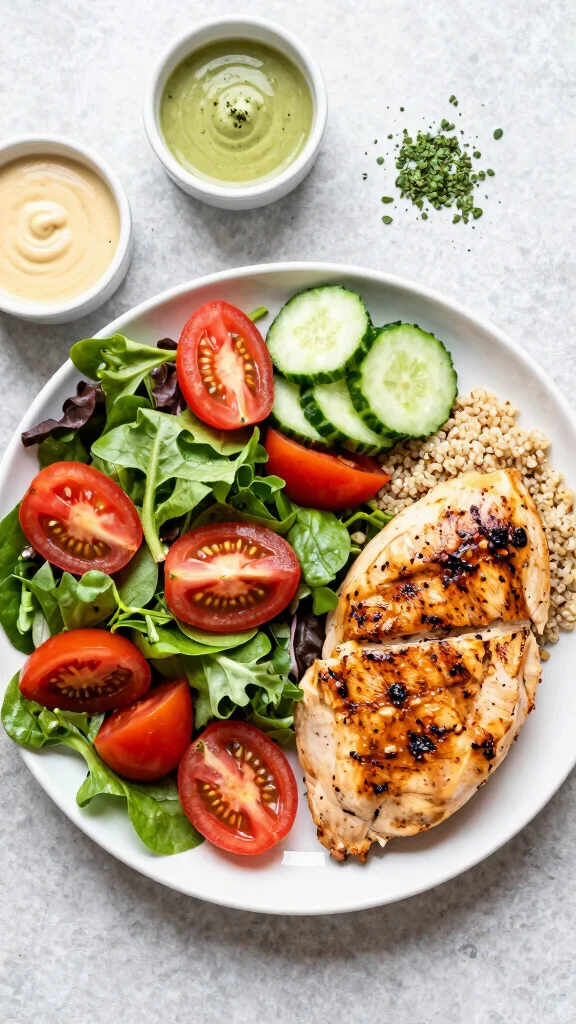
Are you ready to create meals that nourish and satisfy? Planning balanced meals is essential for healthy eating, particularly for diabetics. A well-rounded plate can help manage blood sugar and keep hunger at bay.
Here’s how to build meals that hit all the right notes:
– Always include a lean protein source, like chicken, fish, or legumes.
– Add plenty of non-starchy vegetables such as broccoli, spinach, or bell peppers for fiber and nutrients.
– Incorporate whole grains or starchy vegetables in moderation to provide energy.
Consider meal prepping to simplify your week. Cook larger batches of proteins and grains, then mix and match for easy lunches or dinners. This way, you’ll always have healthy options ready to go, making your eating journey smoother and more enjoyable!
6. Staying Hydrated with Healthy Drinks

Are you getting enough hydration? Staying hydrated is vital for everyone, especially for diabetics. Choosing the right beverages can have a big impact on your blood sugar levels.
Here are some refreshing and healthy drink options:
– Water: It’s the best choice! Add lemon or berries for a hint of natural sweetness.
– Herbal Teas: Chamomile or peppermint offer soothing flavors without caffeine or calories.
– Low-Sugar Smoothies: Blend spinach, unsweetened almond milk, and a piece of fruit for a nutrient-packed treat!
Avoid sugary drinks like sodas or sweetened coffees, as they can lead to blood sugar spikes. Keeping a refillable water bottle handy can help you stay on track all day long!
7. Cooking Methods That Keep It Healthy

Wondering how to make your meals healthier? The way you cook can greatly affect the health benefits of your food. Opting for healthier cooking methods enhances your meals without adding extra calories or unhealthy fats.
Consider these cooking methods:
– Grilling or Baking: These techniques create flavorful, crispy textures without excessive oil.
– Steaming: This method retains nutrients in vegetables, making them more beneficial. Try steaming broccoli or carrots for a quick side!
– Sautéing: Use a small amount of healthy oil and plenty of herbs for flavor without the calories.
Experiment with these methods to discover how they can elevate your meals and keep your eating habits enjoyable and healthy!
8. Snacking Smart
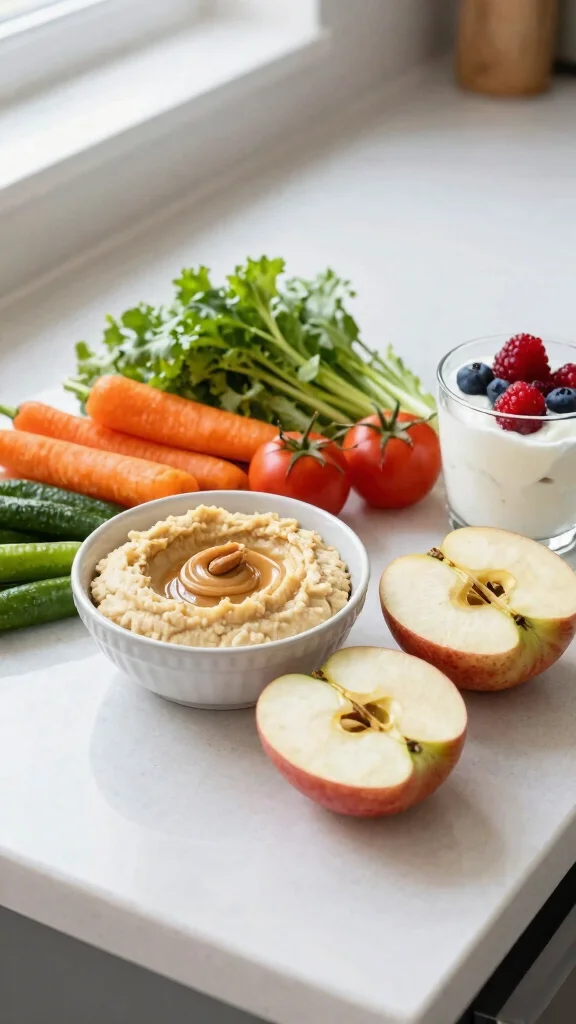
Are you looking for healthy snack ideas? Snacking can be a delicious part of your day, but choosing the right snacks is essential for effective diabetes management. Here are some smart snacking ideas:
– Veggies and Hummus: Crunchy carrots or cucumber slices paired with creamy hummus make for a satisfying snack.
– Greek Yogurt: Packed with protein, yogurt can be topped with nuts or berries for extra flair.
– Nut Butter and Apple Slices: The mix of healthy fats, fiber, and sweetness is perfect for maintaining energy.
Creating a list of your go-to snacks can help you resist temptation. Keep these nutritious options on hand to maintain energy levels and stable blood sugar throughout the day!
9. Getting Creative with Spices

Ever thought about using spices for health benefits? Spices do more than just add flavor; they can boost your health too! For those with diabetes, experimenting with spices can elevate your meals while providing added benefits.
Here are a few spices to consider:
– Cinnamon: This spice helps regulate blood sugar and is great in oatmeal or sprinkled over fruits.
– Turmeric: A vibrant yellow spice with anti-inflammatory properties, perfect for rice or stir-fries.
– Ginger: Fresh ginger adds a refreshing zing to smoothies or teas and supports digestion.
Embrace the world of spices in your cooking to make each meal exciting while reaping their health benefits!
How To Choose Healthy Foods as a Diabetic
Tools You’ll Need:
– A food diary or app
– Measuring cups and spoons
– A kitchen scale
– Nutrition labels (packaged foods)
– A list of healthy food options
Step 1: Understand Your Nutritional Needs
Before you start selecting foods, know your specific dietary needs. Consult a healthcare provider or a nutritionist to determine your ideal carbohydrate intake, protein, and fat levels. Each diabetic may have different needs, so this step is essential to tailor your eating plan.
✔ Write down your daily carbohydrate limits.
✔ Identify your favorite healthy foods to include in your diet.
Step 2: Master Portion Control
Portion sizes matter, especially for managing blood sugar levels. Use measuring cups and a kitchen scale to get a sense of portion control. A standard serving of carbohydrates is typically 15 grams, so familiarize yourself with what that looks like in various foods. This helps prevent overeating and keeps blood sugar levels stable.
✔ Use your hand as a guide—1 serving of carbs is about the size of your fist.
✔ Always double-check labels for serving sizes when eating packaged foods.
Step 3: Choose Whole Foods Over Processed Foods
Whole foods are closer to their natural state and usually contain more nutrients. Focus on fruits, vegetables, whole grains, lean proteins, and healthy fats. These options not only provide necessary vitamins but also help in keeping blood sugar levels balanced.
✔ Fill half your plate with vegetables, one-quarter with lean protein, and one-quarter with whole grains.
✔ Opt for brown rice, quinoa, and whole-wheat bread instead of white rice and white bread.
Step 4: Read Food Labels Carefully
Understanding food labels is crucial when making healthy choices. Look for total carbohydrates, fiber, sugar content, and serving sizes. Foods high in fiber can help manage blood sugar levels, while those high in added sugars should generally be avoided.
✔ Aim for foods with at least 3 grams of fiber per serving.
✔ Limit added sugars to less than 10% of your daily calorie intake.
Step 5: Stay Hydrated with Healthy Drinks
Drink plenty of water as it helps maintain overall health and can also aid in blood sugar control. Limit sugary drinks like soda and juices, as they can spike blood sugar levels. Unsweetened beverages, herbal teas, or flavored water can be good alternatives.
✔ Aim for at least 8 cups (64 ounces) of water daily, adjusting based on activity level.
✔ Infuse water with fruits like lemon, cucumber, or mint for flavor without adding sugar.
Step 6: Plan Balanced Meals
Planning helps you make better food choices throughout the week. Prepare a weekly menu that includes a variety of healthy foods and keep snacks handy. This keeps you from reaching for unhealthy options when you’re hungry.
✔ Use a meal prep service or apps for inspiration if you’re short on ideas.
✔ Keep healthy snacks, like nuts or fruits, easily accessible to curb hunger without spiking blood sugar.
Pro Tip: Start a food diary to track what you eat. This helps you identify patterns in your eating habits and make adjustments as needed for better health.
By following these steps, you can make informed choices that support your health as a diabetic. Remember, every small change can lead to significant improvements in your overall well-being!
10. Listening to Your Body

Are you in tune with your body’s needs? One of the most important aspects of managing diabetes is learning to listen to your body. Understanding your hunger cues and how foods affect your blood sugar can lead to a more intuitive eating experience.
Here are some helpful tips:
– Keep a food journal to track what you eat and how it affects your energy and mood. Over time, you’ll notice patterns that can guide your choices.
– Pay attention to fullness cues; eat when you’re hungry and stop when satisfied.
– Adjust your meals based on how you feel that day; flexibility is key for a healthy relationship with food.
By listening closely, you’ll discover that your body holds the answers to its needs!
Listening to your body isn’t a gimmick—it’s your built-in meter. When you notice hunger and fullness, you choose foods that fuel without overshoot. Tiny, consistent wins add up to healthy eating for diabetics.
Conclusion

Transforming your health through healthy eating is a rewarding journey, particularly for those managing diabetes. By embracing these ten strategies, you set yourself up for success while enjoying a colorful and flavorful diet. Remember, it’s all about balance, understanding, and listening to your body’s needs.
Feel empowered to make these changes and take control of your health, one delicious meal at a time!
Frequently Asked Questions
Question: What is the foundation of healthy eating for diabetics and how can beginners start?
Healthy eating for diabetics is about steady energy and steady blood sugar. Start with the plate method: fill half your plate with non-starchy vegetables, a quarter with lean protein, and a quarter with whole grains or starchy vegetables. Choose high-fiber carbs like beans, oats, quinoa, and add healthy fats such as olive oil, avocado, or nuts. Eat at regular times and avoid long gaps between meals to prevent blood sugar spikes. Stay hydrated and aim for regular activity to support your plan. Track how meals affect your blood sugar to learn what works for you. Practical steps for beginners: write a simple weekly meal plan, keep a short grocery list focused on whole foods, batch-cook basic staples, and have ready-to-eat snacks on hand. By focusing on healthy eating for diabetics, you’ll support blood sugar control and your overall wellbeing.
Question: Which foods should diabetics prioritize for better blood sugar control?
To support blood sugar control and healthy eating for diabetics, start with fiber-rich, minimally processed carbs: vegetables, legumes, berries, and whole grains (like oats, brown rice, quinoa); lean proteins (chicken, fish, tofu); and healthy fats (olive oil, nuts). Include dairy or fortified alternatives if tolerated. Pair carbs with protein or fat to slow glucose rise. Limit sugar-sweetened drinks, refined grains, and ultra-processed snacks. Plan meals around regular timing and portion sizes to avoid spikes. Keep an eye on labels for added sugars and total carbs. Making these choices part of daily life supports diet tips and blood sugar control.
Question: How can I plan meals and groceries without feeling overwhelmed?
Start with a simple weekly plan: pick 3–4 wholesome breakfasts and lunch/dinner options, then mix and match fiber-rich sides. Create a grocery list organized by store sections to speed shopping. Read labels to choose foods with more fiber and less added sugar. Batch cook basic staples like beans, quinoa, roasted veggies, and grilled chicken so you have easy-to-assemble meals. Use appropriate portions to keep carbs in check and remember to stay hydrated and include variety. This practical approach helps with healthy eating for diabetics and blood sugar control without stress.
Question: How do I read nutrition labels to support blood sugar control and healthy eating for diabetics?
Start with serving size and total carbs per serving. Look at dietary fiber, total sugars, and added sugars. Choose foods with higher fiber and lower net carbs. Check the ingredient list for whole foods and minimal processing. Prefer foods with minimal added sugars and be mindful of sugar alcohols if they impact you. Consider the potential impact on glycemic load when planning meals. This label-reading habit is a core diet tips for healthy eating for diabetics and helps with blood sugar control.
Question: What are quick, tasty snacks or meals that keep energy steady throughout the day?
Try combos like apple slices with almond butter, plain Greek yogurt with berries, sliced veggies with hummus, a handful of nuts with cheese, or whole-grain crackers with tuna salad. For meals, aim for a balanced plate with non-starchy veggies, lean protein, and a whole grain. Batch-cook staples on Sundays so you can assemble meals in minutes during busy days. These practical options support healthy eating for diabetics and steady blood sugar control without sacrificing flavor.
Related Topics
healthy eating for diabetics
blood sugar control
diet tips
meal planning
beginner friendly
low glycemic index
sugar substitutes
nutrient dense
easy recipes
portion control
healthy snacks
food choices