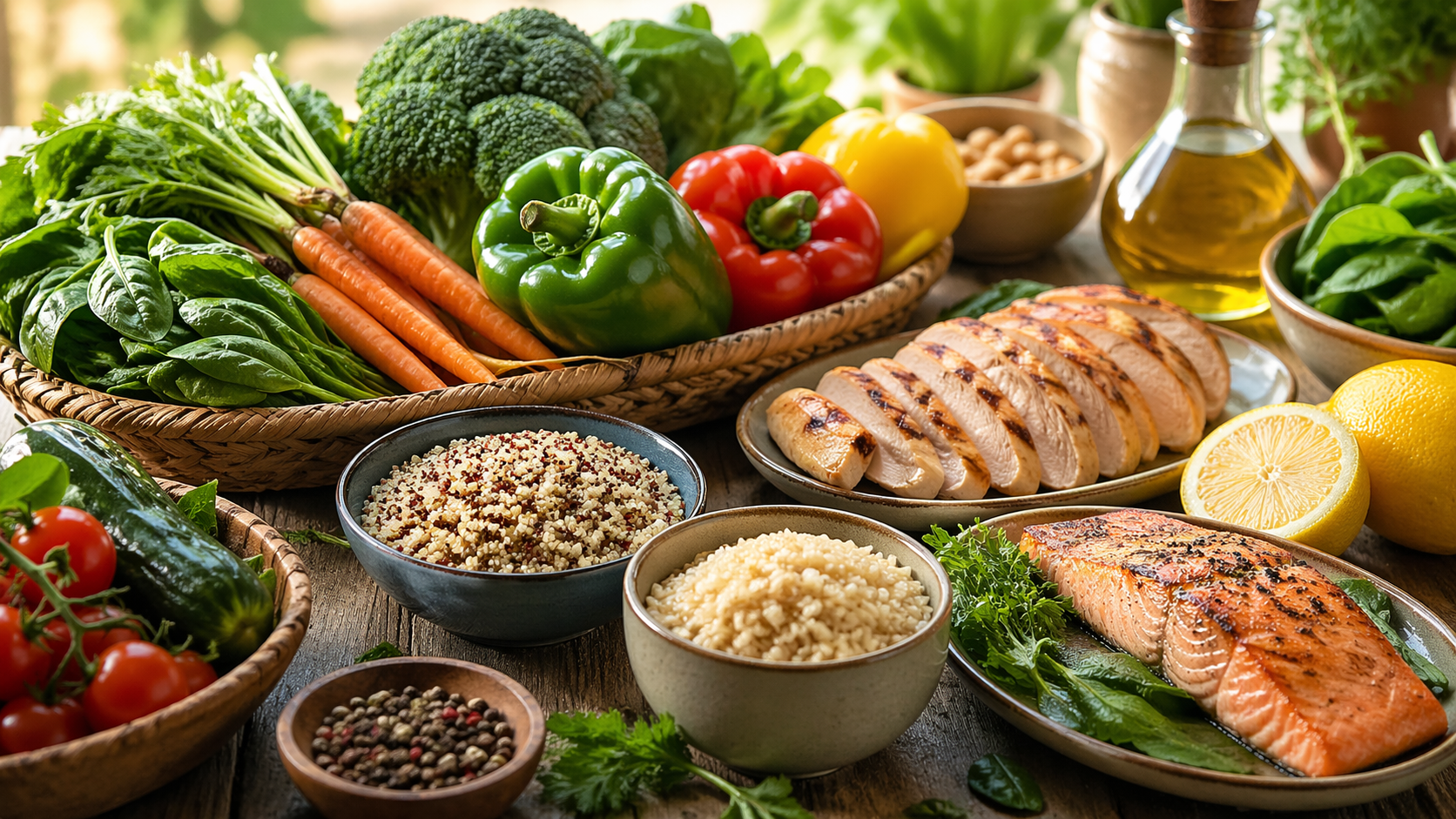
Creating a healthy eating plan for diabetes can feel overwhelming. You might find yourself constantly asking, “What can I eat?” or “Which foods should I avoid?” I made this post because so many people are looking for straightforward answers to these questions. Healthy eating doesn’t have to be complicated, especially when you’re managing diabetes. This guide simplifies your food choices to make them easier and enjoyable.
If you’re someone living with diabetes, or just want to learn how to eat better for your health, this one’s for you. You likely care about maintaining stable blood sugar levels, feeling good, and enjoying your meals. This guide presents practical tips and delicious options that encourage balanced eating without sacrificing taste. Think of it as your roadmap to exploring healthy, satisfying meals and snacks that fit your lifestyle.
By the end of this guide, you’ll have a solid understanding of which foods to embrace and which ones to limit. I pulled together essential insights about various food groups, including vegetables, grains, proteins, and fats. You’ll also discover handy meal prep ideas and simple practices that make healthy eating feel less like a chore and more like a lifestyle. Let’s dive into this journey of healthy eating, so you can enjoy better diabetes management while savoring every bite!
Key Takeaways
– Understanding your food choices is crucial for effective diabetes management. This guide breaks down what to eat and avoid for better health.
– Embrace non-starchy vegetables as a staple in your diet. They are low in calories and high in nutrients, helping you feel full and satisfied.
– Choosing whole grains wisely can provide lasting energy. They help keep your blood sugar stable compared to refined grains.
– Including lean proteins in your meals can boost fullness and support muscle health. Options like chicken, fish, and legumes are excellent choices.
– Mindful eating practices and meal prep strategies make healthy eating easier and more enjoyable, ensuring you stay on track with your goals.
Contents
- 1. Embrace Non-Starchy Vegetables
- 2. Choose Whole Grains Wisely
- 3. Include Lean Proteins
- 4. Get Creative with Healthy Fats
- 5. Limit Added Sugars
- 6. Balance Your Plate
- 7. Stay Hydrated with Water
- 8. Mindful Eating Practices
- 9. Indulge in Dark Chocolate
- 10. Meal Prep for Success
1. Embrace Non-Starchy Vegetables
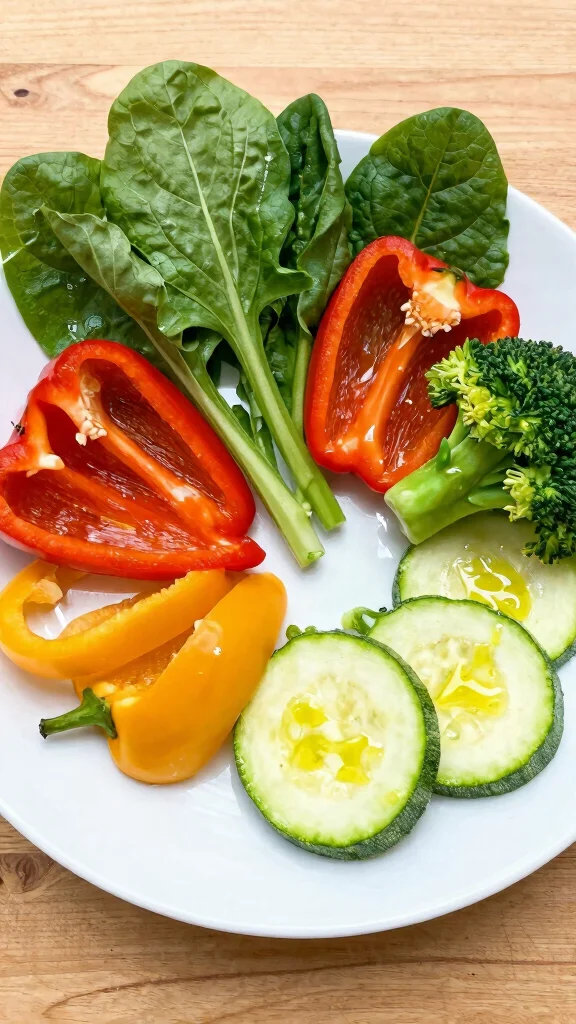
Looking to boost your meals while keeping blood sugar in check? Non-starchy vegetables are your best friends! Bursting with flavor and color, these veggies like kale, bell peppers, and cauliflower are low in calories and carbohydrates, making them perfect for a diabetes-friendly diet.
These nutritional powerhouses are rich in vitamins and minerals, promoting overall health. Aim to fill half your plate with them, enjoying them raw, steamed, or roasted to bring out their natural flavors. They’re versatile and can easily be incorporated into any meal.
Ingredients:
– 2 cups leafy greens (spinach or kale)
– 1 cup bell peppers, chopped
– 1 cup broccoli florets
– 1 small zucchini, sliced
– Olive oil for roasting
– Salt and pepper to taste
Instructions:
1. Preheat your oven to 400°F (200°C).
2. Toss the vegetables with olive oil, salt, and pepper in a large bowl.
3. Spread them on a baking sheet in a single layer.
4. Roast for 20-25 minutes until tender and slightly charred.
5. Serve warm as a side or toss into salads.
FAQs:
– Can I eat non-starchy vegetables every day? Yes, they can and should be a staple in your diet!
– What’s the best way to cook them? Steaming and roasting retain their nutrients while enhancing flavors.
2. Choose Whole Grains Wisely
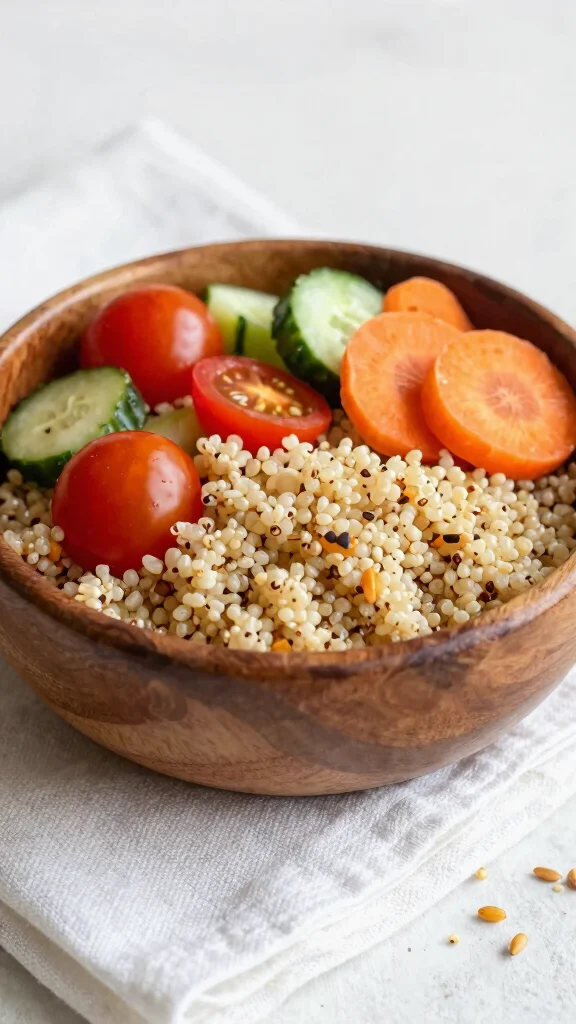
Are you ready to make a healthier choice in your meals? Switching from refined grains to whole grains can significantly improve your health, especially in managing diabetes. Whole grains like quinoa, brown rice, and farro are packed with fiber and nutrients, helping to keep your blood sugar levels stable.
These grains digest slowly, making you feel fuller longer. Try them in salads, or pair them with your favorite proteins for a hearty dish. Always look for ‘100% whole grain’ on labels to ensure you’re picking the best options.
Ingredients:
– 1 cup cooked quinoa
– 1 cup brown rice
– 1/2 cup whole-wheat pasta
– 1 cup roasted vegetables (your choice)
Instructions:
1. Cook quinoa as per package instructions (usually 15 minutes).
2. Prepare brown rice according to package (about 40-45 minutes).
3. Toss vegetables with olive oil and roast at 400°F (200°C) for 20 minutes.
4. Mix all together for a balanced meal.
5. Serve warm or as a cold salad.
FAQs:
– How much whole grain should I eat? Aim for at least half of your grain servings to be whole grains.
3. Include Lean Proteins
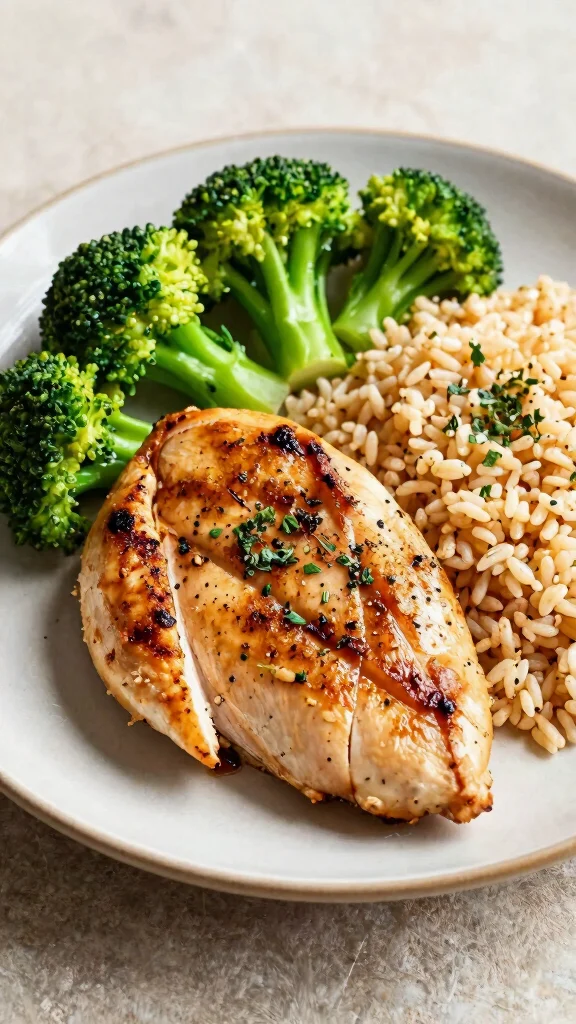
Are you focusing on feeling full and satisfied? Including lean proteins in your diet is a key strategy, especially for managing diabetes. Proteins help regulate blood sugar levels and keep you feeling full, reducing the temptation to snack on carbs.
Sources like chicken, turkey, fish, and legumes are great choices. You can grill, bake, or stir-fry them to add variety to your meals. Pair them with vegetables and whole grains for a well-rounded plate.
Ingredients:
– 3 ounces skinless chicken breast
– 1 cup mixed beans (canned or cooked)
– 3 ounces fish (like salmon or tilapia)
– Herbs and spices for seasoning
Instructions:
1. Season chicken breast with your favorite herbs.
2. Grill or bake at 375°F (190°C) for 25 minutes or until cooked through.
3. If using fish, cook it for about 15 minutes until flaky.
4. Serve with beans and vegetables for a complete meal.
FAQs:
– Can I try plant-based proteins? Yes, lentils and chickpeas are excellent alternatives for variety!
4. Get Creative with Healthy Fats
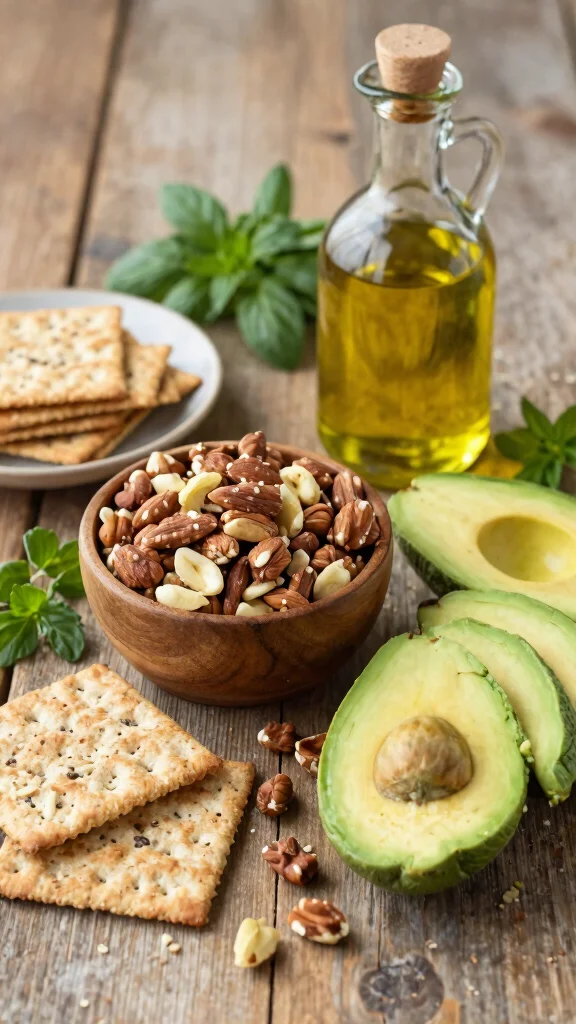
Want to add richness to your diet while staying healthy? Healthy fats are vital and can help manage diabetes when enjoyed in moderation. Incorporating avocados, nuts, seeds, and olive oil not only enhances flavor but also provides important nutrients.
Add sliced avocado to salads or enjoy it on whole-grain toast for a satisfying snack. Nuts and seeds make convenient snacks or can be toppings for yogurt, giving both crunch and health benefits.
Ingredients:
– 1 avocado, sliced
– 1 ounce almonds or walnuts
– 1 tablespoon olive oil
– 1 teaspoon chia or flax seeds
Instructions:
1. Slice avocado and arrange it on whole-grain toast.
2. Drizzle with olive oil for added flavor.
3. Top with nuts and seeds for crunch and healthy fats.
4. Enjoy as a snack or part of a meal.
FAQs:
– Are all fats bad? No, focus on healthy fats while limiting saturated and trans fats.
5. Limit Added Sugars
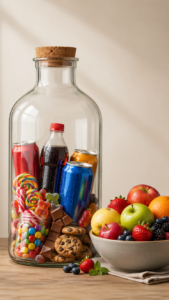
Are you struggling to keep your blood sugar stable? Being mindful of added sugars is essential for managing diabetes. Often hidden in processed foods and drinks, these sugars can lead to spikes in blood sugar levels. Instead, turn to natural sweeteners like fruits or a hint of honey.
Always read labels to spot hidden sugars such as ‘sucrose’ or ‘high-fructose corn syrup.’ Opting for unsweetened products and adding spices like cinnamon can elevate flavors without the extra sugar.
Ingredients:
– 1 apple, sliced
– 1 tablespoon cinnamon
– 1 cup unsweetened yogurt
– Fresh berries (optional)
Instructions:
1. Slice the apple and sprinkle with cinnamon.
2. Serve with yogurt for a delicious dip.
3. Top with berries for extra flavor and nutrients.
FAQs:
– Can I have sweets? Enjoy in moderation, focusing on natural sources.
Did you know hidden sugars lurk in sauces and drinks? A 12-ounce soda contains about 39 grams of added sugar, which can derail blood sugar and challenge healthy eating with diabetes—swap to unsweetened beverages and add cinnamon for flavor.
How To Choose Foods for Healthy Eating with Diabetes
Tools You’ll Need:
– Food scale
– Measuring cups
– Nutrition labels
– Food diary or app
Choosing the right foods while managing diabetes can feel overwhelming. But don’t worry! Here’s a simple guide to help you make smart food choices that support healthy eating.
Step 1: Understand Your Carbohydrate Needs
Knowing how carbohydrates affect your blood sugar is critical. Aim for a balanced intake of carbohydrates at each meal. A good rule of thumb is to limit your carb intake to about 45-60 grams per meal. Use your food scale and measuring cups to keep track of portions.
Step 2: Embrace Whole Foods
Whole foods are your best friends! Focus on fresh fruits, vegetables, whole grains, lean proteins, and healthy fats. These foods provide essential nutrients without added sugars. For example, choose quinoa or brown rice over white rice. Whole foods help maintain stable blood sugar levels and provide lasting energy.
Step 3: Read Nutrition Labels
Nutrition labels can guide your food choices effectively. Look for items with lower added sugars, higher fiber, and moderate protein. Pay attention to serving sizes as well. Try to choose foods with less than 5 grams of sugar per serving. This way, you can better control your blood sugar and make healthier choices.
Step 4: Plan Balanced Meals
Balance your plate by including a variety of food groups. Aim to fill half your plate with non-starchy vegetables, a quarter with lean protein, and a quarter with whole grains. This approach ensures you get the nutrients you need while managing blood sugar. Use your measuring cups to ensure correct portions.
Step 5: Limit Processed Foods
Processed foods often contain hidden sugars and unhealthy fats. Try to minimize items like sugary snacks, soda, and fast food. Instead, snack on nuts, seeds, or yogurt. When you do indulge, read the labels to choose options with less sugar and healthier fats.
Step 6: Keep a Food Diary
Tracking what you eat can help you identify patterns and triggers. Use an app or a simple notebook to note down everything you consume, including portion sizes. This practice helps you stay accountable and aware of your eating habits, making it easier to adjust as needed.
Pro Tip: Always consult with a healthcare professional or a registered dietitian. They can provide tailored advice based on your unique health needs.
By following these steps, you can make informed food choices that support your diabetes management. Remember, every meal is an opportunity to nourish your body and maintain healthy eating habits. Stay consistent, and you’ll feel the benefits!
6. Balance Your Plate
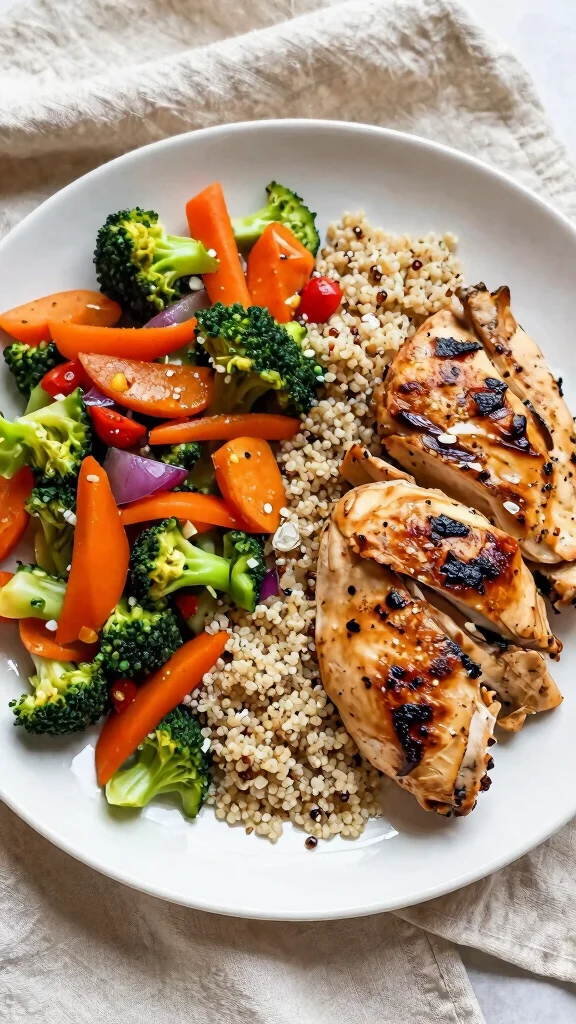
Wondering how to make meals more nutritious? Balancing your plate is key for managing diabetes. A well-balanced meal includes a variety of food groups: half your plate with non-starchy vegetables, a quarter with lean protein, and a quarter with whole grains.
This combination keeps blood sugar steady and helps you feel satisfied. Mix and match different foods to keep things interesting and flavorful.
Ingredients:
– 1 cup mixed vegetables (carrots, broccoli, bell peppers)
– 3 ounces lean protein (chicken or tofu)
– 1/2 cup brown rice or quinoa
Instructions:
1. Steam or sauté mixed vegetables until tender.
2. Cook brown rice according to package instructions.
3. Grill or bake the protein of your choice.
4. Assemble your plate with the different components.
FAQs:
– What if my plate looks different? Customize it to fit your needs but maintain the balance.
7. Stay Hydrated with Water

Feeling thirsty? Hydration is crucial for overall health, especially for those with diabetes. Drinking enough water helps maintain balanced blood sugar levels and supports various body functions. Aim for at least eight 8-ounce glasses daily.
Water is the best choice, but herbal teas or fruit-infused waters can add a little flair. Avoid sugary drinks that can spike your glucose levels. Making hydration a habit keeps you energized and refreshed.
Ingredients:
– 8 glasses of water
– Slices of lemon or berries (for flavor)
Instructions:
1. Fill a reusable bottle with water each morning.
2. Add slices of lemon or berries for a refreshing twist.
3. Set reminders to drink throughout the day.
FAQs:
– Does coffee count toward my water intake? Yes, but keep it moderate due to caffeine.
Fun fact: Drinking eight 8-ounce glasses of water daily can help maintain balanced blood sugar and steady energy. Skip sugary drinks and reach for water or herbal tea instead—your body and taste buds will thank you.
8. Mindful Eating Practices

Are you ready to change your relationship with food? Mindful eating can be transformative, especially for managing diabetes. By focusing on your meals, you can enjoy your food more and better understand your body’s hunger cues. This practice helps prevent overeating and encourages healthier choices.
Take your time to savor each bite, noticing the flavors and textures. Consider keeping a food journal to track what you eat and how it makes you feel.
Ingredients:
– A notebook or app for journaling
– Your favorite meal to enjoy mindfully
Instructions:
1. Sit down without distractions during meal times.
2. Chew slowly and savor each bite.
3. Reflect on your food choices afterward in your journal.
FAQs:
– What if I struggle with cravings? Practice being aware of them without acting immediately.
9. Indulge in Dark Chocolate

Craving something sweet? You can enjoy dark chocolate as a treat while managing diabetes! Aim for chocolate with at least 70% cocoa for health benefits without excessive sugar. Dark chocolate is rich in antioxidants and can help lower blood sugar levels.
A small piece can satisfy your sweet tooth without causing spikes. Pair it with nuts or fruits for a balanced snack.
Ingredients:
– 1 ounce of dark chocolate
– A handful of almonds or walnuts
– Fresh strawberries (optional)
Instructions:
1. Enjoy a piece of dark chocolate as a treat.
2. Pair with nuts or berries for added nutrition.
FAQs:
– Can I eat chocolate every day? Enjoy it in moderation, keeping it a part of a balanced diet.
Fun fact: An ounce of dark chocolate (70%+) delivers powerful antioxidants while keeping sugar modest. Enjoy it as a smart snack to curb cravings; pair with nuts or fruit for a balanced bite and steady energy.
10. Meal Prep for Success
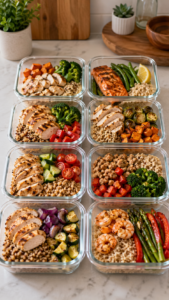
Want to simplify your week and stay on track? Meal prepping is a fantastic strategy, especially for managing diabetes. By preparing meals ahead, you can control portions, avoid unhealthy choices, and save time during busy days.
Spend a few hours each weekend getting organized. Use quality containers and label them clearly to keep your meals fresh and exciting. Include a variety of proteins, vegetables, and whole grains to meet your dietary needs.
Ingredients:
– A selection of proteins (chicken, beans)
– Various vegetables (seasonal choices)
– Whole grains (quinoa, brown rice)
Instructions:
1. Cook proteins and grains in bulk.
2. Chop vegetables and store them in containers.
3. Label everything clearly and store in the fridge.
4. Grab and go during the week for easy meals.
FAQs:
– How long can I store prepped meals? Most meals can be stored in the fridge for up to four days.
Conclusion

Healthy eating while managing diabetes doesn’t have to be complicated or restrictive. By making mindful choices and embracing a colorful variety of foods, you can nourish your body and satisfy your taste buds. Remember, it’s all about balance and moderation. From vibrant vegetables to indulgent dark chocolate, you can create a fulfilling and delicious meal plan that works for you. Consider sharing your journey or recipes with friends and family to inspire others on their healthy eating adventures!
Frequently Asked Questions
What does a diabetes-friendly plate look like for healthy eating?
A diabetes-friendly plate centers on healthy eating. Fill half with non-starchy veggies, a quarter with lean protein, and a quarter with fiber-rich carbs like whole grains or beans. Add a small amount of healthy fat. This balance supports steady energy and better diabetes management through smarter food choices. For flavor, use herbs, spices, and citrus instead of sugary sauces to keep meals enjoyable. Plan ahead with simple, repeatable meals to keep blood sugar steady.
Tip: use the plate method as a quick everyday guide and adjust portions for activity levels to optimize healthy eating.
Which everyday foods should I avoid or limit to support diabetes management and healthy eating?
To support diabetes management and healthy eating, limit sugary beverages, sweets, fried foods, and refined carbohydrates like white bread and pastries. Watch portions of starches, and swap ultra-processed snacks for whole-food options such as fruit, nuts, or yogurt. Read labels for added sugars and hidden carbs, and focus on food choices that provide fiber, protein, and healthy fats to keep blood sugar stable. Small, consistent adjustments beat big overhauls.
Practical tip: plan meals ahead, keep a shopping list, and batch-cook to avoid temptation when cravings hit.
Can I eat fruit, dairy, and starches while managing diabetes, and how to choose wisely?
Absolutely. You can include fruit, dairy, and starches as part of healthy eating with diabetes, as long as you make smart choices. Opt for whole fruits rather than juice to maximize fiber and keep blood sugar more stable. For dairy, choose unsweetened options and mindful portions; yogurt with no added sugar or cheese can fit into meals. When it comes to starches, pick high-fiber sources like whole grains, beans, lentils, oats, and sweet potatoes with skin. Pair starches with protein, fat, or fiber to blunt blood sugar spikes and support diabetes management and good food choices.
What are practical strategies for dining out or on the go without compromising healthy eating with diabetes?
Dining out doesn’t have to derail healthy eating with diabetes. Start by checking menus ahead of time and choosing dishes with lean protein and lots of vegetables. Ask for sauces and dressings on the side, and avoid sugary drinks and dessert when possible. Favor grilling, steaming, or roasted items over fried foods, and keep portions reasonable; consider asking for a half-portion or sharing with someone. Pair any starch with extra vegetables and protein to maintain stable diabetes management and food choices.
Pro tip: monitor your alcohol intake and eat slowly to gauge fullness.
Are there easy snack ideas that curb cravings and support stable blood sugar?
Yes. Snacking smart can curb cravings and keep blood sugar on track as part of healthy eating with diabetes management. Try ideas like an apple or pear with a tablespoon of natural peanut butter, plain Greek yogurt with berries, veggie sticks with hummus, a handful of almonds, or whole-grain crackers with cheese. Pair protein or fiber-rich snacks with healthy fats to stay full longer and avoid spikes. Keep portions in check and choose snacks that fit into your daily food choices plan.
Related Topics
diabetes management
healthy recipes
meal planning
food choices
low glycemic
nutrition tips
easy meals
snack ideas
portion control
diabetic friendly
healthy eating habits
beginner friendly