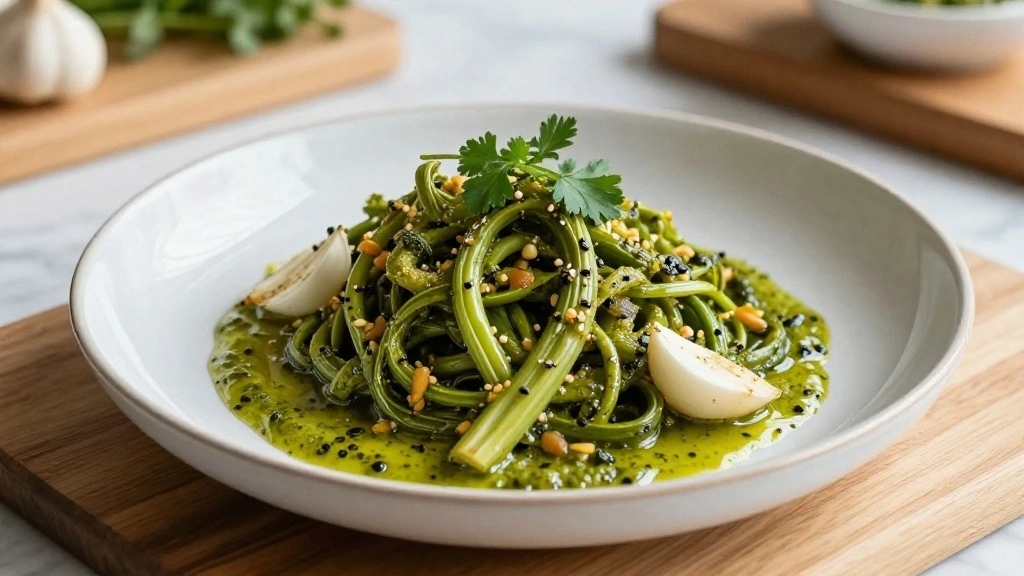
The vibrant, fresh taste of garlic scapes pesto breathes new life into a classic Italian staple.
With its unique garlicky aroma and a hint of nuttiness, this pesto offers a delightful deviation from traditional basil-based versions.
Garlic scapes are a seasonal treasure, springing up in farmers’ markets and gardens during late spring to early summer.
Their short season makes them a sought-after ingredient for culinary enthusiasts looking to explore new flavors.
This pesto is perfect for those who wish to elevate their pasta, sandwiches, or dips with a distinct, savory twist.
The History and Cultural Significance
• Savory Garlic Scapes traces its origins to Mediterranean regions, where it was originally created by local farmers utilizing the entire garlic plant.
• The dish evolved over decades as chefs began incorporating different nuts and cheeses, eventually becoming the beloved version we know today.
• In Italian culture, this dish traditionally appears at summer gatherings, symbolizing the bounty of the season’s harvest.
• While many variations exist across different regions, the authentic version maintains the use of fresh scapes and quality olive oil that sets it apart from imitations.
Recipe Overview
Nutritional Information (per serving)
Essential Equipment Guide
Food Processor: A food processor is key for achieving the smooth, creamy texture of pesto. A high-powered option is preferred, but a blender can work as an alternative if necessary.
Microplane Grater: This tool is essential for finely grating Parmesan cheese, ensuring it incorporates seamlessly into the pesto. A box grater can substitute, but the texture will be less fine.
Measuring Cups and Spoons: Accurate measurement of ingredients is crucial for balancing flavors, especially when dealing with strong ingredients like garlic scapes.
Ingredients
For the Pesto
|
|
| Amount | Ingredient | Notes |
|---|---|---|
| 1 cup | garlic scapes | chopped into 1-inch pieces |
| 1/2 cup | Parmesan cheese | grated for depth of flavor |
| 1/3 cup | walnuts | toasted for nuttiness |
| 1/2 cup | olive oil | extra virgin for richness |
| 1 tablespoon | lemon juice | freshly squeezed for brightness |
| 1/4 teaspoon | salt | to taste |
| 1/4 teaspoon | black pepper | freshly ground |
Preparation Methods
Toasting Nuts: Toasting the walnuts enhances their natural flavor and adds a deeper nuttiness to the pesto. Spread them on a baking sheet and roast at 350°F for about 8 minutes, stirring halfway through.
Chopping Scapes: Properly chopping garlic scapes into uniform pieces ensures even blending and a smoother pesto. Use a sharp knife and ensure consistent cuts.
Emulsifying Oil: Gradually adding olive oil while processing the pesto helps emulsify the mixture, creating a creamy and well-integrated sauce. Pour the oil in a slow, steady stream for best results.
Step 1: Prepare Ingredients
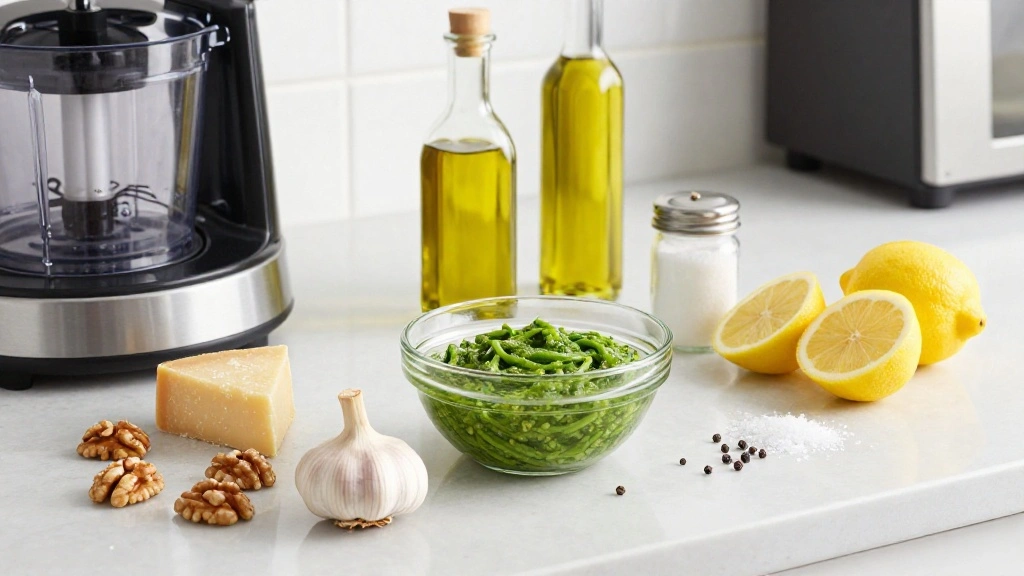
Gather all ingredients and equipment needed for the recipe.
Measure out each ingredient according to the list provided.
Ensure garlic scapes are washed and dried thoroughly.
This will streamline the process and prevent any delays.
Step 2: Toast the Walnuts
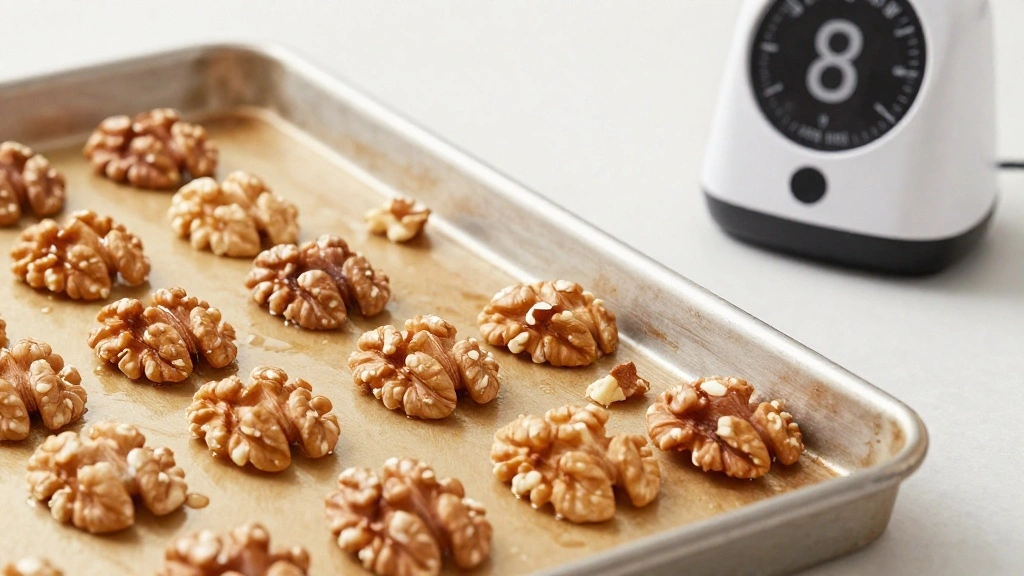
Preheat your oven to 350°F.
Spread walnuts evenly on a baking sheet.
Toast them in the oven for about 8 minutes, stirring halfway through.
Remove when golden brown and fragrant, then let cool.
Step 3: Chop Garlic Scapes
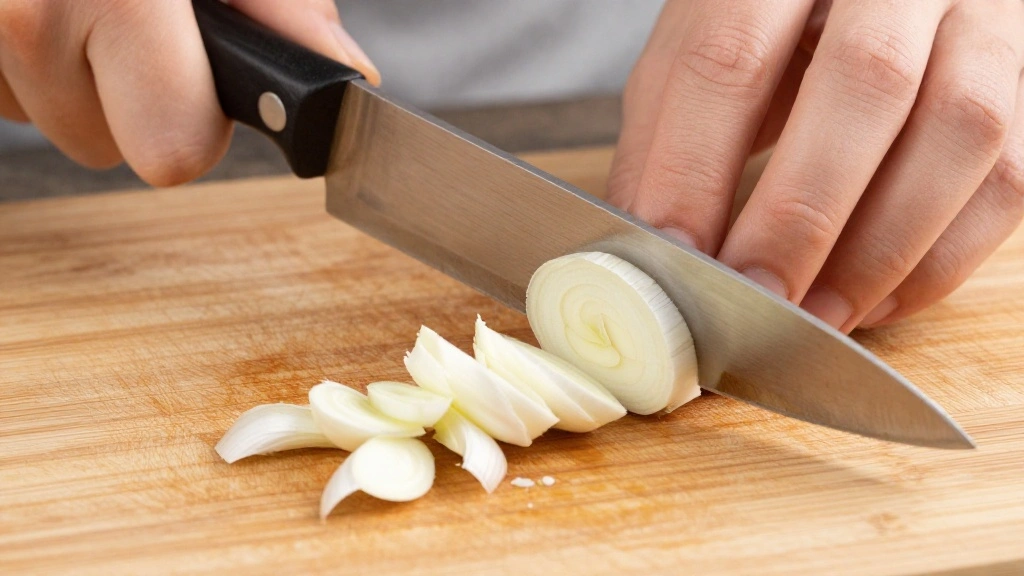
Place the washed garlic scapes on a cutting board.
Using a sharp knife, chop them into 1-inch pieces.
This ensures they blend evenly in the food processor.
Transfer chopped scapes to a bowl and set aside.
Step 4: Grate Parmesan Cheese
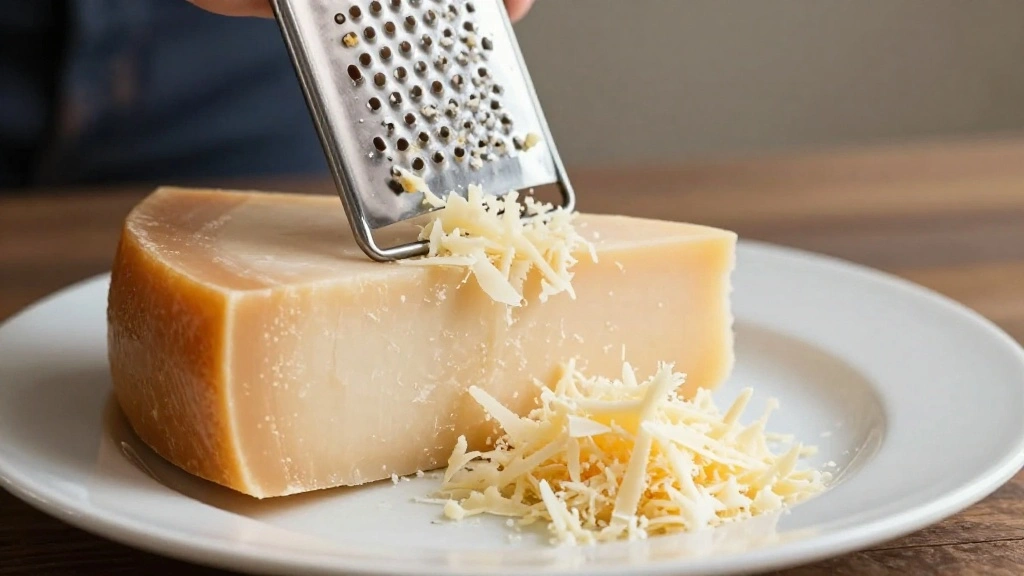
Take a block of Parmesan cheese and a microplane grater.
Grate the cheese finely until you have the required amount.
This fine texture will blend smoothly into the pesto.
Set aside the grated cheese for later use.
Step 5: Blend Ingredients
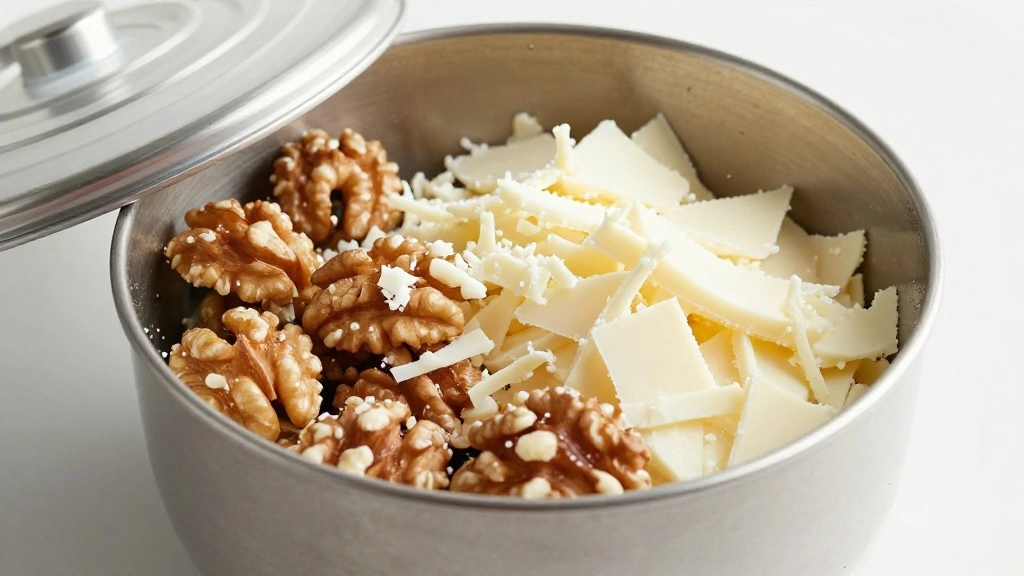
Place chopped garlic scapes and toasted walnuts into the food processor.
Add grated Parmesan, salt, and pepper.
Pulse several times until ingredients are coarsely combined.
Scrape down sides of the bowl as needed.
Step 6: Add Olive Oil and Lemon Juice
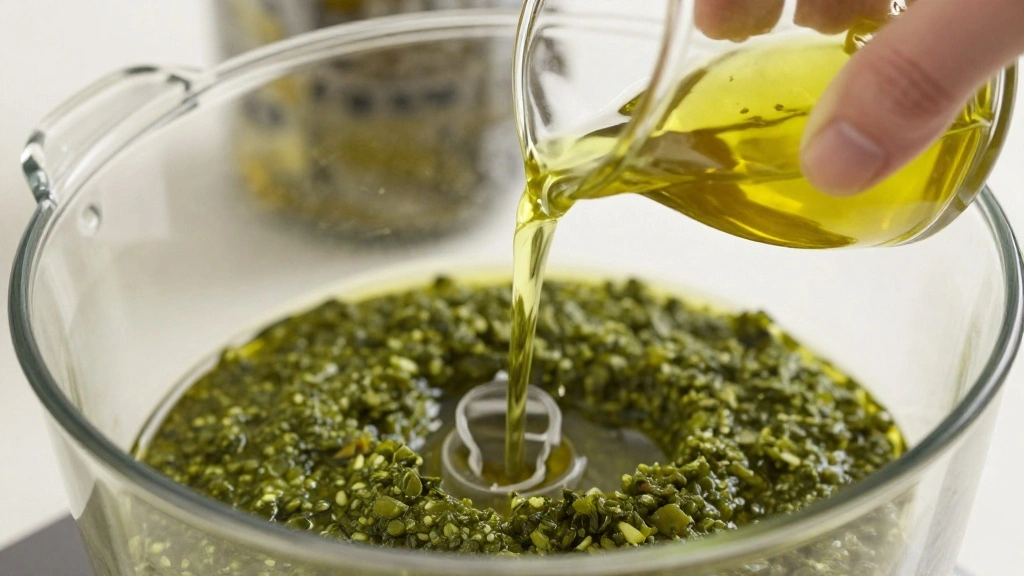
With the food processor running, slowly pour in the olive oil.
Add the freshly squeezed lemon juice as the mixture blends.
Continue processing until the pesto reaches a smooth, creamy consistency.
Taste and adjust seasoning if necessary.
Step 7: Check Pesto Consistency
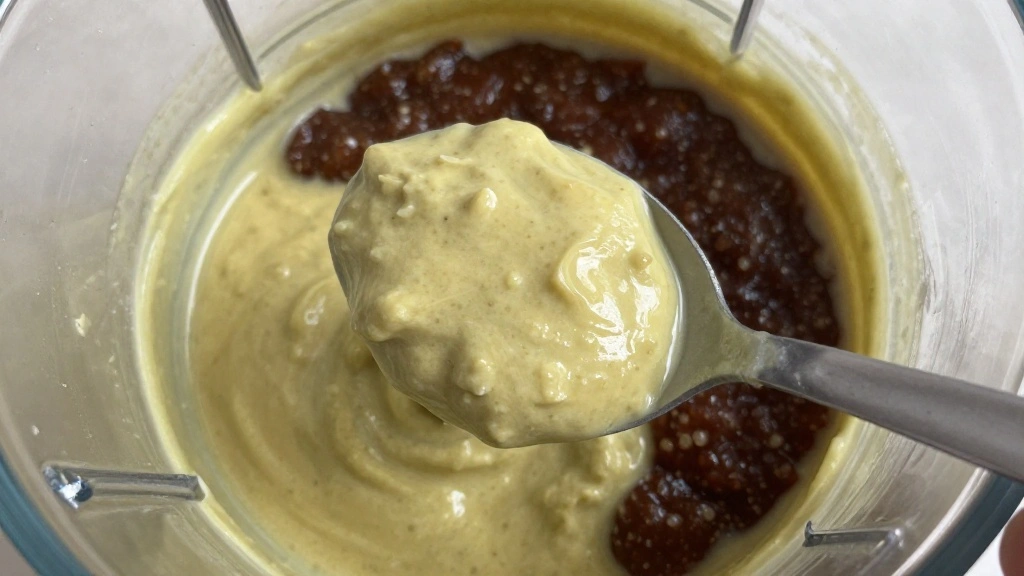
Stop the food processor and check the texture of the pesto.
It should be smooth but still have some texture from the nuts.
If too thick, add a bit more olive oil and blend again.
If too thin, add more Parmesan or nuts to thicken.
Step 8: Serve or Store Pesto
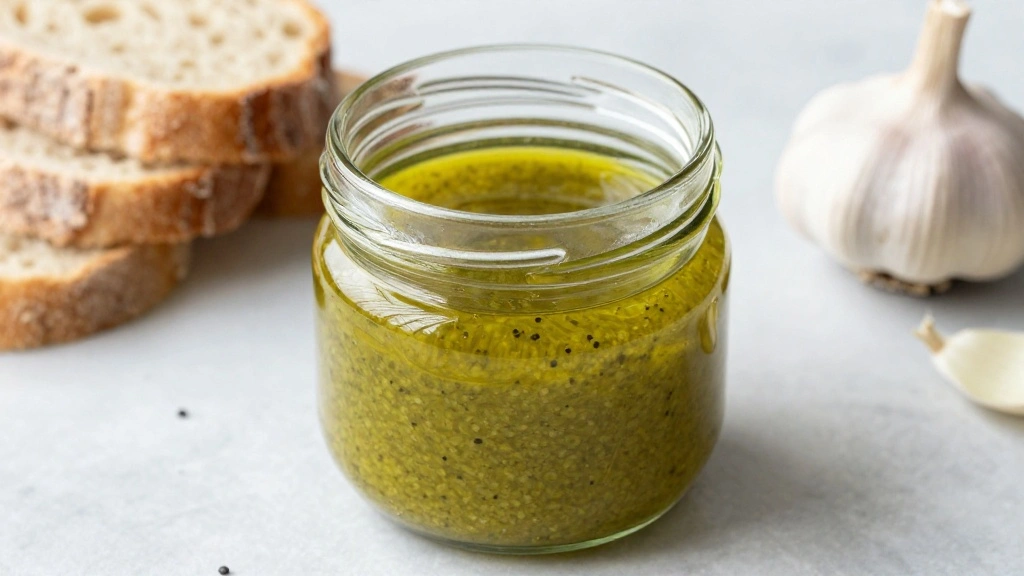
Transfer the finished pesto to a serving bowl or airtight container.
If using immediately, serve it as desired over pasta or as a spread.
For storage, refrigerate in a sealed container for up to a week.
Ensure a layer of olive oil covers the top to prevent browning.
Critical Timing and Temperature Guide
Toasting Walnuts: Toast for exactly 8 minutes at 350°F. Look for a light golden color and a fragrant aroma. Be careful not to burn them, as this will impart a bitter taste.
Blending Ingredients: Blend ingredients in the food processor for 1-2 minutes, checking consistency frequently. Stop blending once the desired smoothness is achieved to avoid over-processing.
Oil Emulsification: Add olive oil slowly over 1 minute while blending. Look for a creamy texture that indicates proper emulsification. Avoid pouring too quickly, as this can cause separation.
Pro Tips for Savory Garlic Scapes
• Ingredient Selection: Choose fresh, vibrant green garlic scapes for the best flavor. Avoid scapes that are wilted or yellowing.
• Preparation Secret: Briefly blanch the garlic scapes in boiling water if they are particularly tough, then shock in ice water to preserve their color and flavor.
• Temperature Management: Use room temperature ingredients for smoother blending and better emulsification.
• Texture Enhancement: For a chunkier pesto, reserve some chopped walnuts and fold them into the finished mixture by hand.
• Flavor Layering: Add a pinch of red pepper flakes for a subtle heat that complements the garlic flavor.
• Make-Ahead Strategies: Prepare pesto up to three days in advance and store in the refrigerator. Freeze in ice cube trays for portioned servings.
• Restaurant-Quality Finishing Touches: Drizzle with high-quality extra virgin olive oil just before serving for an added layer of richness.
• Equipment Optimization: Keep your food processor blade sharp for the best results, as dull blades can lead to uneven texture.
Troubleshooting Common Issues
• Pesto Too Bitter: This can happen if the walnuts or garlic scapes are over-toasted or if too much lemon juice is used. Balance with a bit more cheese and olive oil.
• Too Thin Consistency: If the pesto is too runny, add more grated Parmesan or nuts to thicken it up.
• Pesto Not Blending Smoothly: Ensure all ingredients are at room temperature and add olive oil more gradually while blending.
• Overly Garlicky Flavor: Adjust by adding more nuts and cheese to mellow the garlic intensity.
• Separation of Oil: This occurs if the oil is added too quickly. Blend again, gradually adding more nuts or cheese to help emulsify.
Variations and Regional Differences
• Italian Basil Pesto: This classic version uses basil instead of garlic scapes, with pine nuts as the primary nut, offering a more traditional taste.
• French Pistou: A French variation without nuts, focusing on basil, garlic, and olive oil, creating a lighter texture.
• Asian-Inspired Pesto: Incorporates sesame oil and peanuts with garlic scapes for an exotic twist.
• Vegan Pesto: Omits Parmesan cheese, substituting nutritional yeast for a cheesy flavor without dairy.
Food Science Behind the Recipe
• Emulsification: The process of blending oil with other ingredients creates a stable mixture that enhances texture and flavor distribution.
• Maillard Reaction: Toasting nuts at the right temperature causes browning and enhances flavor through the Maillard reaction.
• Enzyme Activity: Garlic scapes contain enzymes that can affect flavor; proper preparation can help control their intensity.
Frequently Asked Questions
What's the most common mistake people make when preparing garlic scapes pesto? Over-toasting the nuts, which can lead to a bitter taste.
Can I freeze garlic scapes pesto? Yes, it freezes well in ice cube trays for easy portioning.
What can I substitute for walnuts? Pine nuts, almonds, or cashews can be used for different flavor profiles.
How do I know if my garlic scapes are fresh? Fresh scapes are firm, vibrant green, and free from yellowing.
Is there a dairy-free version of pesto? Yes, use nutritional yeast instead of Parmesan for a vegan option.
Why does my pesto taste too garlicky? This can happen if too many scapes are used; balance with more cheese and nuts.
What dishes pair well with garlic scapes pesto? It pairs excellently with pasta, grilled vegetables, sandwiches, and as a dip.
Serving and Presentation Guide
• Traditional Presentation: Serve pesto in a rustic bowl, garnished with a drizzle of olive oil and a sprinkle of grated Parmesan.
• Modern Plate: Spread pesto over toasted crostini, topped with cherry tomato slices and a basil leaf.
• Family Style: Mix with pasta and serve in a large bowl with a side of crusty bread.
• Appetizer Spread: Serve in a small dish as part of a charcuterie board with cheeses and cured meats.
Conclusion
Savory Garlic Scapes Pesto offers a fresh, bold twist on a beloved classic.
Its unique flavor profile and versatility make it a must-try for any food enthusiast.
Whether used as a sauce, spread, or dip, this pesto is sure to impress.
Give it a try and discover a new favorite way to enjoy the fleeting garlic scape season.