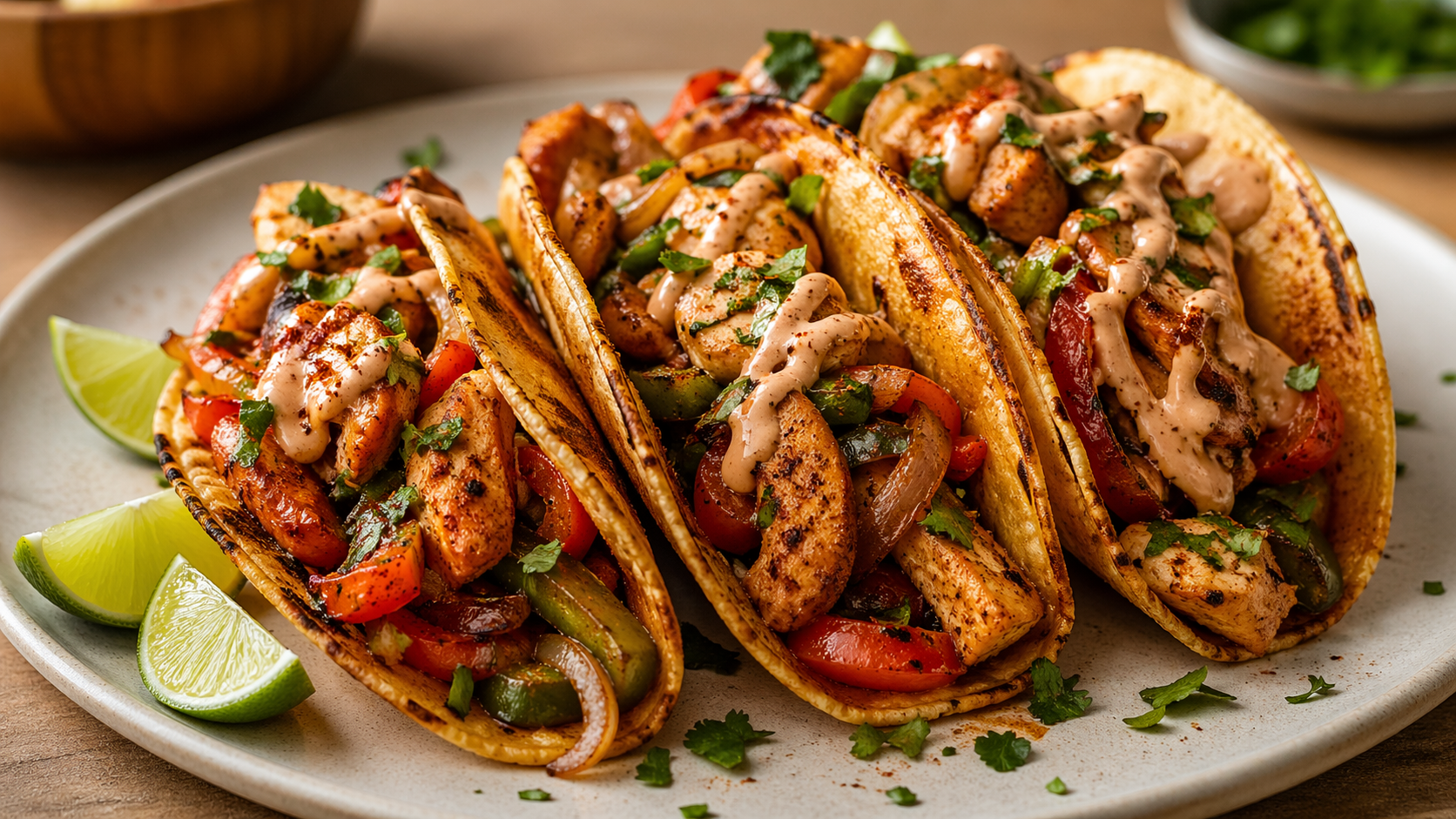
Loaded Potato Taco Bowl is a delightful fusion of two beloved comfort foods, bringing together the hearty satisfaction of a loaded potato and the vibrant flavors of a taco.
The combination of creamy potatoes, savory taco meat, and fresh toppings creates a dish that’s both filling and refreshing.
This recipe is perfect for cozy family dinners or casual gatherings with friends, delivering a burst of flavor in every bite.
As the weather turns cooler, there’s nothing more comforting than a warm, satisfying bowl of this delicious creation.
With simple preparation and familiar ingredients, this recipe is both accessible and impressive.
The History and Cultural Significance
• Loaded Potato Taco traces its origins to the fusion of American and Mexican cuisines in the southwestern United States, where it was originally created by home cooks seeking hearty, flavorful meals.
• The dish evolved over decades as ingredients became more accessible and chefs began experimenting with diverse toppings and seasonings, eventually becoming the beloved version we know today.
• In American culture, this dish traditionally appears at casual gatherings and family dinners, symbolizing comfort and togetherness.
• While many variations exist across different regions, the authentic version maintains a balance of creamy potatoes and spicy taco meat that sets it apart from imitations.
Recipe Overview
Nutritional Information (per serving)
Essential Equipment Guide
Cast Iron Skillet: This tool is essential for achieving a perfect sear on the taco meat, ensuring even cooking and enhancing flavor. A non-stick pan is an alternative, but it may not deliver the same depth of flavor. Look for a well-seasoned skillet to prevent sticking.
Baking Sheet: Required for roasting the potatoes evenly, a baking sheet allows for proper air circulation. Alternatives include a roasting pan, but ensure it’s large enough to avoid overcrowding which can lead to uneven cooking.
Mixing Bowls: Important for combining ingredients without making a mess, mixing bowls should be sturdy and large enough to accommodate all components. Glass or stainless steel options are preferable for easy cleaning and durability.
Ingredients
For the Base
|
|
| Amount | Ingredient | Notes |
|---|---|---|
| 4 large | potatoes | peeled and cubed |
| 2 tablespoons | olive oil | enhances roasting flavor |
For the Taco Meat
| Amount | Ingredient | Notes |
|---|---|---|
| 1 pound | ground beef | provides savory base |
| 1 packet | taco seasoning | adds traditional taco flavor |
Vegetables
| Amount | Ingredient | Notes |
|---|---|---|
| 1 cup | corn kernels | adds sweetness and texture |
| 1 cup | black beans | rinsed and drained for protein |
Toppings
| Amount | Ingredient | Notes |
|---|---|---|
| 1 cup | cheddar cheese | shredded for meltiness |
| 1 cup | sour cream | adds creaminess |
| 1/2 cup | green onions | sliced for freshness |
Preparation Methods
Roasting Potatoes: Roasting is crucial for developing a crispy exterior and soft interior in the potatoes. This method enhances natural flavors and adds depth to the dish. Preheat your oven to 425°F, spread potatoes in an even layer, and roast until golden brown.
Searing Meat: Searing the ground beef before adding seasoning locks in juices and creates a rich, caramelized crust. Use a high heat and avoid overcrowding the pan to achieve the best results.
Layering Ingredients: Proper layering ensures each bite is a balance of flavors and textures. Layer potatoes first, followed by taco meat, vegetables, and toppings. This technique maximizes flavor distribution and presentation.
Step 1: Prepare Ingredients
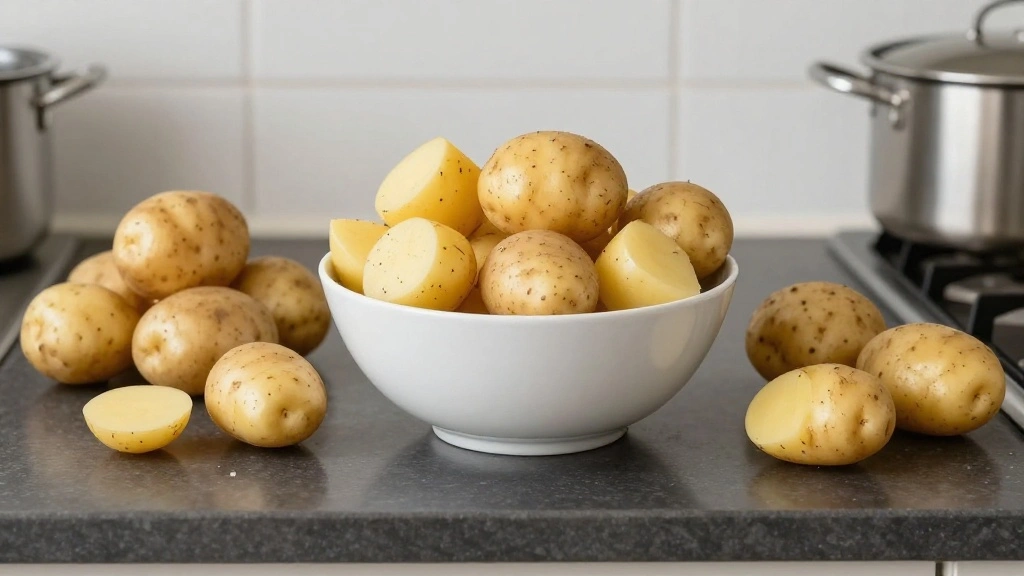
Start by peeling and cubing the potatoes into uniform pieces.
Measure out all other ingredients and have them ready to use.
This will ensure a smooth cooking process without interruptions.
Proper preparation is key to staying organized and efficient.
Step 2: Roast the Potatoes
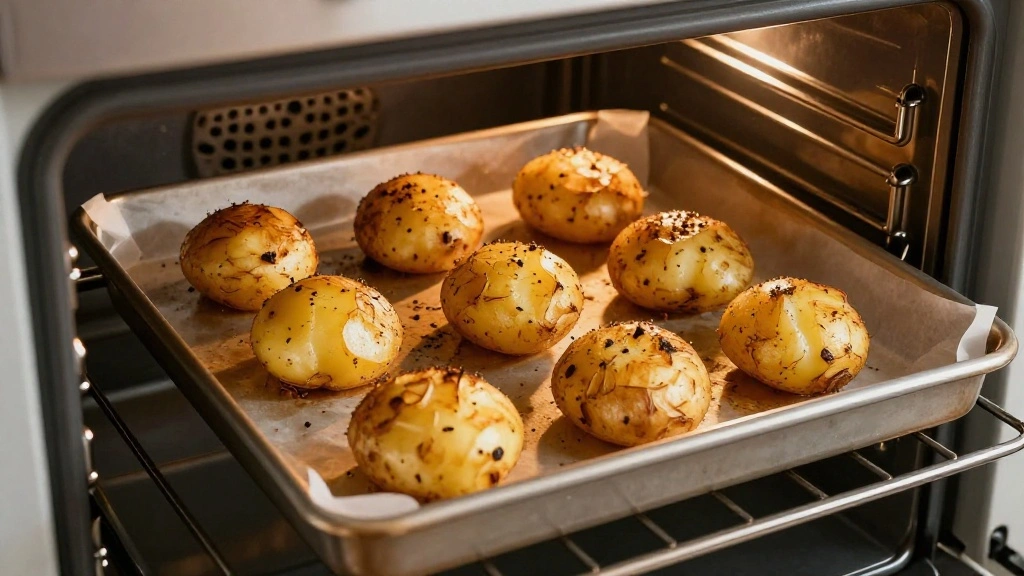
Preheat your oven to 425°F.
Toss the cubed potatoes with olive oil, salt, and pepper in a large bowl.
Spread them evenly on a baking sheet.
Roast in the oven for 25-30 minutes until golden brown and crispy.
Step 3: Sear the Ground Beef
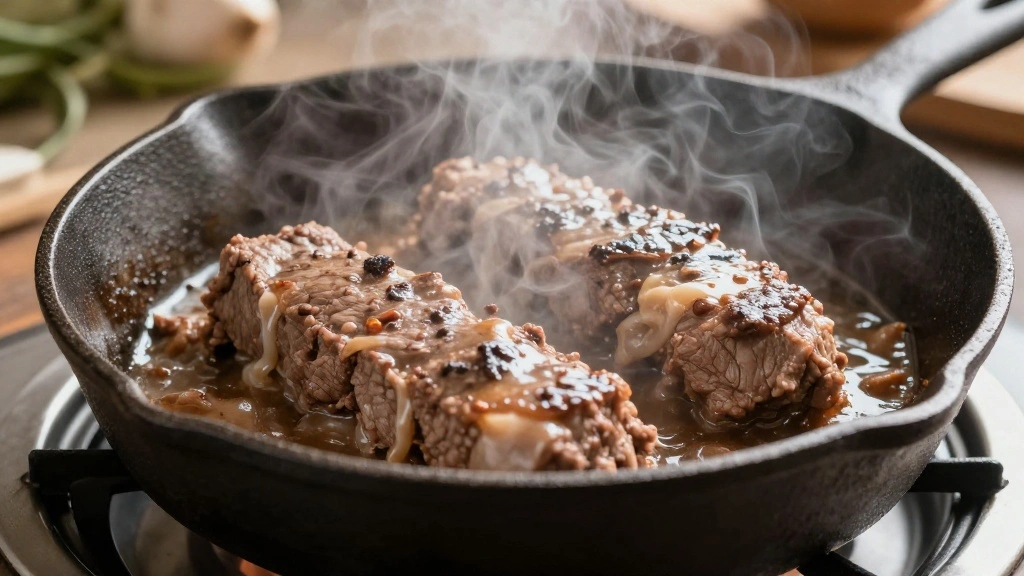
Heat a cast iron skillet over medium-high heat.
Add the ground beef, breaking it apart with a spatula as it cooks.
Cook until it's browned and no pink remains, approximately 7-8 minutes.
Drain excess fat to ensure a leaner dish.
Step 4: Add Taco Seasoning
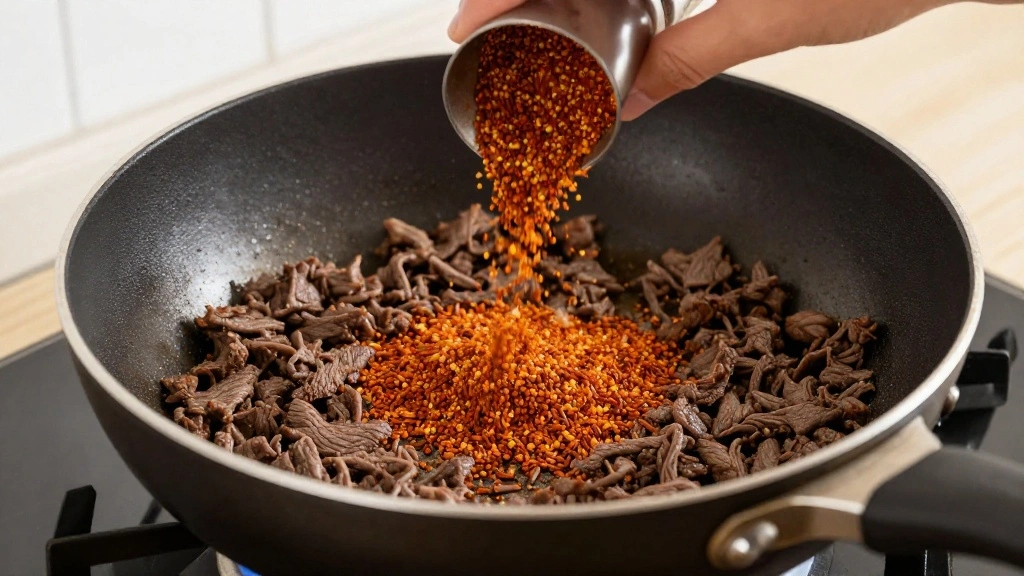
Sprinkle the taco seasoning over the cooked beef.
Stir to evenly coat the meat, ensuring all pieces are seasoned.
Add a splash of water if needed to distribute the seasoning evenly.
Cook for an additional 2-3 minutes, allowing flavors to meld.
Step 5: Prepare Vegetables
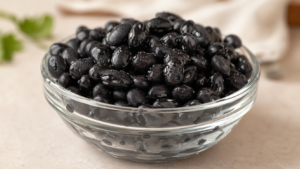
In a separate bowl, combine corn kernels and black beans.
Rinse and drain the beans thoroughly before adding.
This step ensures a fresh and clean taste.
Set aside until assembling the bowl.
Step 6: Assemble the Taco Bowl
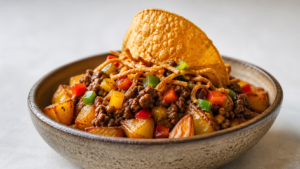
Begin assembling the bowl by layering roasted potatoes at the base.
Add a generous amount of seasoned taco meat over the potatoes.
Top with the corn and black bean mixture for texture.
Finish with shredded cheese, sour cream, and green onions.
Step 7: Melt the Cheese
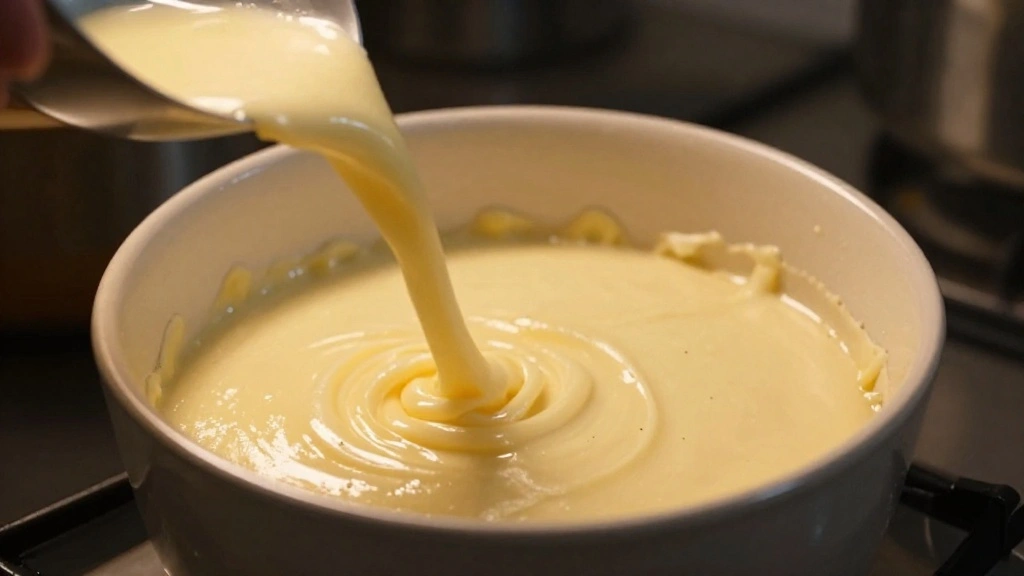
Preheat the broiler on high.
Place the assembled bowls under the broiler briefly until the cheese melts.
This step creates a gooey, delicious topping.
Watch closely to prevent burning.
Step 8: Serve and Enjoy
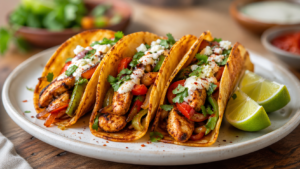
Carefully remove the bowls from the broiler.
Garnish with additional green onions or cilantro if desired.
Serve immediately while hot to enjoy the best flavors.
Pair with a fresh salad or tortilla chips for a complete meal.
Critical Timing and Temperature Guide
Roasting Potatoes: Roast at 425°F for 25-30 minutes, turning halfway through. Look for a golden brown color and crispy edges. Avoid overcrowding the pan to ensure even cooking.
Searing Meat: Sear beef on medium-high heat until browned, approximately 7-8 minutes. Meat should be fully cooked with no pink remaining. Overcrowding the pan can lead to steaming instead of searing.
Broiling Cheese: Broil on high for 1-2 minutes until cheese is bubbly and melted. Watch closely to prevent burning, as broiling happens quickly.
Pro Tips for Loaded Potato Taco
• Ingredient Selection: Choose starchy potatoes like Russets for the best texture, and opt for high-quality, fresh ground beef to enhance overall flavor.
• Preparation Secret: Letting potatoes soak in cold water for 10 minutes before roasting removes excess starch, resulting in a crispier texture.
• Temperature Management: Ensure the skillet is sufficiently hot before adding beef to achieve a proper sear that locks in juices.
• Texture Enhancement: Use a potato masher to slightly smash roasted potatoes before assembling the bowl, creating more surface area for toppings.
• Flavor Layering: Add a squeeze of lime juice over the assembled bowl before serving to enhance brightness and balance richness.
• Make-Ahead Strategies: Prepare the taco meat and roast the potatoes a day in advance. Store separately in airtight containers in the fridge and assemble just before serving.
• Restaurant-Quality Finishing Touches: Garnish with fresh herbs like cilantro and a sprinkle of smoked paprika for added depth of flavor.
• Equipment Optimization: If you don’t have a broiler, use a kitchen torch to melt the cheese for a similar effect.
Troubleshooting Common Issues
• Potatoes Too Soggy: This can occur if the potatoes are overcrowded on the baking sheet. Ensure they are spread out in a single layer with space around each piece.
• Meat Too Dry: Overcooking or using too lean beef can result in dry meat. Use a meat thermometer to check for doneness, aiming for 160°F.
• Cheese Not Melting: Cheese that doesn't melt properly may be due to low-quality or pre-shredded cheese. Use freshly grated cheese for the best melting results.
• Flavors Unbalanced: If the dish lacks flavor, consider adding a bit more salt or a squeeze of lime juice to enhance the overall taste.
• Toppings Not Sticking: If toppings slide off, lightly press them into the cheese layer while it's still warm to help them adhere.
Variations and Regional Differences
• Tex-Mex Variation: Incorporates jalapeños and avocados for additional heat and creaminess, reflecting Tex-Mex flavor profiles.
• Vegetarian Style: Replace beef with a mix of sautéed mushrooms and bell peppers for a plant-based alternative without sacrificing flavor.
• Southwestern Twist: Add ingredients like cilantro, lime zest, and chipotle peppers for a smoky, zesty version popular in southwestern U.S. cuisine.
• Breakfast Version: Use scrambled eggs and chorizo in place of beef, topped with salsa for a breakfast-inspired take on the dish.
Food Science Behind the Recipe
• Maillard Reaction: The browning of the meat and potatoes is a result of the Maillard reaction, which enhances flavor through the chemical reaction between amino acids and reducing sugars.
• Starch Gelatinization: When potatoes are roasted, the heat causes the starches to gelatinize, creating a fluffy interior while the exterior crisps up.
• Emulsification: The addition of taco seasoning to beef helps emulsify the fats and spices, allowing for a more cohesive and flavorful meat mixture.
Frequently Asked Questions
What's the most common mistake people make when preparing Loaded Potato Taco Bowl? Overcrowding the potatoes on the baking sheet, leading to steaming instead of roasting.
Can I use sweet potatoes instead? Yes, sweet potatoes can be a delicious alternative, offering a sweeter flavor profile that complements the savory elements.
How can I make this recipe spicier? Add chopped jalapeños or a dash of hot sauce while cooking the taco meat for added heat.
Is there a way to make this dish healthier? Opt for leaner ground turkey instead of beef and reduce the amount of cheese and sour cream for a lighter version.
Can I prepare this dish in advance? Yes, you can prepare most components a day ahead and simply assemble and broil before serving.
How do I store leftovers? Store in an airtight container in the refrigerator for up to three days. Reheat in the oven or microwave before serving.
Can I make this dish without a broiler? Absolutely, use a kitchen torch to melt the cheese, or simply serve with non-melted cheese if preferred.
Serving and Presentation Guide
• Traditional Presentation: Serve in a deep bowl with layers visible from the side, garnished with a sprinkle of green onions and cilantro.
• Family Style: Present components in separate serving dishes, allowing guests to assemble their own bowls to taste.
• Layered Plating: For an elegant touch, use a ring mold to stack layers neatly on a plate, then remove the mold for a tidy presentation.
• Rustic Style: Serve directly from the skillet or baking dish for a homey, casual feel, encouraging communal enjoyment.
Conclusion
Embrace the comforting fusion of flavors in this Loaded Potato Taco Bowl, a dish that's sure to be a hit with family and friends.
With its straightforward preparation and satisfying taste, it's a recipe you'll return to time and again.
Whether you're seeking a cozy meal or a dish to impress, this recipe is your go-to for delicious comfort food at its best.