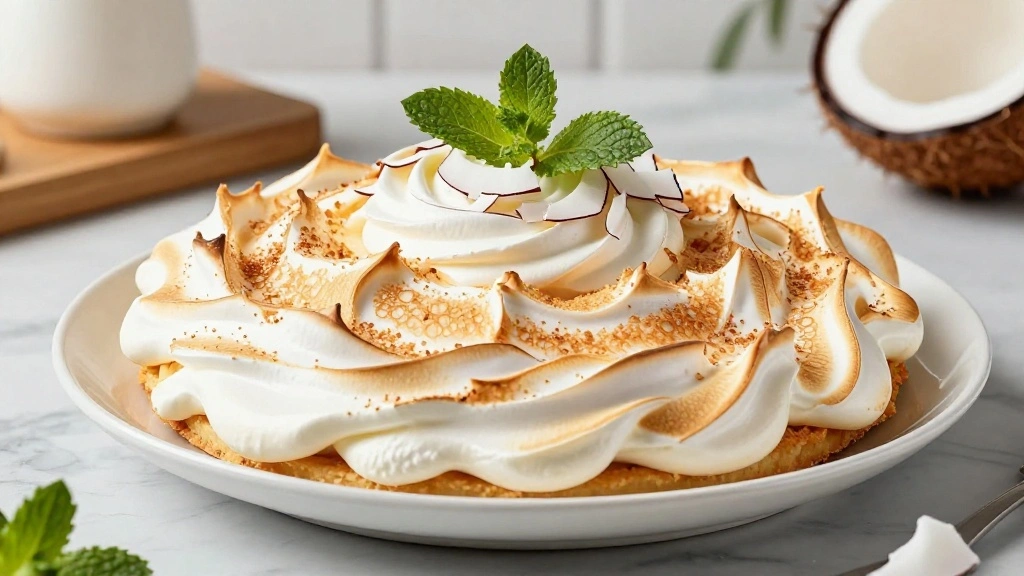
This classic Fluffy Coconut Meringue Pie brings the light and tropical flavors of coconut together with the airy texture of meringue for a dessert that’s both refreshing and satisfyingly sweet.
The harmonious balance of creamy coconut custard and pillowy meringue creates a memorable dining experience that will have everyone asking for your secret.
I first fell in love with this recipe during a summer family gathering, where its bright flavors perfectly complemented the warm weather.
Whether you’re preparing a casual family dinner or hosting a special celebration, this Fluffy Coconut Meringue Pie delivers impressive results with straightforward preparation.
The History and Cultural Significance
• Fluffy Coconut Meringue traces its origins to the Caribbean in the early 19th century, where it was originally created by local chefs combining tropical ingredients.
• The dish evolved over decades as trade brought new ingredients and baking techniques to the region, eventually becoming the beloved version we know today.
• In Caribbean culture, this dish traditionally appears at summer gatherings and celebrations, symbolizing hospitality and the bounty of the tropics.
• While many variations exist across different regions, the authentic version maintains a delicate balance of coconut flavor and fluffy meringue that sets it apart from imitations.
Recipe Overview
Nutritional Information (per serving)
Essential Equipment Guide
Electric Mixer: An electric mixer is crucial for achieving the stiff peaks needed in the meringue, ensuring it holds its shape and bakes properly. A hand whisk can be used as an alternative, but it requires more effort and time.
Pie Pan: A ceramic or glass pie pan helps evenly distribute heat, ensuring the crust bakes evenly. Look for one with a fluted edge for a decorative finish.
Double Boiler: This is important for gently heating the coconut custard without scorching it. A heavy-bottomed saucepan can serve as a substitute, but requires constant attention.
Ingredients
For the Base
|
|
| Amount | Ingredient | Notes |
|---|---|---|
| 1 cup | all-purpose flour | sifted for light texture |
| 1/2 cup | cold butter | cubed |
| 1/4 cup | sugar | adds sweetness |
| 1 pinch | salt | enhances flavor |
For the Filling
| Amount | Ingredient | Notes |
|---|---|---|
| 2 cups | coconut milk | richness and flavor |
| 1/2 cup | sugar | sweetness |
| 3 tablespoons | cornstarch | thickening agent |
| 4 large | egg yolks | adds richness, save whites for meringue |
For the Meringue
| Amount | Ingredient | Notes |
|---|---|---|
| 4 large | egg whites | stiff peaks for meringue |
| 1/2 cup | sugar | stabilizes the meringue |
| 1 teaspoon | vanilla extract | flavor enhancement |
Preparation Methods
Blind Baking: Blind baking involves pre-baking the pie crust before adding the filling. It is crucial for preventing a soggy bottom by ensuring the crust is fully cooked and crisp.
Whipping Egg Whites: Whipping egg whites to stiff peaks is essential for a stable meringue. This technique increases volume through air incorporation, and using room-temperature eggs enhances results.
Cooking Custard: Cooking custard requires attention to avoid curdling. Stir constantly over low heat until it thickens, ensuring a smooth, creamy texture.
Step 1: Prepare the Pie Crust
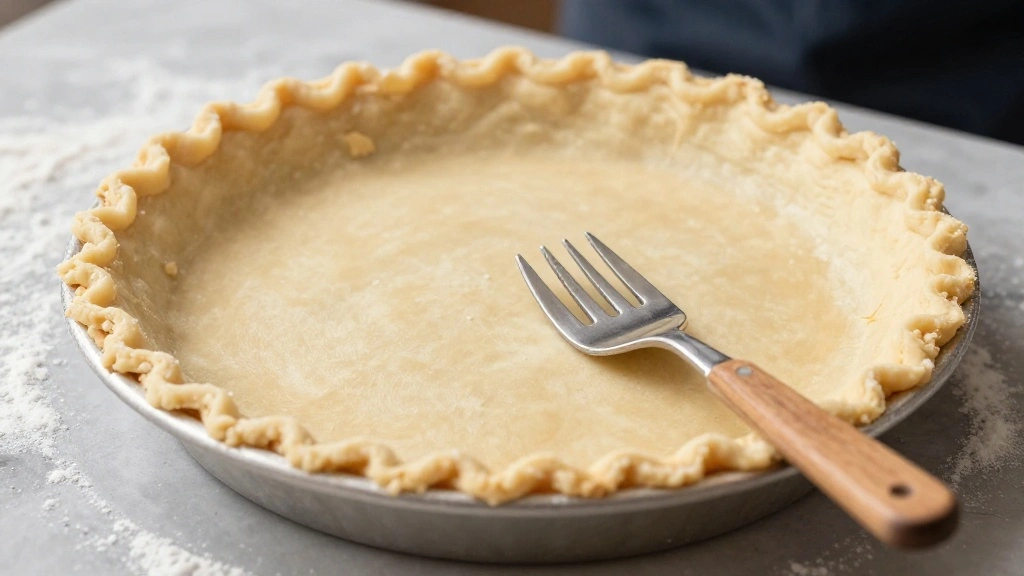
Preheat your oven to 375°F (190°C).
Combine flour, sugar, and salt in a bowl.
Cut in cold butter using a pastry cutter until mixture resembles coarse crumbs.
Press the mixture into a pie pan evenly and prick with a fork.
Step 2: Blind Bake the Crust
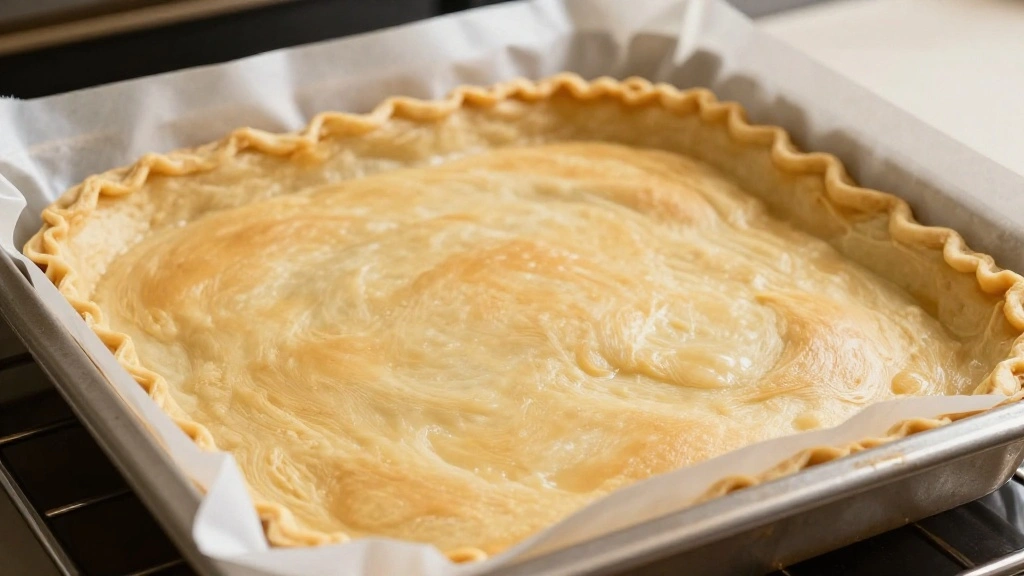
Line the crust with parchment paper and fill with pie weights or dried beans.
Bake for 15 minutes, then remove the weights and paper.
Bake for an additional 5 minutes until the crust is golden.
Allow to cool completely before adding filling.
Step 3: Prepare the Coconut Custard
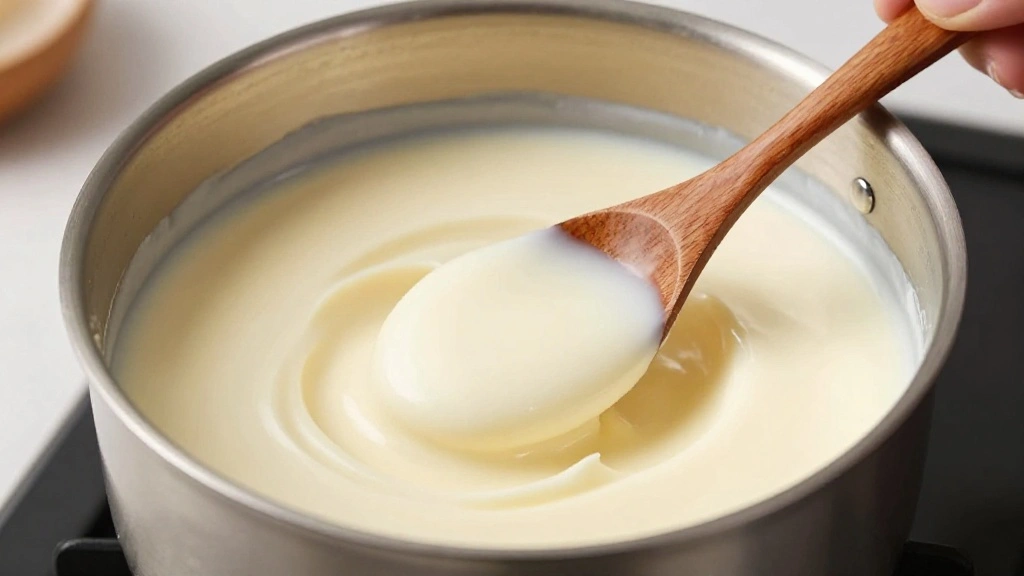
In a medium saucepan, combine coconut milk, sugar, and cornstarch.
Cook over medium heat, stirring constantly until the mixture thickens.
Remove from heat and slowly whisk in beaten egg yolks.
Return to heat and cook for an additional 2 minutes until thickened.
Step 4: Pour Custard into Crust
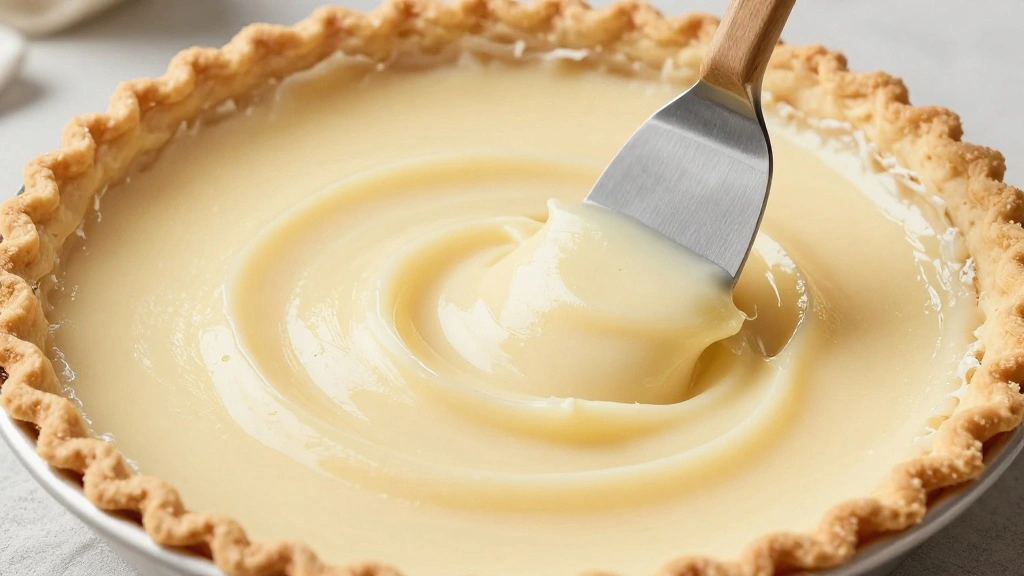
Pour the warm coconut custard into the cooled pie crust.
Spread evenly using a spatula to ensure a smooth surface.
Allow the pie to cool at room temperature for at least 20 minutes.
Refrigerate until the custard is fully set.
Step 5: Whip Egg Whites for Meringue
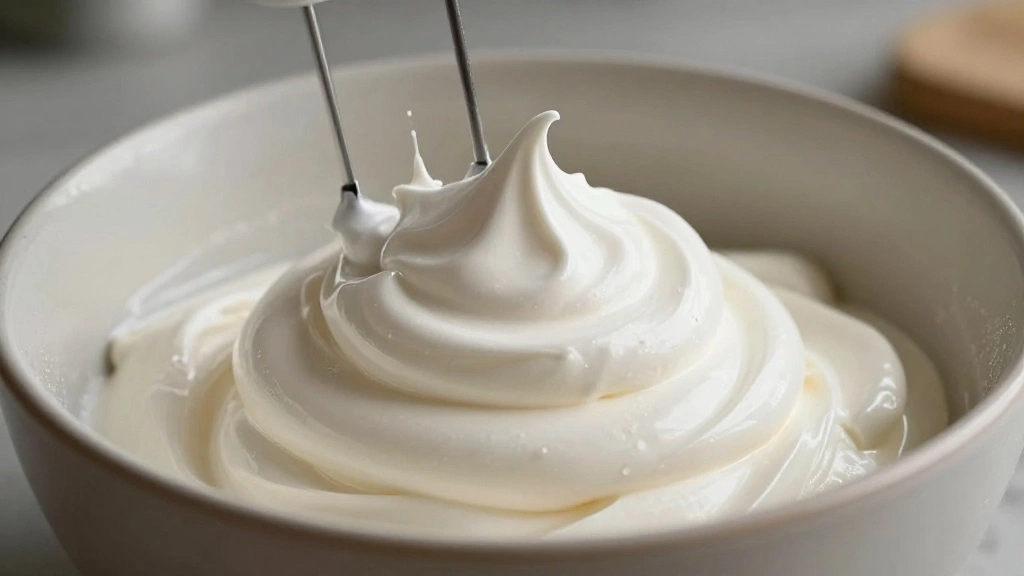
In a clean mixing bowl, beat egg whites until foamy.
Gradually add sugar, beating continuously until stiff peaks form.
Add vanilla extract and beat until incorporated.
Ensure the meringue is glossy and holds stiff peaks.
Step 6: Top Pie with Meringue
Preheat oven to 350°F (175°C).
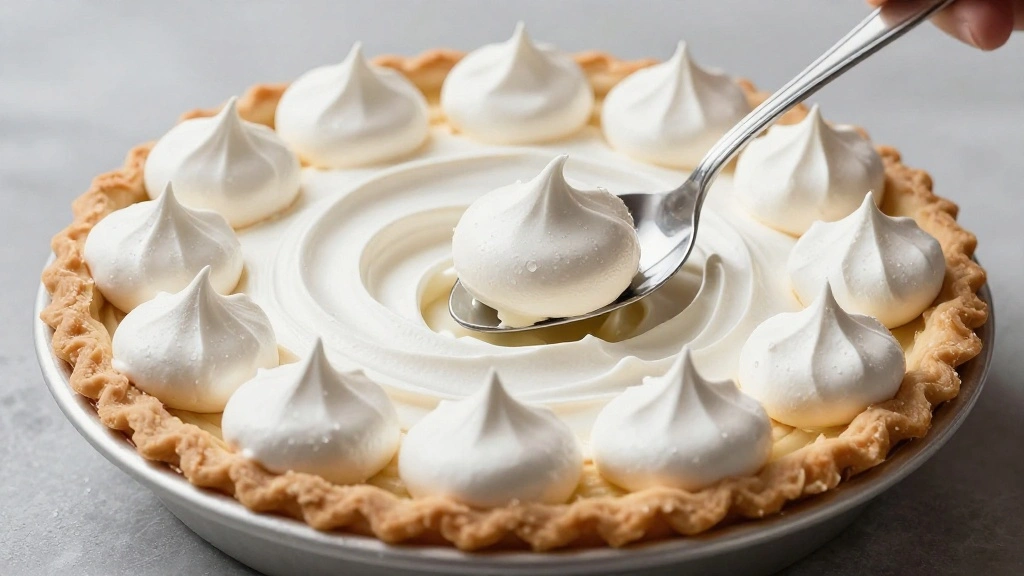
Spread meringue over the chilled custard, sealing edges to crust.
Create decorative peaks using the back of a spoon.
Ensure meringue is evenly distributed and covers the custard completely.
Step 7: Bake the Meringue
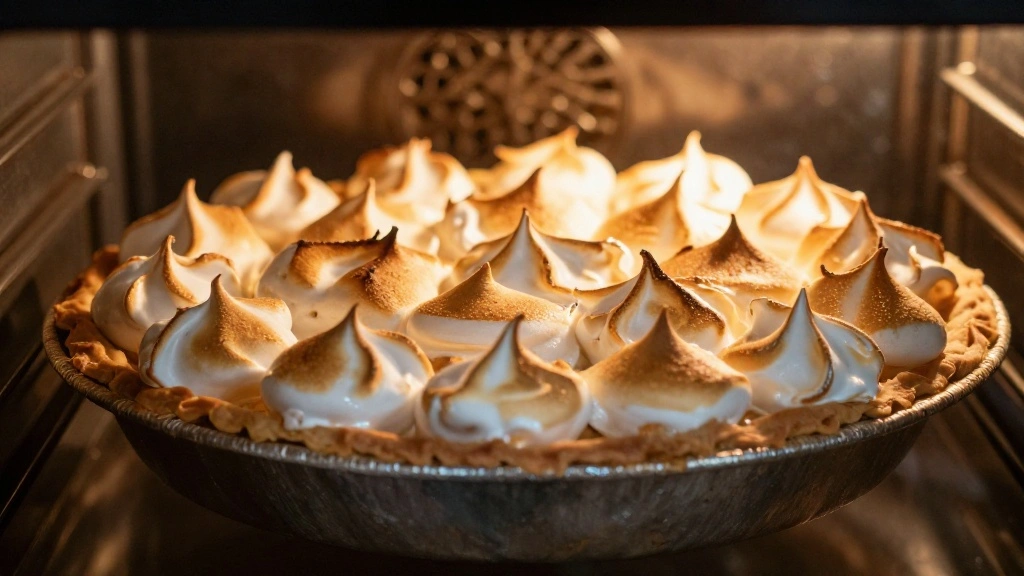
Place the pie in the preheated oven.
Bake for 10-12 minutes until meringue is golden brown.
Watch closely to prevent burning.
Remove from oven and allow to cool at room temperature.
Step 8: Chill and Serve
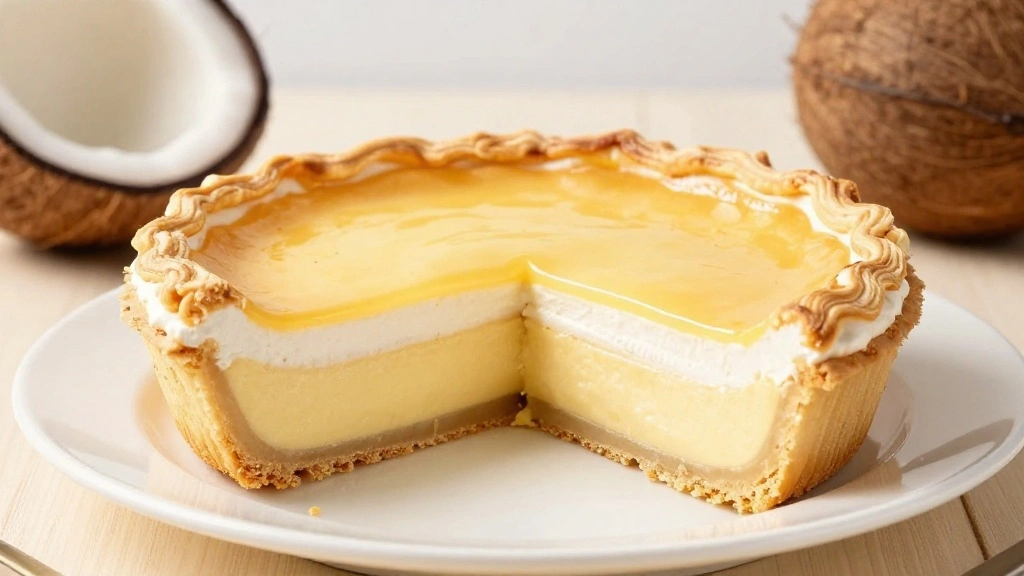
Once cooled, refrigerate the pie for at least 2 hours before serving.
This helps the custard set fully and flavors to meld.
Use a sharp knife to cut clean slices.
Serve chilled for the best flavor and texture.
Critical Timing and Temperature Guide
Blind Baking: Bake at 375°F (190°C) for 20 minutes total. Look for a golden crust. Avoid over-baking, which can make the crust too hard.
Custard Cooking: Cook over medium heat until thickened, about 10 minutes. Custard should coat the back of a spoon. Avoid high heat, which can cause curdling.
Meringue Baking: Bake at 350°F (175°C) for 10-12 minutes. Meringue should be golden brown. Avoid opening the oven door frequently, which can cause deflation.
Pro Tips for Fluffy Coconut Meringue
• Ingredient Selection: Use fresh, high-quality coconut milk for the richest flavor. Opt for organic eggs for better meringue stability.
• Preparation Secret: Ensure all equipment for meringue is grease-free for optimal volume. Even a trace of fat can prevent egg whites from whipping properly.
• Temperature Management: Use room temperature egg whites for better volume and stability in meringue.
• Texture Enhancement: Add a pinch of cream of tartar to stabilize the meringue and achieve a softer texture.
• Flavor Layering: Toasted coconut flakes can be added to the custard for an extra layer of coconut flavor.
• Make-Ahead Strategies: The pie can be prepared a day in advance. Store in the refrigerator and add meringue just before serving for the freshest taste.
• Restaurant-Quality Finishing Touches: Torch the meringue lightly for added color and a professional touch.
• Equipment Optimization: Ensure your oven is calibrated correctly for the most consistent baking results.
Troubleshooting Common Issues
• Meringue Sinking: This can occur if the meringue is under-whipped or if it's not adequately sealed to the crust. Ensure stiff peaks are achieved and the meringue is spread to the edges.
• Custard Not Setting: If the custard is runny, it may not have been cooked long enough. Ensure you allow it to thicken on the stove before pouring it into the crust.
• Soggy Crust: A soggy crust is often the result of not blind baking properly. Ensure the crust is fully baked and cooled before adding the custard.
• Cracking Meringue: Meringue can crack if it cools too quickly. Allow the pie to cool gradually at room temperature before refrigerating.
• Burnt Meringue: Keep a close eye on the meringue while baking. If it browns too quickly, reduce the oven temperature slightly.
Variations and Regional Differences
• Hawaiian Style: Incorporates macadamia nuts into the crust for added texture and flavor.
• Southern Style: Uses a graham cracker crust instead of traditional pie crust and often includes a touch of lemon zest in the meringue for a citrusy twist.
• Indonesian Style: Infuses the custard with pandan for an aromatic and unique flavor profile.
• Mexican Variation: Adds a hint of cinnamon to the custard, providing a warm and spicy undertone.
Food Science Behind the Recipe
• Protein Coagulation: The heat causes proteins in the egg yolks to coagulate, which thickens the custard.
• Maillard Reaction: This occurs in the meringue as it bakes, creating the golden brown color and complex flavors.
• Starch Gelatinization: Cornstarch thickens the custard by absorbing liquid and swelling, creating a stable structure.
Frequently Asked Questions
What's the most common mistake people make when preparing Fluffy Coconut Meringue Pie? The most common mistake is under-whipping the meringue, which can cause it to collapse.
Can I use a different type of milk instead of coconut milk? While you can substitute, coconut milk provides the signature flavor and richness.
How do I store leftovers? Cover the pie with plastic wrap and refrigerate for up to 3 days.
Can I make this pie gluten-free? Yes, use a gluten-free flour blend for the crust.
How do I know when the meringue is done? Look for a golden brown color and firm peaks.
Why is my custard lumpy? This can happen if it cooks too quickly. Stir continuously and use medium heat.
Can I freeze this pie? It's not recommended to freeze due to the delicate texture of the meringue.
Serving and Presentation Guide
• Traditional Presentation: Serve slices of pie on white dessert plates with a sprinkle of toasted coconut on top.
• Elegant Presentation: Add a mint leaf garnish and a drizzle of chocolate sauce for a sophisticated touch.
• Rustic Presentation: Serve directly from the pie pan at casual gatherings for a homely feel.
• Individual Presentation: Create mini pies in ramekins for personalized servings.
Conclusion
This delightful Fluffy Coconut Meringue Pie is a must-try for anyone seeking a refreshing dessert.
Its light texture and tropical flavors make it perfect for summer gatherings.
With these tips and techniques, you're well on your way to mastering this classic treat.
Enjoy the compliments from your guests as they savor each bite.