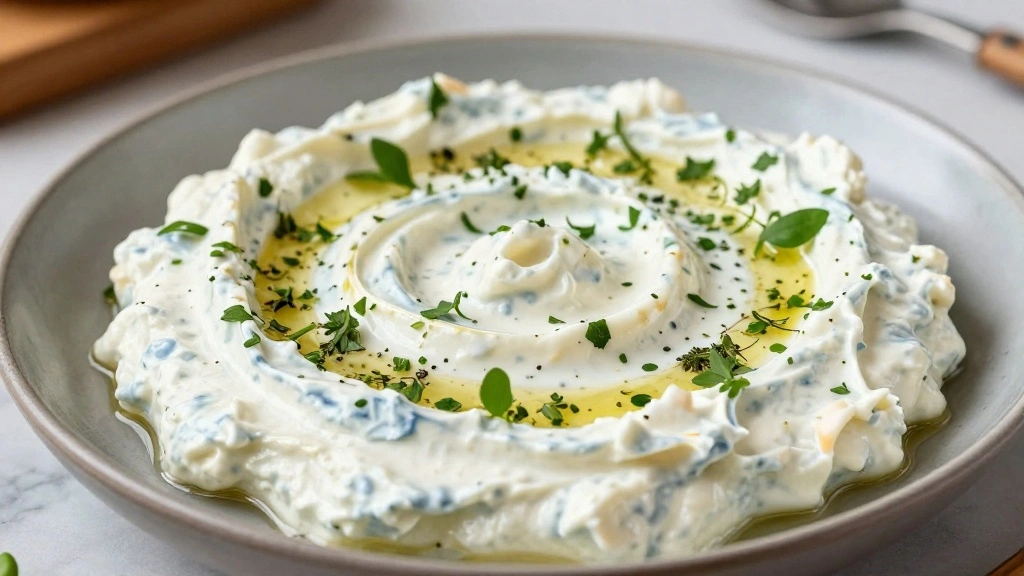
This classic Tzatziki Sauce brings together centuries of culinary tradition with modern techniques to create a dish that’s both refreshing and versatile.
The harmonious balance of creamy yogurt, crisp cucumber, and zesty garlic creates a memorable dining experience that will have everyone asking for your secret.
I discovered this recipe during my travels through Greece, where local chefs have perfected it through generations of careful refinement.
Whether you’re preparing a casual family dinner or hosting a special celebration, this Tzatziki Sauce delivers impressive results with straightforward preparation.
The History and Cultural Significance
• Homemade Tzatziki Sauce traces its origins to the Ottoman Empire, where it was originally created by Greek and Turkish chefs.
• The dish evolved over decades as ingredients like yogurt and cucumbers became more widely available, eventually becoming the beloved version we know today.
• In Greece, this dish traditionally appears at family gatherings and festivals, symbolizing hospitality and freshness.
• While many variations exist across different regions, the authentic version maintains its creamy texture and tangy flavor that sets it apart from imitations.
Recipe Overview
Nutritional Information (per serving)
Essential Equipment Guide
Fine Grater: A fine grater is essential for shredding cucumbers to the perfect size for Tzatziki. Alternatives include a food processor with a grating disc. Look for a grater with sharp blades and sturdy construction.
Mixing Bowl: A medium-sized mixing bowl is necessary to combine all ingredients uniformly. A stainless steel or glass bowl is ideal as it won’t absorb odors.
Cheesecloth: Cheesecloth is crucial for draining excess moisture from cucumbers, ensuring the sauce remains thick and creamy. A clean kitchen towel can substitute in a pinch, but cheesecloth provides the best results.
Ingredients
For the Base
|
|
| Amount | Ingredient | Notes |
|---|---|---|
| 1 cup | Greek yogurt | adds creaminess and tang |
| 1 large | cucumber | peeled, seeded, and grated |
Seasonings
| Amount | Ingredient | Notes |
|---|---|---|
| 3 cloves | garlic | minced for pungent flavor |
| 1 tablespoon | olive oil | adds richness |
| 1 tablespoon | fresh dill | chopped, for a fresh herbal note |
| 1 tablespoon | lemon juice | adds acidity |
| 1 teaspoon | salt | enhances flavor |
| 1/2 teaspoon | black pepper | adds mild heat |
Preparation Methods
Grating Cucumbers: Grating cucumbers finely is essential for Tzatziki. It ensures even distribution and prevents large chunks. Use a fine grater and apply consistent pressure for uniform results.
Draining Excess Moisture: Removing moisture from grated cucumbers is key to preventing a watery sauce. Place the cucumbers in cheesecloth and squeeze gently to extract liquid. This step ensures the sauce remains thick and creamy.
Flavor Integration: Allowing the sauce to rest after mixing lets flavors meld together. This resting period enhances the depth of flavor, making the Tzatziki more aromatic and cohesive.
Step 1: Prepare Ingredients
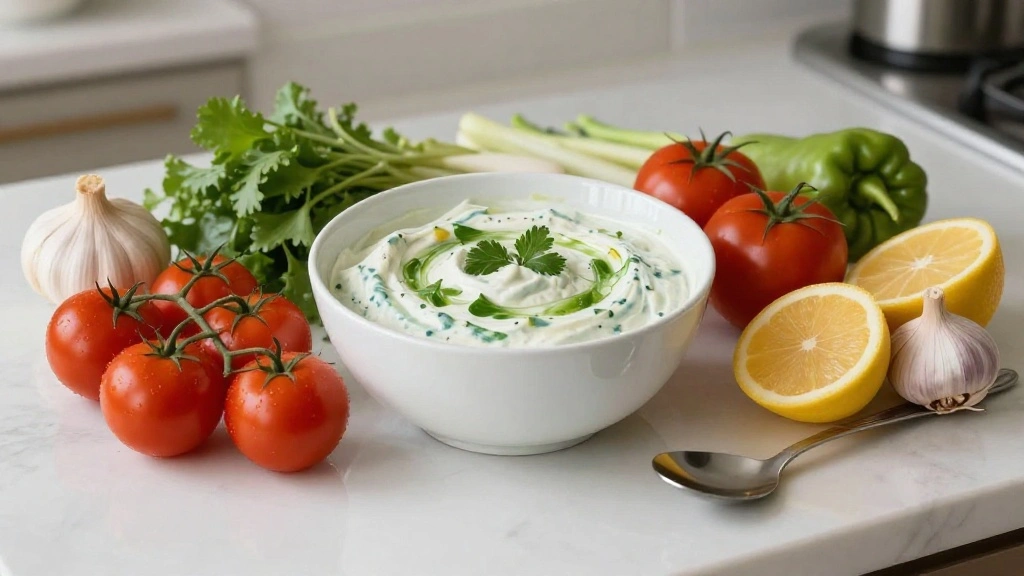
Begin by gathering all your ingredients.
Ensure the cucumber is peeled and seeded before grating.
Measure out the yogurt and seasonings to have everything ready.
Organizing ingredients ahead of time facilitates a smoother preparation process.
Step 2: Grate the Cucumber
Use a fine grater to shred the cucumber evenly.
Apply gentle pressure to avoid overly large pieces.
Stop grating when you reach the seeds.
This step ensures the cucumber is the right consistency for the sauce.
Step 3: Drain the Cucumber
Place grated cucumber into a cheesecloth.
Squeeze gently to remove excess moisture.
Continue until cucumber feels dry to the touch.
This prevents the sauce from becoming watery.
Step 4: Mince the Garlic
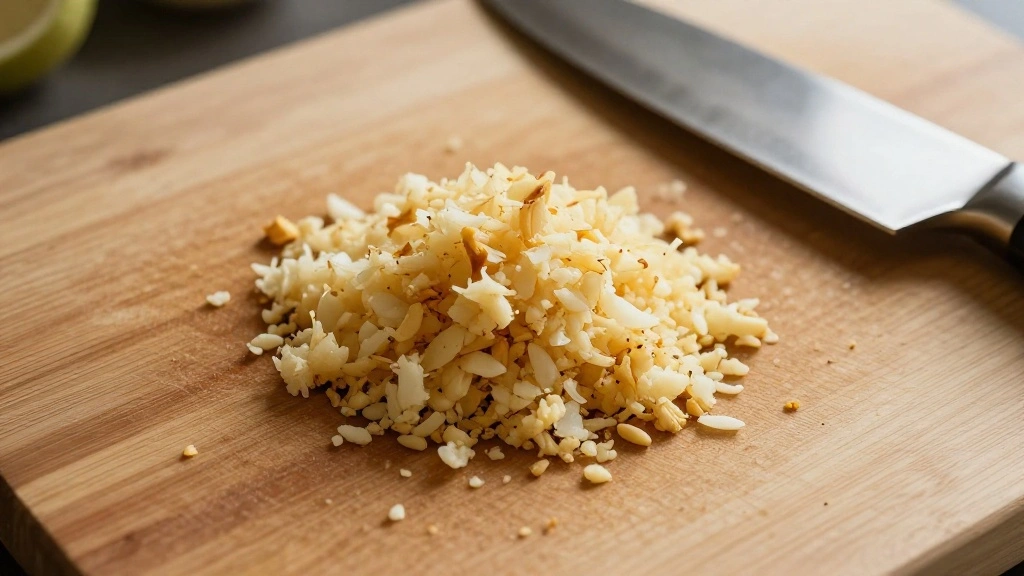
Peel and finely mince the garlic cloves.
Use a knife or a garlic press for even consistency.
Ensure garlic is minced well to release its flavors.
This adds a robust, pungent taste to the sauce.
Step 5: Combine Yogurt and Garlic
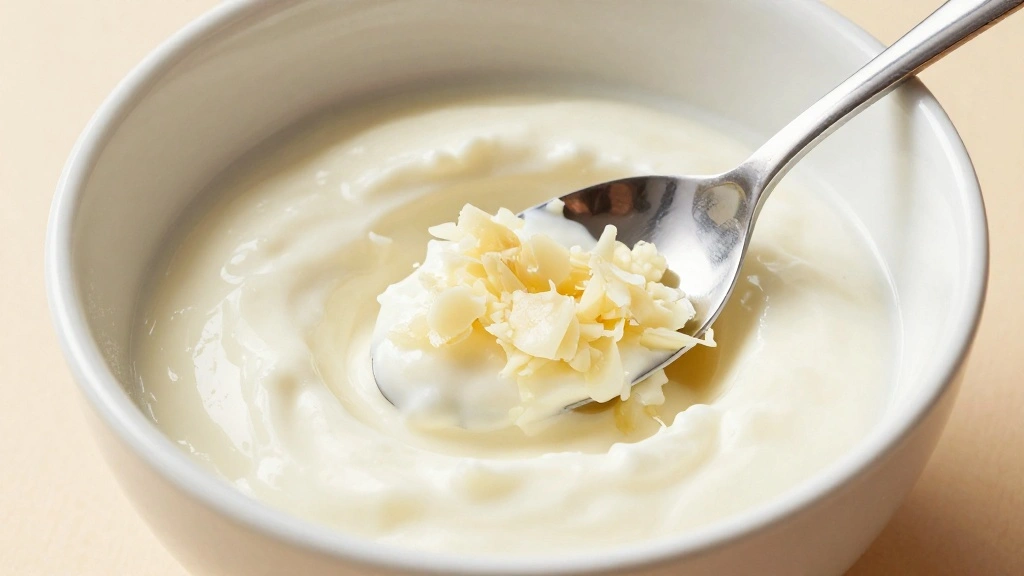
In a mixing bowl, combine Greek yogurt and minced garlic.
Stir gently to incorporate evenly.
Make sure there are no large garlic clumps.
This step begins integrating the base flavors.
Step 6: Add Cucumber and Seasonings
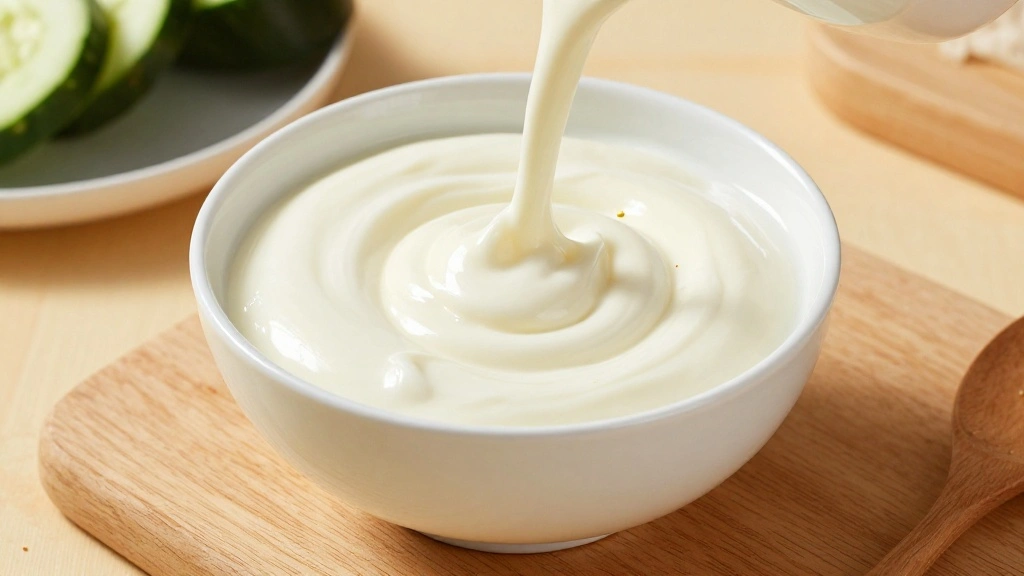
Fold drained cucumber into the yogurt mixture.
Add olive oil, dill, lemon juice, salt, and pepper.
Mix thoroughly to ensure even distribution.
This step builds the foundational flavors of the sauce.
Step 7: Rest the Sauce
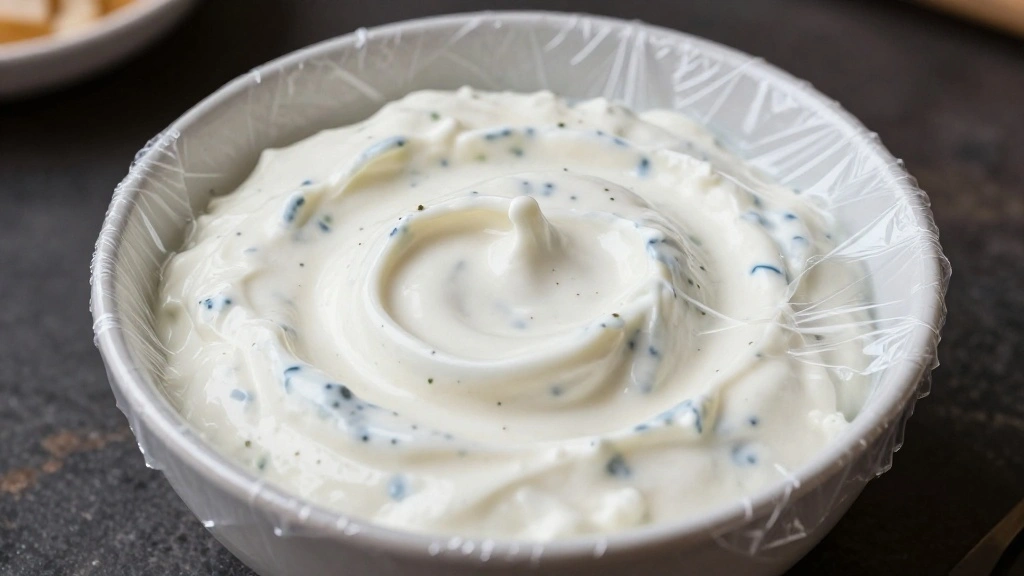
Cover the bowl with plastic wrap.
Refrigerate for at least 30 minutes.
This allows flavors to meld together.
Resting enhances the depth of the sauce's flavor.
Step 8: Serve and Enjoy
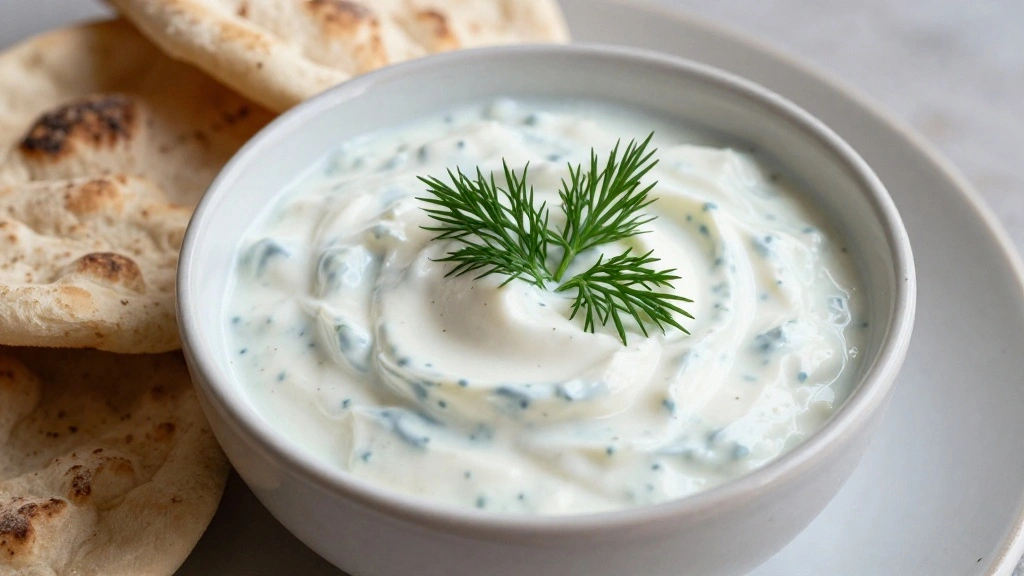
Remove the bowl from the refrigerator.
Give the sauce a final stir.
Serve chilled with pita bread or vegetables.
Enjoy the refreshing taste of homemade Tzatziki Sauce.
Critical Timing and Temperature Guide
Grating and Draining: Grate cucumbers finely and drain for at least 5 minutes to remove moisture. Watch for a dry texture, avoiding sogginess from excess water.
Flavor Resting: Refrigerate the mixed sauce for at least 30 minutes. This ensures flavors fully integrate, resulting in a balanced taste. Avoid serving immediately, as flavors may not be well-developed.
Serving Temperature: Serve the sauce chilled. A cold Tzatziki provides a refreshing contrast, especially when paired with warm dishes. Avoid room temperature as it may lose its refreshing quality.
Pro Tips for Homemade Tzatziki Sauce:
• Ingredient Selection: Choose thick, full-fat Greek yogurt for best results, as it provides the necessary creaminess and tangy flavor.
• Preparation Secret: Use fresh dill instead of dried, as it significantly enhances the herbal aroma and flavor.
• Temperature Management: Ensure all ingredients, especially yogurt, are chilled before mixing to maintain the sauce's refreshing quality.
• Texture Enhancement: Properly drain cucumbers to prevent a watery sauce, achieving the ideal creamy texture.
• Flavor Layering: Layer flavors by mixing garlic into the yogurt first, then adding cucumber and seasonings to build complexity.
• Make-Ahead Strategies: Prepare the sauce a day in advance to allow flavors to fully develop. Store in an airtight container in the refrigerator.
• Restaurant-Quality Finishing Touches: Drizzle a bit of high-quality olive oil on top before serving to enhance richness and presentation.
• Equipment Optimization: If unavailable, replace a fine grater with a food processor's grating attachment for consistency.
Troubleshooting Common Issues
• Sauce Too Watery: This is typically caused by inadequately draining the cucumber. Recognize it by a runny texture and correct by squeezing more liquid from cucumbers before mixing.
• Flavors Unbalanced: Overpowering garlic or dill can disrupt balance. Recognize through taste testing and adjust by adding more yogurt or lemon juice to mellow the flavors.
• Grainy Texture: This can occur from using low-fat yogurt. Recognize by a less creamy consistency and correct by switching to full-fat Greek yogurt.
• Too Sour: Excessive lemon juice can make the sauce too tangy. Recognize by taste and balance by incorporating additional olive oil or a small amount of sugar.
• Lack of Herb Flavor: Using dried dill instead of fresh can cause this. Recognize by a weak herbal note and resolve by adding fresh dill or increasing the amount used.
Variations and Regional Differences
• Turkish Cacik: Similar to Tzatziki but with a thinner consistency, often served as a soup. It uses mint instead of dill, reflecting regional herb preferences.
• Middle Eastern Labneh: This version incorporates strained yogurt with a thicker texture, often garnished with za'atar or sumac for a different flavor profile.
• Bulgarian Snezhanka: Features a thicker consistency using strained yogurt, with walnuts added for crunch, showing the influence of local ingredients.
• Cypriot Ttaltzi: A Cyprus variation that includes grated cucumbers mixed with yogurt, similar to Tzatziki but often includes vinegar for extra tang.
Food Science Behind the Recipe
• Emulsification: The combination of yogurt and olive oil creates an emulsion, which stabilizes the sauce and impacts its creamy texture.
• Enzymatic Browning: Garlic contains enzymes that can cause browning. Understanding this helps prevent discoloration by using freshly minced garlic.
• Acid-Base Reaction: The lemon juice's acidity helps balance pH levels in the yogurt, affecting taste and preservation. Knowing this assists in achieving the desired tanginess.
Frequently Asked Questions
What's the most common mistake people make when preparing Tzatziki Sauce? The most common mistake is not draining the cucumber properly, resulting in a watery sauce.
Can I use regular yogurt instead of Greek yogurt? Greek yogurt is preferred for its thickness and tang, but regular yogurt can be used if strained to remove excess whey.
How long can I store homemade Tzatziki Sauce? Properly stored in an airtight container in the refrigerator, it can last up to 3-4 days.
What can I serve with Tzatziki Sauce? It pairs well with grilled meats, fresh vegetables, or as a dip for pita bread.
Is it possible to make Tzatziki Sauce vegan? Yes, substitute Greek yogurt with a plant-based yogurt alternative, ensuring it's thick and unsweetened.
Why does my Tzatziki Sauce taste bland? This could be due to under-seasoning. Adjust salt, garlic, and lemon juice to enhance flavors.
Can I freeze Tzatziki Sauce? Freezing is not recommended as it can alter the texture and flavor upon thawing.
Serving and Presentation Guide
• Traditional Presentation: Serve Tzatziki in a shallow bowl, drizzled with olive oil, and garnished with a sprig of fresh dill.
• Modern Appetizer Plate: Pair with grilled pita wedges and an assortment of fresh vegetables for a colorful appetizer platter.
• Gourmet Style: Use a small ramekin for individual servings, accompanied by thinly sliced cucumbers and olives for a sophisticated touch.
• Buffet Presentation: Serve in a large bowl with a variety of dipping options such as breadsticks, carrot sticks, and celery.
Conclusion
Creating your own Tzatziki Sauce is a rewarding culinary experience that brings a taste of Greece to your kitchen.
With its refreshing flavors and creamy texture, it's a versatile condiment ideal for many dishes.
Try this easy homemade version, and you'll see why Tzatziki is a staple in Mediterranean cuisine.