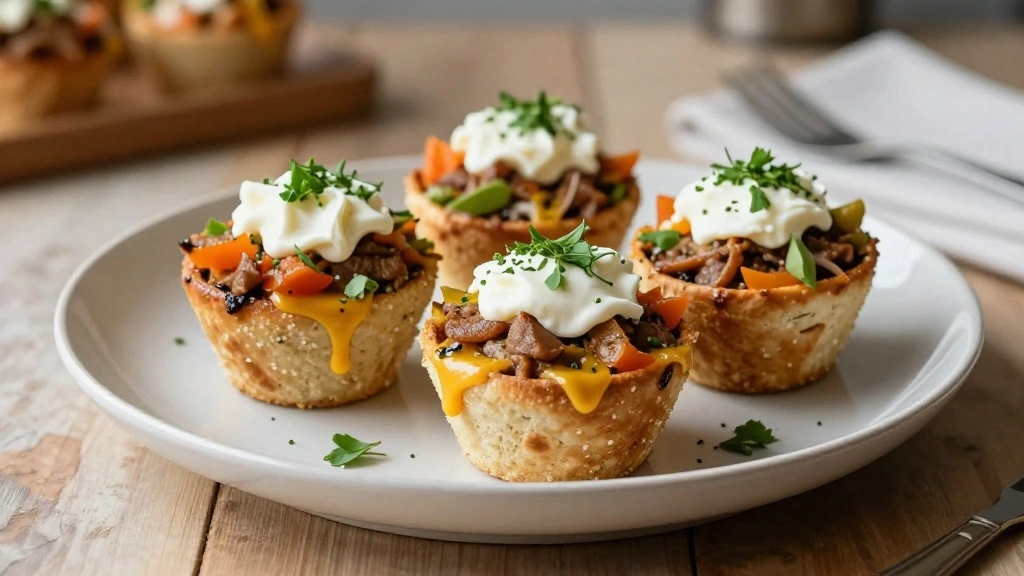
Philly Cheesesteak Bowls are a delightful twist on the classic Philly cheesesteak sandwich, offering all the flavors you love without the carbs.
The tender beef, melty cheese, and vibrant vegetables create a symphony of flavors that is both satisfying and comforting.
This dish is perfect for those looking to enjoy a low-carb meal without sacrificing taste and satisfaction.
With just 30 minutes of cooking time, it’s an ideal choice for busy weeknights or a quick lunch.
The bowls capture the essence of the beloved Philly cheesesteak while fitting into a healthier lifestyle.
Whether you’re a fan of the original or new to the concept, these bowls are sure to become a staple in your meal rotation.
The History and Cultural Significance
• Philly Cheesesteak Bowls trace their origins to Philadelphia in the early 20th century, where the original sandwich was created by Pat Olivieri, a hot dog vendor.
• The dish evolved over decades as variations emerged, substituting the traditional hoagie roll with a low-carb bowl while maintaining the core ingredients of beef, cheese, and onions.
• In Philadelphia, this dish traditionally appears at sporting events and local eateries, symbolizing regional pride and culinary innovation.
• While many variations exist across different regions, the authentic version maintains the use of thinly sliced beef, onions, and cheese that sets it apart from imitations.
Recipe Overview
Nutritional Information (per serving)
Essential Equipment Guide
Cast Iron Skillet: A cast iron skillet is crucial for achieving the perfect sear on the beef, enhancing flavor and texture. While non-stick pans can substitute, they won’t provide the same depth of flavor. Look for a well-seasoned skillet to prevent sticking.
Sharp Chef’s Knife: A sharp chef’s knife is essential for thinly slicing the beef, which is key to the authentic texture. Alternatives include a meat slicer or mandoline, but ensure they are capable of precise cuts.
Mixing Bowls: Mixing bowls are necessary for preparing and combining ingredients efficiently. Opt for stainless steel or glass bowls for durability and ease of cleaning.
Ingredients
For the Base
|
|
| Amount | Ingredient | Notes |
|---|---|---|
| 1 pound | ribeye steak | thinly sliced for tenderness |
| 1 tablespoon | olive oil | for searing |
Vegetables
| Amount | Ingredient | Notes |
|---|---|---|
| 1 large | onion | sliced thinly |
| 1 large | green bell pepper | sliced thinly |
| 1 large | red bell pepper | sliced thinly |
Seasonings
| Amount | Ingredient | Notes |
|---|---|---|
| 1 teaspoon | salt | enhances flavor |
| 1 teaspoon | black pepper | adds spice |
| 1 teaspoon | garlic powder | adds depth |
Cheese Sauce
| Amount | Ingredient | Notes |
|---|---|---|
| 1 cup | provolone cheese | shredded for melting |
| 1/2 cup | heavy cream | adds richness |
| 1 tablespoon | butter | smoothness |
Preparation Methods
Thin Slicing: Thinly slicing the ribeye is essential for quick cooking and tender bites. Use a sharp knife and partially freeze the meat for easier slicing. Master this technique by ensuring even thickness to avoid uneven cooking.
Searing: Searing the beef in a hot skillet locks in juices and creates a flavorful crust. Heat your skillet until it’s smoking hot, then add the meat in a single layer. Avoid overcrowding to ensure even searing.
Cheese Melting: Melting cheese involves gentle heat to avoid separation. Combine cheese and cream over low heat, stirring continuously. This ensures a smooth, creamy sauce without clumps.
Step 1: Prepare Ingredients
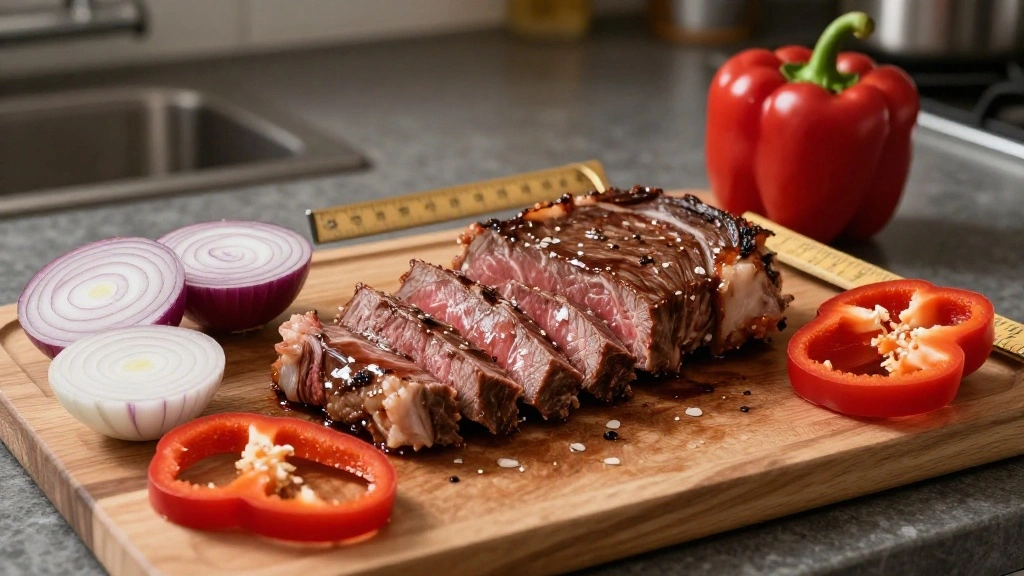
Gather all ingredients and equipment needed for the recipe.
Slice the ribeye steak thinly for even cooking.
Cut onions and bell peppers into thin strips.
Measure out seasonings and cheese sauce ingredients.
Step 2: Preheat Skillet
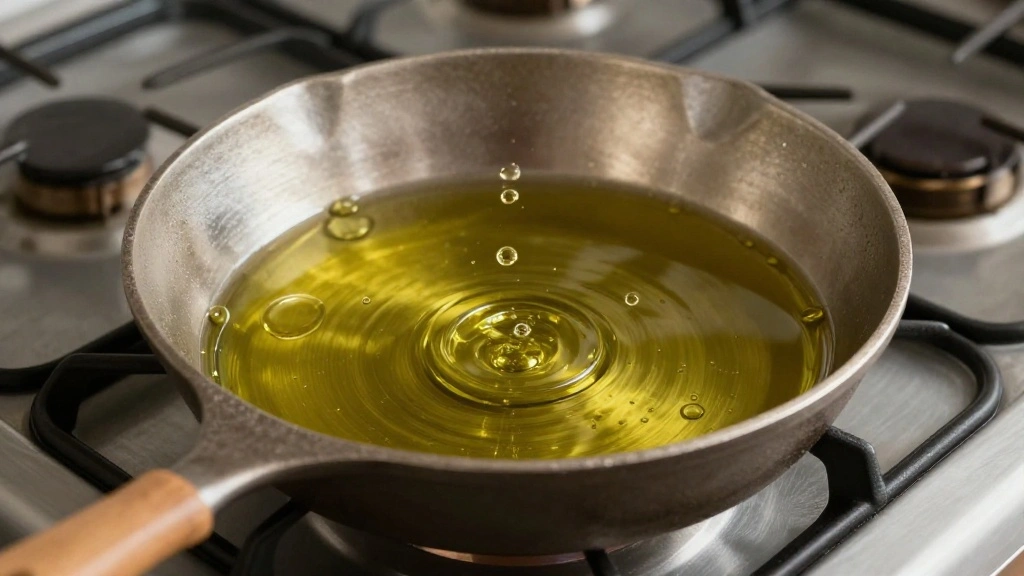
Place a cast iron skillet on the stove over high heat.
Add olive oil and heat until it starts to shimmer.
Ensure the skillet is hot enough to sear the meat quickly.
This step sets the stage for developing rich flavors.
Step 3: Sear the Beef
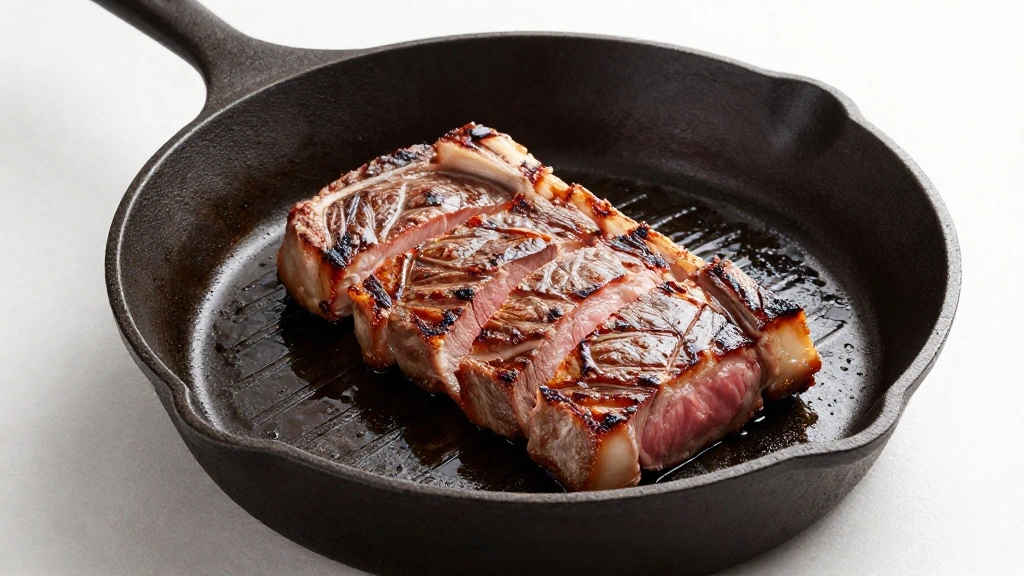
Add sliced ribeye to the hot skillet in batches.
Cook each side for 1-2 minutes until browned.
Remove the beef from the skillet and set aside.
Ensure not to overcrowd the skillet to maintain heat.
Step 4: Cook Vegetables
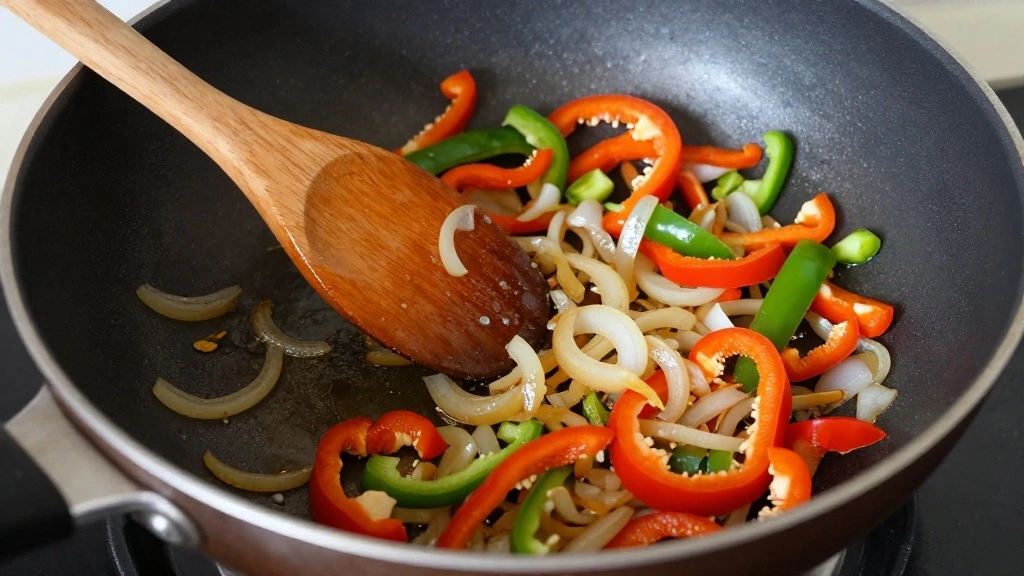
In the same skillet, add onions and bell peppers.
Sauté until the onions are translucent and peppers are tender.
Season with salt, pepper, and garlic powder.
Stir occasionally to prevent sticking.
Step 5: Make Cheese Sauce
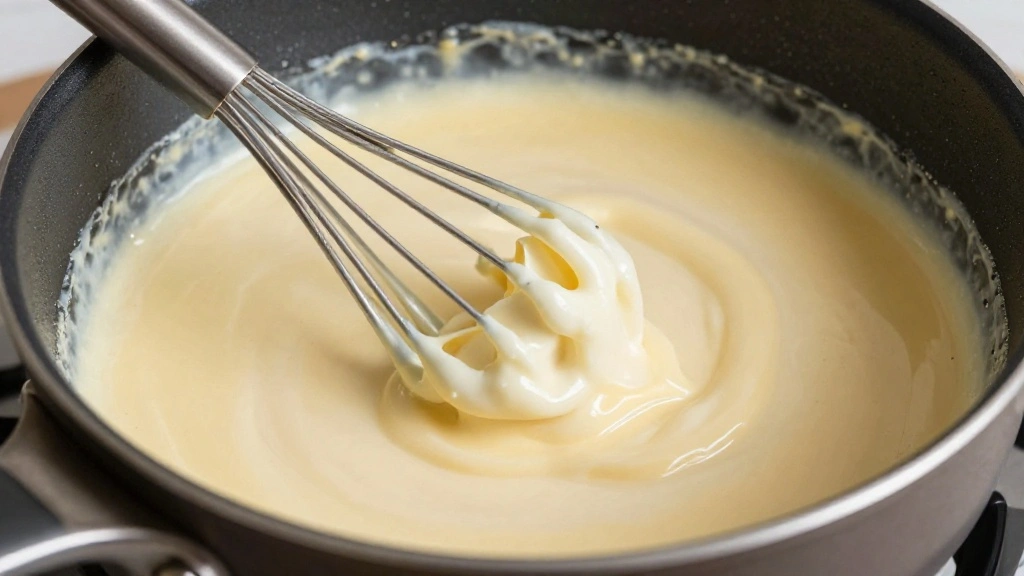
In a small saucepan, combine shredded provolone and heavy cream.
Heat over low, stirring constantly until smooth.
Add butter for extra creaminess.
Avoid high heat to prevent the sauce from separating.
Step 6: Assemble Bowls
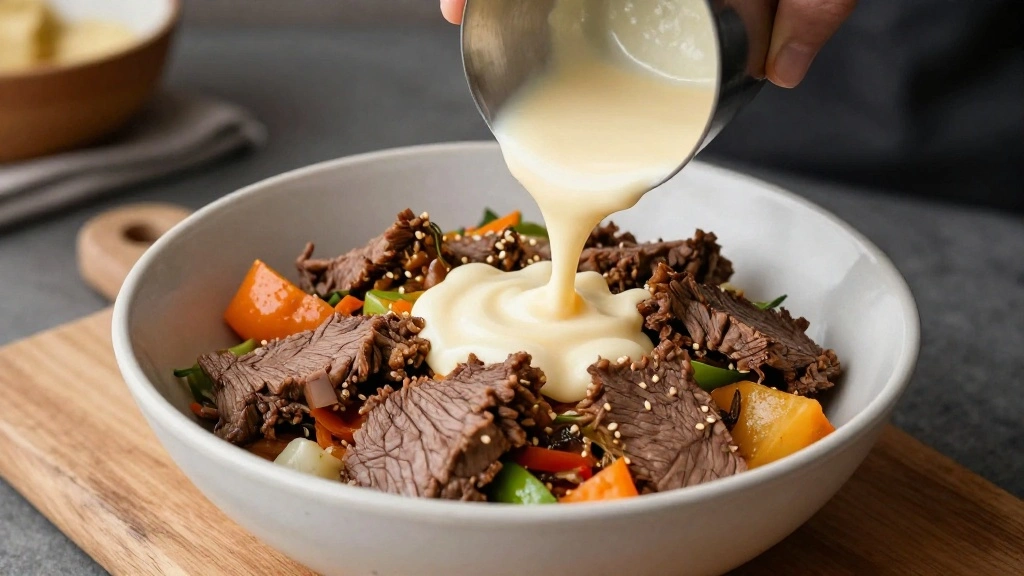
Divide seared beef evenly among four bowls.
Top with sautéed onions and peppers.
Drizzle cheese sauce generously over each bowl.
Adjust seasoning if necessary.
Step 7: Garnish and Serve
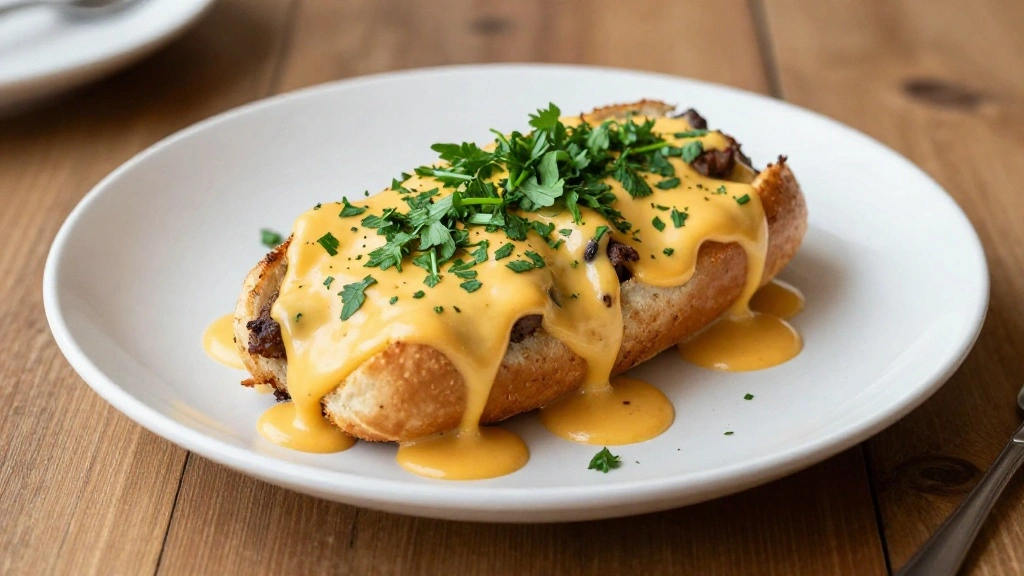
Garnish each bowl with fresh parsley or chives.
Serve immediately while hot for best flavor.
Pair with a side salad if desired.
Enjoy the rich flavors of a classic in a healthier form.
Step 8: Clean Up
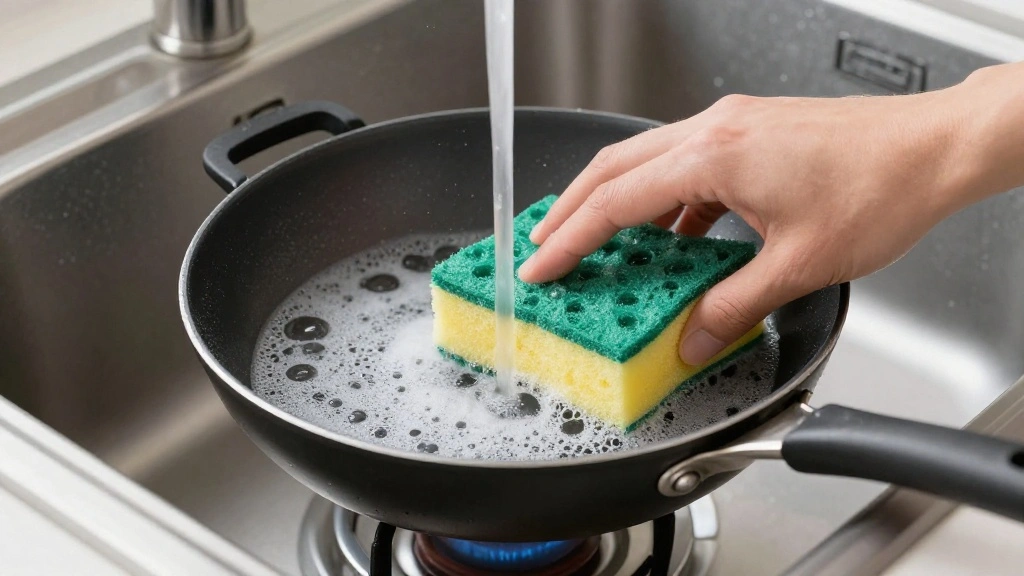
Allow cookware to cool before washing.
Use warm soapy water to clean the skillet and saucepan.
Dry thoroughly to prevent rust on cast iron.
Store remaining ingredients properly for future use.
Critical Timing and Temperature Guide
Searing Beef: Sear beef slices for 1-2 minutes per side over high heat. Look for a deep brown crust as a visual indicator. Avoid low heat, which can result in steaming instead.
Cooking Vegetables: Sauté onions and peppers for 5-7 minutes over medium heat until onions are translucent and peppers are tender. Avoid high heat that can burn vegetables.
Melting Cheese: Melt cheese over low heat, taking 3-5 minutes. Stir continuously until smooth and creamy. Avoid boiling the mixture to prevent separation.
Pro Tips for Philly Cheesesteak Bowls:
• Ingredient Selection: Choose well-marbled ribeye steak for the juiciest and most flavorful meat, and fresh, colorful bell peppers for vibrant taste and appearance.
• Preparation Secret: Partially freeze the steak before slicing to achieve thinner, more even slices.
• Temperature Management: Ensure the skillet is hot before searing to lock in juices and create a flavorful crust.
• Texture Enhancement: Sauté vegetables until just tender for a pleasing contrast to the soft cheese sauce.
• Flavor Layering: Season vegetables during cooking and add garlic powder to enhance depth.
• Make-Ahead Strategies: Prepare and slice all ingredients in advance, storing them in airtight containers in the fridge for up to 24 hours.
• Restaurant-Quality Finishing Touches: Garnish with freshly chopped herbs like parsley for a pop of color and freshness.
• Equipment Optimization: Use the heaviest skillet available for even heat distribution and optimal searing results.
Troubleshooting Common Issues
• Beef Too Tough: Overcooking can lead to tough beef. Ensure quick searing at high heat and thin slicing.
• Sauce Too Thick: If the cheese sauce is too thick, add more cream and stir over low heat to achieve the desired consistency.
• Vegetables Under-cooked: If vegetables are still crunchy, extend cooking time over medium heat while stirring occasionally.
• Sauce Separation: This can occur if the heat is too high. Keep stirring over low heat to emulsify.
• Flavors Unbalanced: Adjust seasoning after assembling bowls to taste, adding more salt or pepper as needed.
• Skillet Sticking: Ensure the skillet is well-oiled and preheated before adding ingredients to prevent sticking.
Variations and Regional Differences
• California Style: Incorporates avocado and sprouts for a fresh, West Coast twist on the classic.
• Spicy Variation: Adds jalapeños and a dash of hot sauce to the cheese sauce for extra heat.
• Vegetarian Option: Substitute beef with portobello mushrooms and add extra vegetables for a hearty, meat-free version.
• Italian Influence: Uses mozzarella cheese and adds marinara sauce for an Italian-inspired take on the dish.
Food Science Behind the Recipe
• Maillard Reaction: This chemical reaction occurs when searing the beef, creating complex flavors and a delicious crust.
• Emulsion: The cheese sauce relies on emulsification to blend fats and liquids smoothly, preventing separation.
• Heat Transfer: Using a cast iron skillet ensures even heat distribution, critical for proper searing and sautéing.
Frequently Asked Questions
What's the most common mistake people make when preparing Philly Cheesesteak Bowls? Overcooking the beef is the most common mistake. Ensure quick searing at high heat for tender results.
Can I use a different cut of beef? Yes, you can use sirloin or flank steak as alternatives, but ribeye provides the best flavor and tenderness.
How can I make this dish gluten-free? This recipe is naturally gluten-free, but always check labels for any hidden gluten in seasonings or cheese.
Can I prepare this dish in advance? Yes, prep ingredients ahead of time and store them separately. Assemble and heat just before serving.
What can I use instead of provolone cheese? Mozzarella or cheddar can be used as substitutes, though they will alter the flavor profile slightly.
Why is my cheese sauce separating? Overheating can cause separation. Keep the heat low and stir continuously for a smooth sauce.
Is there a vegetarian version of this recipe? Yes, substitute mushrooms for beef and increase the vegetable portion for a satisfying vegetarian bowl.
Serving and Presentation Guide
• Traditional Presentation: Serve in individual bowls with a generous drizzle of cheese sauce over the top.
• Family Style: Present components separately on a large platter, allowing diners to assemble their own bowls.
• Gourmet Style: Arrange ingredients artistically in a shallow bowl, drizzling sauce in a spiral pattern.
• Casual Style: Serve in deep bowls with a side of toasted low-carb bread for dipping into the sauce.
Conclusion
Philly Cheesesteak Bowls offer a delicious, low-carb alternative to a classic favorite.
With simple ingredients and quick preparation, they're perfect for any meal occasion.
Try this recipe and savor the rich flavors and satisfying textures in every bite.
Share with friends and family to introduce them to a healthier twist on a beloved dish.