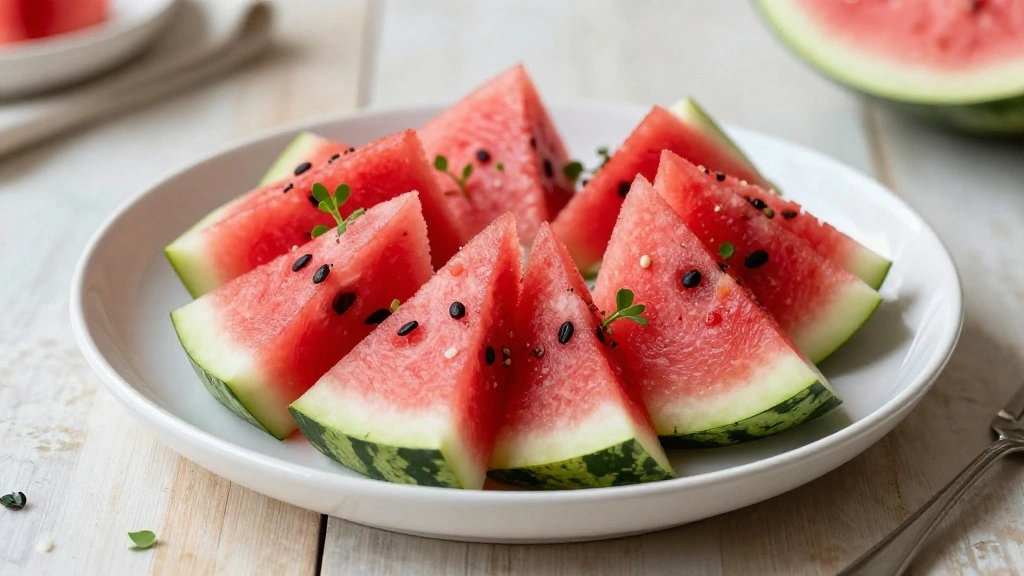
The sweet, refreshing taste of watermelon sorbet is the epitome of summer in a dessert.
Its vibrant color and icy texture make it an irresistible treat on scorching hot days.
I first fell in love with this recipe while visiting a quaint coastal town where locals swore by its cooling properties.
This sorbet perfectly balances the natural sweetness of watermelon with a hint of tanginess, leaving you refreshed and satisfied.
Whether you’re hosting a summer BBQ or looking for a guilt-free dessert, watermelon sorbet is the ultimate choice.
Give this recipe a try and discover a new favorite that’s as easy to make as it is delicious.
The History and Cultural Significance
• Watermelon Sorbet traces its origins to ancient Egypt, where it was originally created as a way to enjoy the abundant local fruit during hot summers.
• The dish evolved over decades as techniques for freezing and preserving ingredients improved, eventually becoming the beloved version we know today.
• In Italy, this dish traditionally appears at summer gatherings and festivals, symbolizing the joy and abundance of the season.
• While many variations exist across different regions, the authentic version maintains a smooth, icy texture that sets it apart from imitations.
Recipe Overview
Nutritional Information (per serving)
Essential Equipment Guide
Blender: A high-powered blender is essential for achieving the smoothest texture. While a food processor can work, a blender ensures that the watermelon is completely pureed.
Ice Cream Maker: This tool is crucial for churning the sorbet to perfection, preventing ice crystals from forming. If you don’t have one, you can use a shallow baking dish and stir the mixture every 30 minutes as it freezes.
Fine Mesh Sieve: This is important for straining the watermelon puree to remove seeds and pulp, ensuring a silky smooth sorbet.
Ingredients
For the Sorbet Base
|
|
| Amount | Ingredient | Notes |
|---|---|---|
| 5 cups | watermelon | cubed, seeds removed |
| 1/2 cup | granulated sugar | dissolved for sweetness |
| 2 tablespoons | lime juice | adds tanginess |
| 1 pinch | salt | enhances flavor |
Preparation Methods
Pureeing: Pureeing is crucial for breaking down the watermelon into a smooth liquid. Ensure your blender is powerful enough to handle this task, and blend until no chunks remain.
Churning: This process is essential for creating a light and airy texture. The churning incorporates air, preventing large ice crystals from forming and giving the sorbet a creamy consistency.
Straining: To achieve a smooth texture, strain the pureed watermelon through a fine mesh sieve. This step removes any remaining seeds or pulp that can affect the final texture.
Step 1: Prepare Ingredients
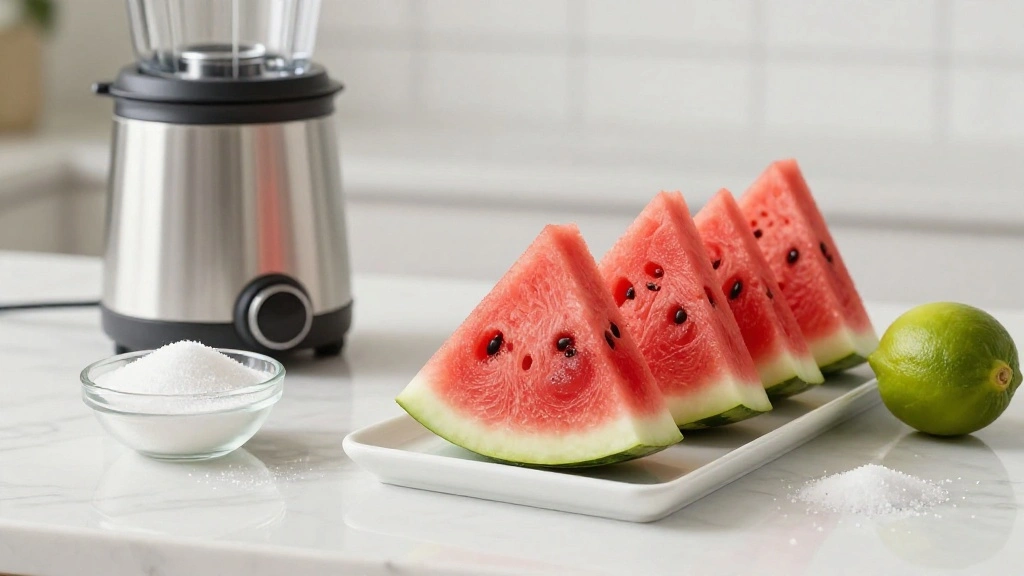
Gather all ingredients and equipment.
Ensure watermelon is cubed and seeds are removed.
Set up your blender, ice cream maker, and sieve within reach.
Measure out sugar, lime juice, and salt.
Step 2: Blend the Watermelon
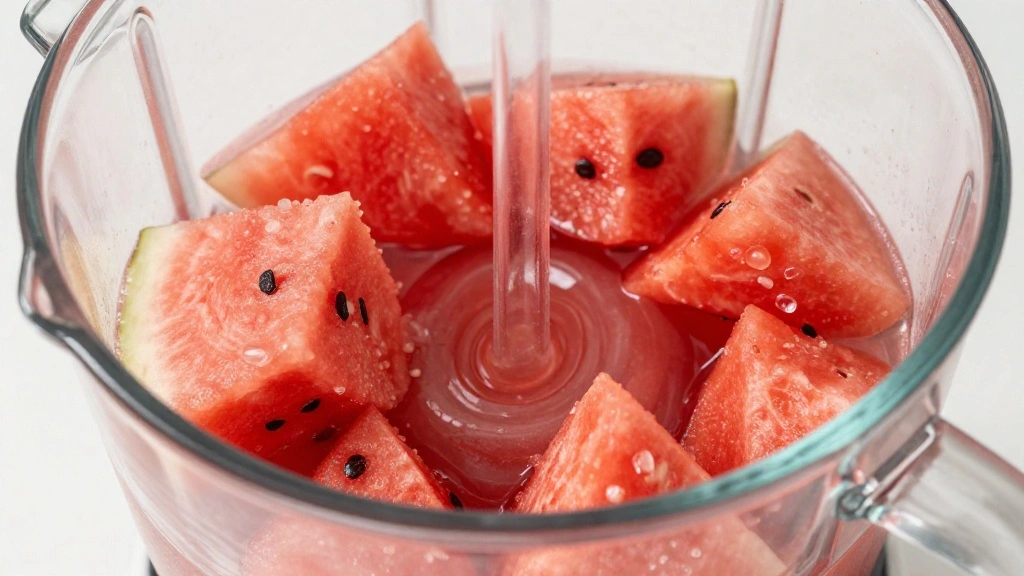
Add watermelon cubes to the blender.
Blend on high speed until smooth and liquid.
Check for any remaining chunks and blend again if necessary.
Ensure the mixture is completely smooth before proceeding.
Step 3: Strain the Puree
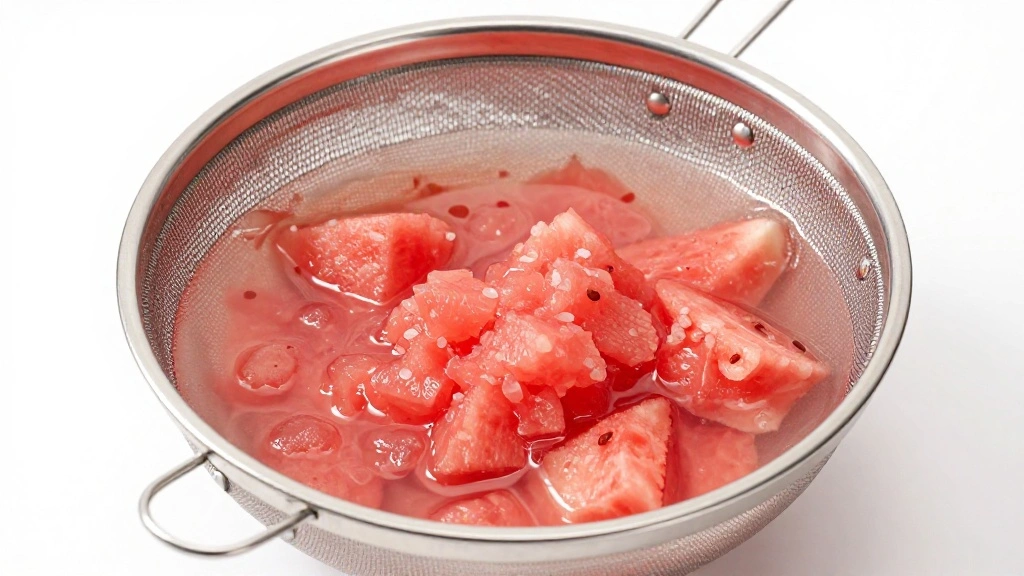
Place a fine mesh sieve over a large bowl.
Pour the watermelon puree into the sieve.
Use a spoon to press the liquid through, leaving pulp behind.
Collect all the smooth juice in the bowl.
Step 4: Sweeten the Puree
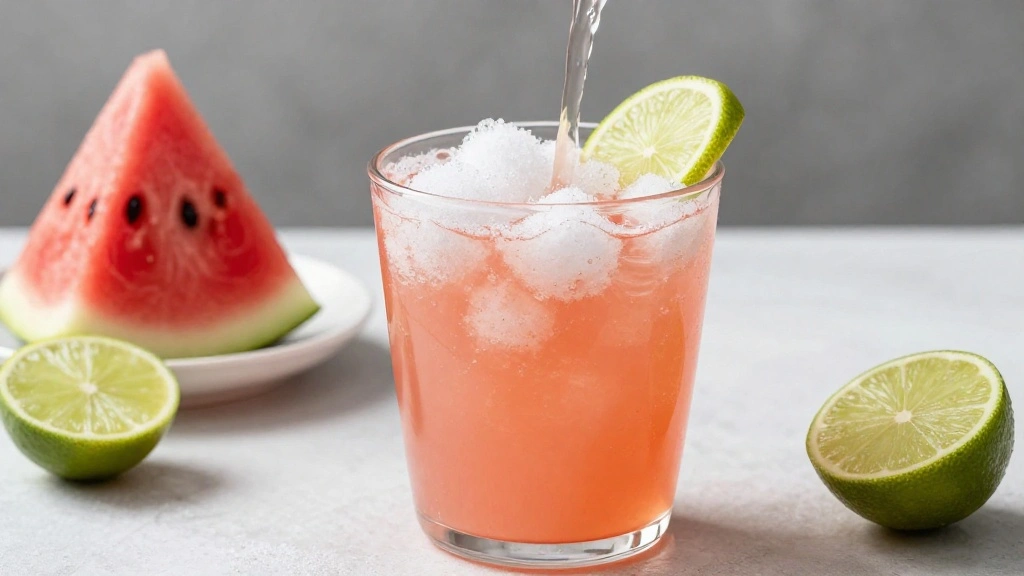
Add sugar and lime juice to the strained watermelon juice.
Stir until the sugar is fully dissolved.
Ensure the mixture is uniformly sweet and tangy.
Adjust sweetness if necessary, based on taste.
Step 5: Chill the Mixture
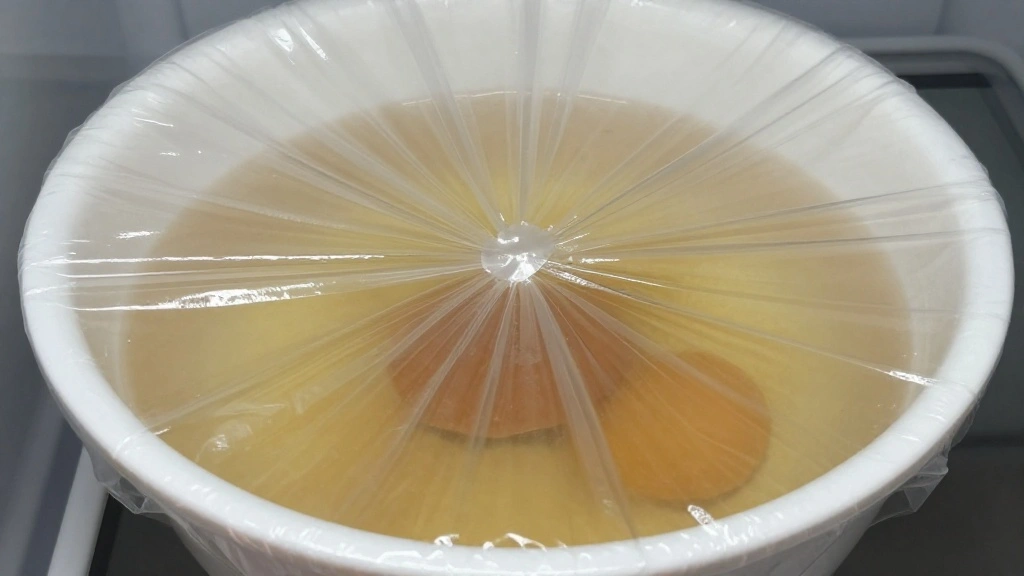
Cover the bowl with plastic wrap.
Place in the refrigerator for at least one hour.
Chill until the mixture is cold but not frozen.
This step ensures faster churning in the ice cream maker.
Step 6: Churn the Sorbet
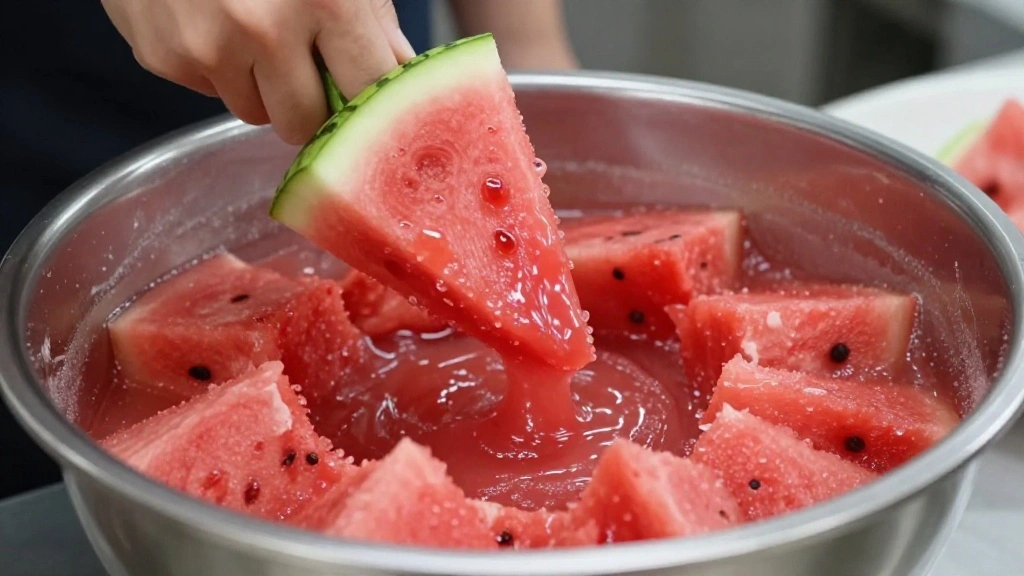
Pour the chilled mixture into the ice cream maker.
Set the machine to churn for about 20 minutes.
Watch as the sorbet thickens and takes on a creamy texture.
Stop churning once the desired consistency is reached.
Step 7: Freeze the Sorbet
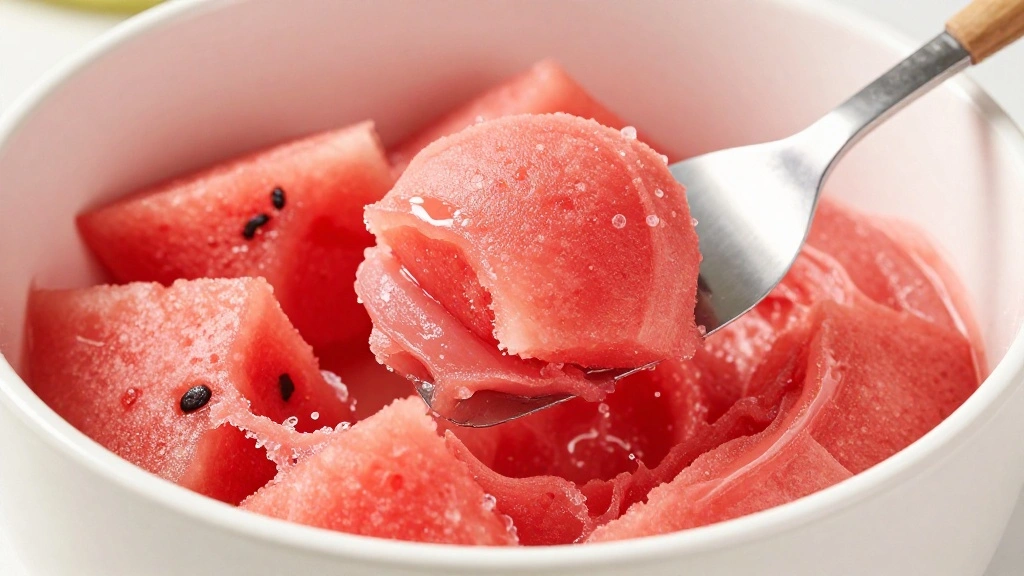
Transfer the churned sorbet into an airtight container.
Smooth the top with a spatula.
Place in the freezer for at least two hours to firm up.
Ensure the sorbet is solid before serving.
Step 8: Serve and Enjoy
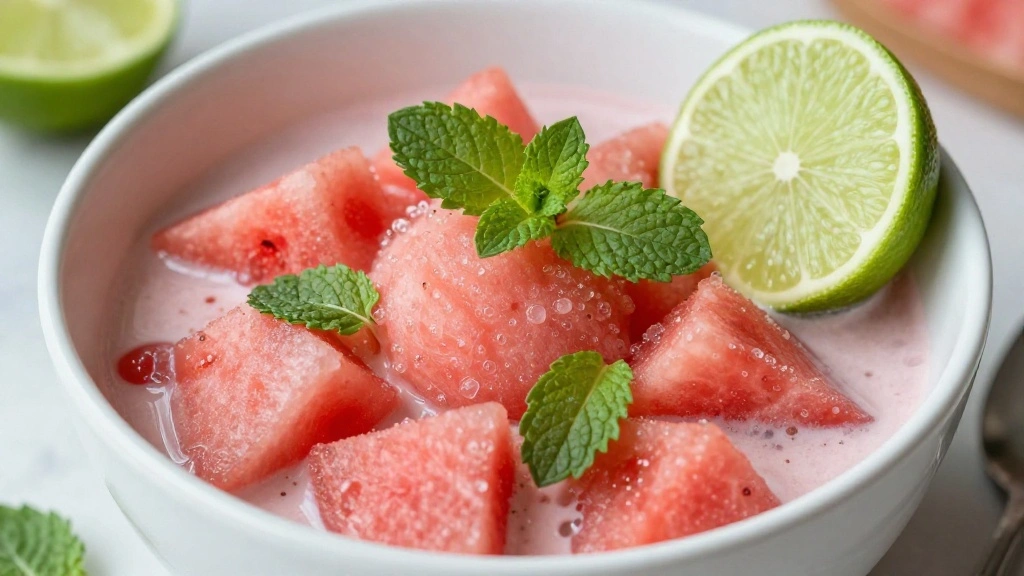
Remove the sorbet from the freezer a few minutes before serving.
Use an ice cream scoop to portion into bowls.
Garnish with mint leaves or lime wedges for extra flair.
Serve immediately and enjoy the refreshing treat.
Critical Timing and Temperature Guide
Chilling the Mixture: Chill for at least an hour at 4°C (39°F). Ensure the mixture is cold to the touch without freezing, which helps in faster and more efficient churning.
Churning the Sorbet: Churn for 15-20 minutes at -3°C (27°F). Look for a thick, creamy consistency. Avoid over-churning, as it can lead to a dense texture.
Freezing the Sorbet: Freeze for at least two hours at -18°C (0°F). The sorbet should be firm yet scoopable. Avoid opening the freezer frequently, which can alter the texture.
Pro Tips for Watermelon Sorbet
• Ingredient Selection: Choose a ripe, seedless watermelon for the best flavor and texture. The natural sweetness is key to a perfect sorbet.
• Preparation Secret: Use a small amount of vodka (1-2 tablespoons) in the mixture to prevent it from freezing too hard.
• Temperature Management: Always chill the mixture thoroughly before churning to ensure a smooth texture.
• Texture Enhancement: Add a tablespoon of corn syrup to the mixture to help maintain a soft, scoopable texture.
• Flavor Layering: Incorporate fresh herbs like mint or basil during the blending process for an extra layer of flavor.
• Make-Ahead Strategies: You can prepare the mixture a day in advance and store it in the refrigerator. Churn and freeze the day you plan to serve.
• Restaurant-Quality Finishing Touches: Garnish with a sprinkle of flaky sea salt just before serving to enhance the sweetness.
• Equipment Optimization: Ensure your ice cream maker is cold enough before starting. Pre-freeze the bowl for at least 24 hours.
Troubleshooting Common Issues
• Texture Too Dense: This occurs when the sorbet is over-churned or not enough air is incorporated. To fix it, churn for the recommended time only and ensure the mixture is cold enough before churning.
• Ice Crystals Forming: Typically caused by insufficient churning or too much water in the watermelon. Make sure to strain the puree well and churn thoroughly.
• Flavor Too Bland: Occurs when the watermelon is not ripe enough. Add more lime juice or a pinch of salt to enhance the flavors.
• Sorbet Too Hard: This happens if the sorbet is frozen for too long or at too low a temperature. Allow it to sit at room temperature for a few minutes before serving.
• Sorbet Not Setting: If the sorbet remains slushy, the freezer temperature might be too high. Ensure the freezer is set to the appropriate temperature.
• Uneven Freezing: This can occur if the sorbet is not spread evenly in the container before freezing. Smooth out the top before placing it in the freezer.
Variations and Regional Differences
• Italian Granita: Unlike the smooth sorbet, granita is coarser and made by freezing the mixture in a shallow pan, then scraping it with a fork every 30 minutes.
• Mexican Agua Fresca Style: This version incorporates spicy ingredients like jalapeños or chili powder for a sweet-heat combination.
• French Sorbet: Often includes a splash of alcohol, like Cointreau, for added depth and to lower the freezing point.
• Asian Inspired: Infused with flavors like ginger or lemongrass, providing a refreshing twist with subtle spice notes.
Food Science Behind the Recipe
• Freezing Point Depression: Adding sugar and a small amount of alcohol lowers the freezing point, resulting in a softer, more scoopable sorbet.
• Emulsification: Blending the watermelon creates an emulsion, which helps distribute the sugar evenly and maintains a consistent texture.
• Crystallization Control: Churning prevents large ice crystal formation, ensuring a smooth texture by continuously moving the mixture as it freezes.
Frequently Asked Questions
What's the most common mistake people make when preparing watermelon sorbet? The most common mistake is not chilling the mixture sufficiently before churning, which can lead to a grainy texture.
Can I make this recipe without an ice cream maker? Yes, you can use a shallow dish and stir the mixture every 30 minutes until frozen.
How long can I store watermelon sorbet? It can be stored in an airtight container in the freezer for up to two weeks.
Why is my sorbet too icy? This is typically due to insufficient churning or too much water content in the puree.
What can I use to sweeten the sorbet if I don't want to use sugar? Alternatives like honey or agave syrup can be used, but they may slightly alter the flavor and texture.
Can I add other fruits to this sorbet? Yes, fruits like strawberries or raspberries can complement the watermelon, but adjust the sugar accordingly.
How do I know when the sorbet is done churning? It should have a thick but soft consistency, similar to soft-serve ice cream.
Why does my sorbet taste flat? This can happen if the watermelon is not ripe. Adding more lime juice or a pinch of salt can help enhance the flavor.
Serving and Presentation Guide
• Traditional Presentation: Serve the sorbet in chilled bowls with a sprig of fresh mint for a classic touch.
• Gourmet Style: Present in a martini glass with a lime wedge on the rim and a sprinkle of sea salt.
• Family-Style: Scoop into a large serving bowl for everyone to share, garnished with mixed berries for added color.
• Minimalist: Serve a single scoop on a plain white plate with a drizzle of honey for a modern look.
Conclusion
Watermelon sorbet is a refreshing and delightful treat that's as enjoyable to make as it is to eat.
With its vibrant color and simple preparation, it’s the perfect way to cool down on a hot summer day.
Give this recipe a try, and you'll find yourself returning to it again and again for a taste of summer bliss.