As a parent, the transition from milk to solid foods can feel like a monumental step in your baby’s journey. This phase has me craving the perfect homemade baby food that not only nourishes but also excites little taste buds. I know how daunting it can be to navigate the world of baby purees, especially with so many opinions and options out there. That’s why I created this guide. It’s all about simplifying the process and making it enjoyable for you and your little one.
If you’re a new parent looking for easy, nutritious, and delicious homemade baby food recipes, this guide is for you. You want the best for your baby, and feeding them pureed foods is a big part of that. Here, you’ll find 15 simple recipes broken down by age, making it easier to introduce new flavors and textures at just the right time. From sweet potatoes to egg yolks, these recipes are not only nutritious but also fun to make and share with your little chef.
So, let’s dive into the wonderful world of homemade baby food! You’ll gain the confidence to whip up healthy purees that your child will love while also enjoying the process. With each recipe, you’ll find helpful tips and insights to ensure your baby gets the best start on their culinary adventure.
Key Takeaways
– Age-Appropriate Purees: Recipes are organized by age, starting with simple options like sweet potato and avocado for younger babies, ensuring safe introductions to solids.
– Nutritional Variety: Each puree offers a range of flavors and textures, helping your baby develop a taste for different foods and nutrients.
– Simple Ingredients: The recipes use easily accessible ingredients, making it convenient for you to prepare fresh meals without complicated shopping trips.
– Preparation Tips: Helpful advice is included for storing and handling baby food, so you can make batches ahead of time and reduce meal prep stress.
– Engagement and Fun: Making homemade baby food can be a lovely bonding experience, encouraging your little one to explore new tastes while having fun in the kitchen.
Contents
- 1. Sweet Potato Puree (4-6 Months)
- 2. Avocado Puree (6 Months)
- 3. Banana Puree (6 Months)
- 4. Carrot Puree (6-8 Months)
- 5. Pear Puree (6-8 Months)
- 6. Blueberry Puree (8-10 Months)
- 7. Pea Puree (8-10 Months)
- 8. Pumpkin Puree (8-10 Months)
- 9. Spinach Puree (8-10 Months)
- 10. Butternut Squash Puree (8-10 Months)
- 11. Mango Puree (10-12 Months)
- 12. Zucchini Puree (10-12 Months)
- 13. Quinoa Puree (10-12 Months)
- 14. Oatmeal Puree (10-12 Months)
- 15. Egg Yolk Puree (10-12 Months)
1. Sweet Potato Puree (4-6 Months)
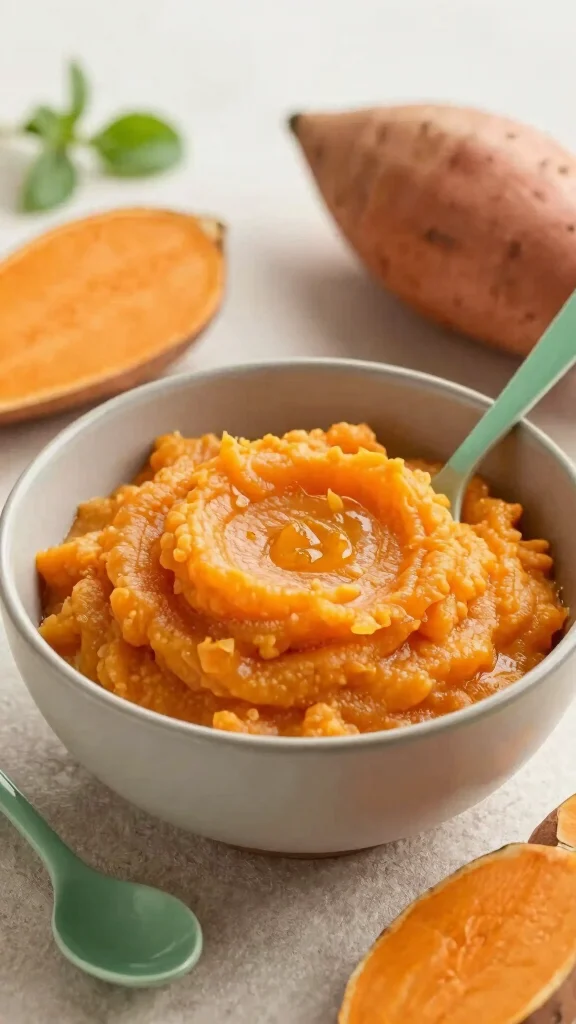
Craving a wholesome and nutritious first food for your baby? Look no further than Sweet Potato Puree. This vibrant dish is not only delicious but also filled with essential vitamins A and C that support your baby’s immune system. Its creamy texture is gentle on tiny tummies, making it an ideal choice for those early eating adventures.
Ingredients:
– 1 large sweet potato
Instructions:
1. Wash and peel the sweet potato.
2. Cut into small cubes for quicker cooking.
3. Boil or steam the sweet potato until tender, about 20 minutes.
4. Drain and transfer to a blender.
5. Blend until smooth, adding water or milk as needed to reach desired consistency.
6. Store in airtight containers in the fridge for up to 3 days.
– For added flavor, consider mixing in a pinch of cinnamon or nutmeg once your baby is ready for it!
– Sweet potatoes freeze well; you can make a larger batch and store it in ice cube trays for quick serving.
FAQs:
– Can I combine sweet potatoes with other fruits or veggies? Yes! Apples and carrots pair nicely.
– How do I know if my baby is ready for solids? Look for signs such as sitting up and showing interest in food.
2. Avocado Puree (6 Months)
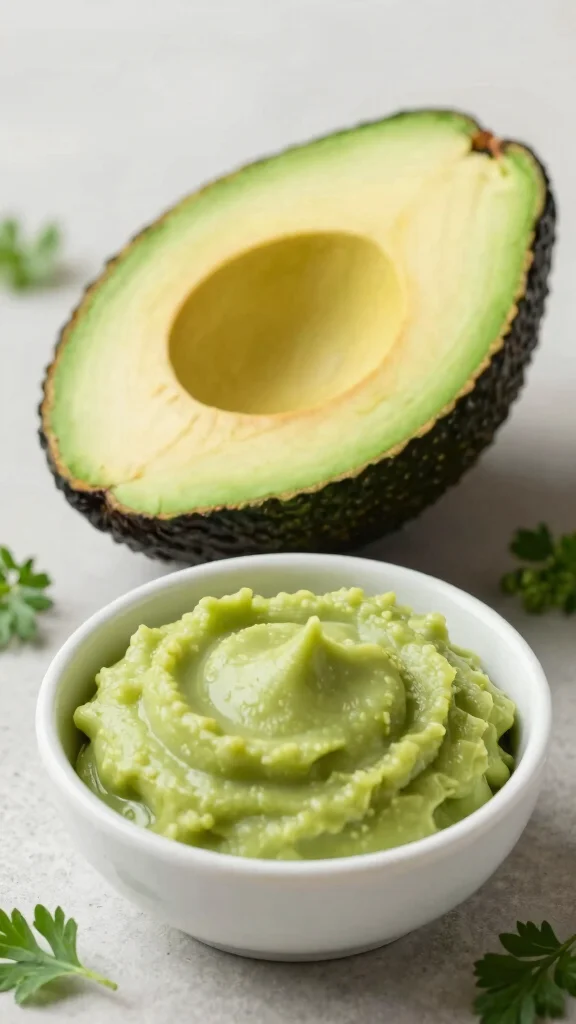
Looking for a rich and creamy option for your baby’s next meal? The delightful Avocado Puree is a fantastic choice! Loaded with healthy fats, avocados are perfect for brain development and overall growth. Plus, they’re incredibly easy to prepare, making mealtime a breeze.
Ingredients:
– 1 ripe avocado
Instructions:
1. Cut the avocado in half and remove the pit.
2. Scoop the flesh into a bowl.
3. Mash with a fork or blend for a smoother texture. You can add a little water or breastmilk if needed.
4. Serve immediately to prevent browning, or store in an airtight container for up to 24 hours in the fridge.
– Avocado puree can be mixed with banana for a sweet and creamy combination.
– Vibrant green avocado can also be frozen in ice cube trays for convenient portions.
FAQs:
– Can I introduce avocado before 6 months? It’s best to wait until your pediatrician gives you the go-ahead for solids.
– How do I prevent avocado from browning? A bit of lemon juice can help keep it fresh!
3. Banana Puree (6 Months)
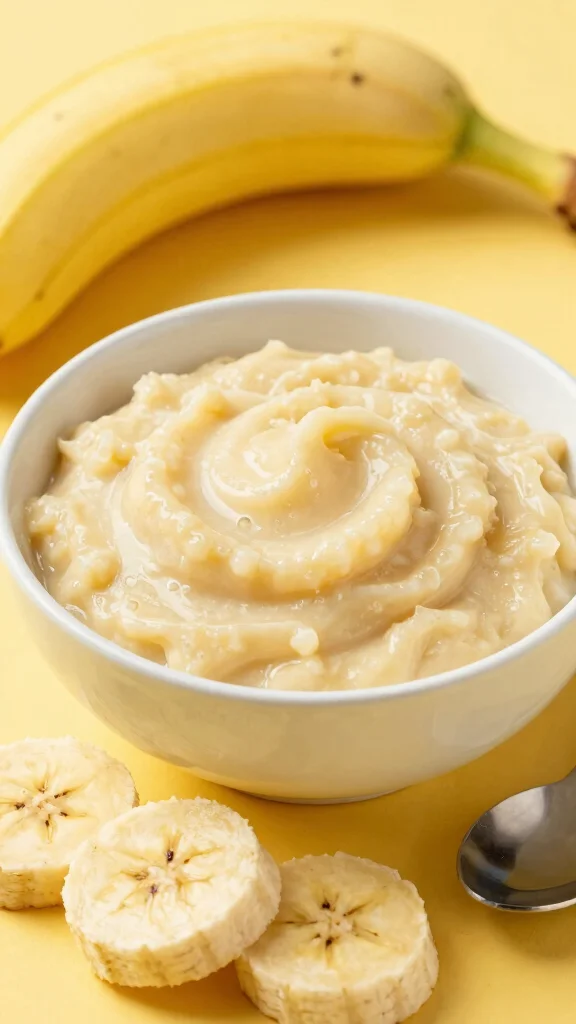
If you’re seeking a simple yet delightful option for your baby, Banana Puree is a must-try! Bananas are naturally sweet and come with a smooth consistency that’s easy to swallow. They’re also rich in potassium, which aids in muscle development and overall health.
Ingredients:
– 1 ripe banana
Instructions:
1. Peel the ripe banana and cut it into chunks.
2. Mash it with a fork until smooth, or use a blender for a silkier texture.
3. Serve immediately or store in the fridge for up to 24 hours.
– Mix with a bit of oatmeal for added texture and nutrition.
– Use very ripe bananas for the sweetest flavor!
FAQs:
– Can I freeze banana puree? Yes, but it may brown. Use it within a month for best quality.
– Is banana a common allergen? No, bananas are generally safe as a first food!
4. Carrot Puree (6-8 Months)

Bright and colorful, Carrot Puree is a wonderful addition to your baby’s diet! Packed with beta-carotene, this puree supports healthy vision and growth. The natural sweetness of carrots will appeal to little ones, and their vibrant hue is visually stimulating!
Ingredients:
– 2 large carrots
Instructions:
1. Peel and chop the carrots into small pieces.
2. Boil or steam them until very tender, about 15 minutes.
3. Drain and blend the carrots until smooth, adding a small amount of water if needed.
4. Allow to cool before serving.
– Combine with sweet potatoes for an extra flavorful mix!
– Freeze in ice cubes for easy portions.
FAQs:
– Can I add seasoning to carrot puree? Avoid salt and spices until your baby is older.
– How do I store carrot puree? It keeps well in the fridge for up to 3 days.
5. Pear Puree (6-8 Months)
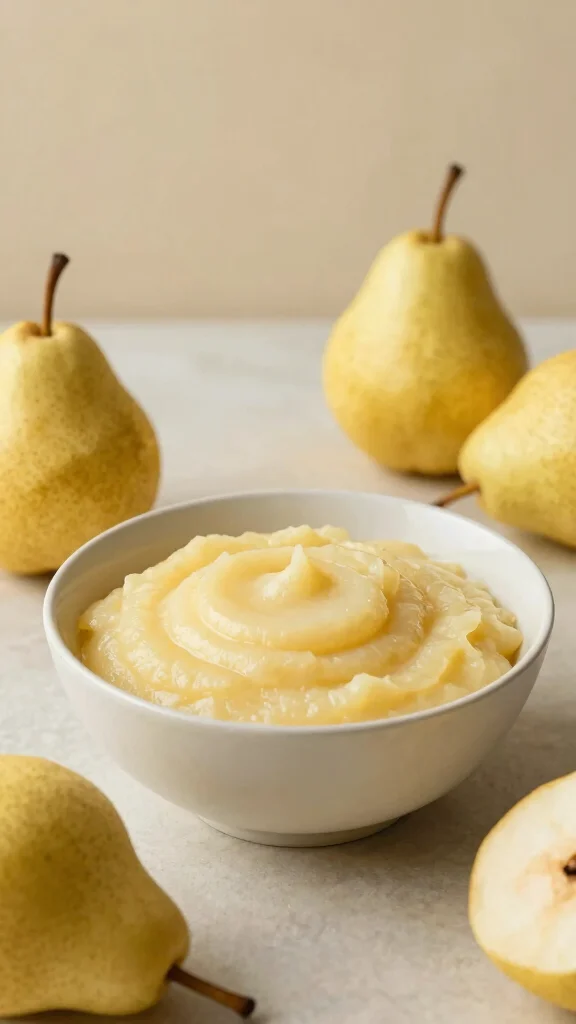
Searching for a delicately sweet option for your baby? Pear Puree is a lovely choice that offers gentle flavors your little one will adore. Pears are easy on the tummy and high in fiber, making them perfect for easing digestion. This puree can stand alone or be mixed with other fruits for delightful combinations!
Ingredients:
– 2 ripe pears
Instructions:
1. Peel, core, and chop the pears into small pieces.
2. Steam pears until soft, about 10 minutes.
3. Blend until smooth, adding a bit of water if needed.
4. Serve fresh or store in the refrigerator for up to 3 days.
– For a twist, mix pear puree with a little cinnamon.
– This puree freezes well, just store in ice cube trays!
FAQs:
– What if the pears are not ripe? Allow them to ripen at room temperature before cooking.
– Can I combine this with other fruits? Yes, pears pair beautifully with many fruits!
6. Blueberry Puree (8-10 Months)
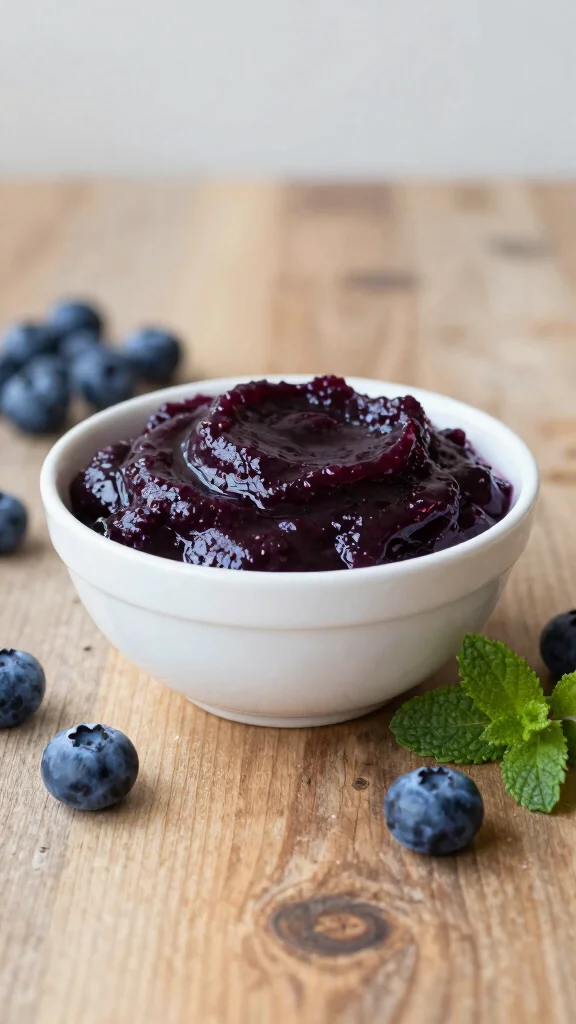
Excited to introduce superfoods to your baby’s diet? Blueberry Puree is a delightful way to do just that! Bursting with flavor, blueberries are rich in antioxidants and vitamins, promoting overall health. Their sweet-tart flavor will help expand your baby’s palate while being gentle on sensitive tummies.
Ingredients:
– 1 cup fresh or frozen blueberries
Instructions:
1. If using frozen blueberries, thaw them slightly.
2. In a small pot, simmer blueberries with a tablespoon of water for about 5 minutes until soft.
3. Blend until smooth and strain if desired for a smoother texture.
4. Cool before serving.
– Blueberries can also be added to oatmeal or yogurt for a fun meal mix!
– Always check for any allergies before introducing new foods.
FAQs:
– Can I freeze blueberry puree? Yes, it freezes well in airtight containers for up to 3 months.
– Are blueberries a choking hazard? Ensure they are pureed smoothly for younger babies.
How To Choose Homemade Baby Food for Your Little One
When you’re starting your journey into homemade baby food, choosing the right ingredients is key. With so many options, it can feel overwhelming. Here’s a simple guide to help you select the best ingredients based on your baby’s age and preferences.
1. Age Appropriateness
Always consider your baby’s age when selecting ingredients. For newborns around 4-6 months, stick to single-ingredient purees like sweet potatoes or avocados. As your baby approaches 6-8 months, you can start introducing combinations, such as carrots mixed with peas. Always check for age recommendations on recipes to ensure safety.
2. Freshness and Quality
Opt for fresh, organic fruits and vegetables whenever possible. Fresh produce retains more nutrients, which is essential for your growing baby. If you can’t find fresh ingredients, frozen vegetables without additives can be a good alternative. Just make sure to thaw them properly before pureeing.
3. Nutritional Value
Focus on high-nutrient foods. Sweet potatoes, for instance, are packed with vitamins A and C, which are great for your baby’s immune system. Leafy greens like spinach are also nutrient-dense. Always aim to provide a variety of colors on your baby’s plate; this ensures they receive a range of nutrients essential for growth.
4. Allergies and Sensitivities
Be cautious of potential allergens. Introduce new foods one at a time, waiting a few days before adding another. Common allergens include peanuts, dairy, and eggs. If your family has a history of food allergies, consult with your pediatrician before introducing potentially allergenic foods.
5. Texture and Consistency
The texture of baby food should match your baby’s developmental stage. For younger babies (4-6 months), purees should be smooth. As they grow (6-12 months), you can start to introduce chunkier textures. This helps them learn to chew and swallow solid foods. You can easily adjust the consistency by adding water or breast milk when blending.
6. Convenience and Preparation Time
Consider how much time you have to prepare baby food. If you’re short on time, choose simple recipes that require minimal ingredients. Batch cooking is a great strategy. Prepare larger quantities and freeze them in ice cube trays. This way, you’ll have quick meals ready to go, making mealtime less stressful.
Pro Tip: Keep a list of your baby’s favorite purees and new foods to try. This will help you stay organized and ensure a diverse diet for your little one. Plus, it’s a fun way to track their taste preferences as they grow!
By following these simple guidelines, you can create delicious homemade baby food that your little one will enjoy, while also ensuring they receive the nourishment they need to thrive. Happy cooking!
7. Pea Puree (8-10 Months)
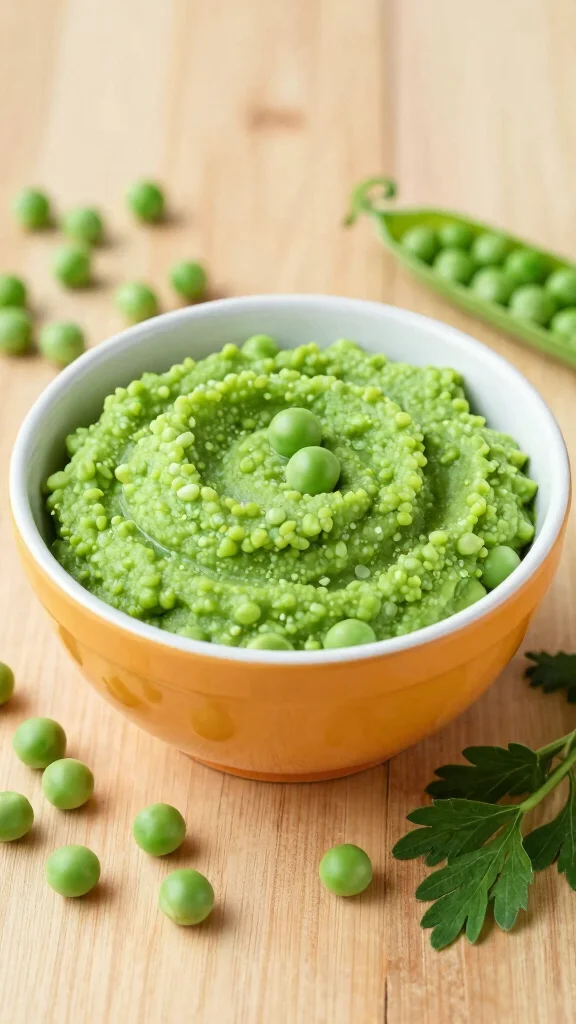
Want to brighten up your baby’s meals? Pea Puree is a wonderfully vibrant choice full of nutrition! Packed with protein and fiber, peas support growth and development. Plus, the bright green color is not only eye-catching but also packed with goodness!
Ingredients:
– 1 cup fresh or frozen peas
Instructions:
1. If using fresh peas, wash and shell them.
2. Boil them for about 5 minutes until tender.
3. Drain and blend until smooth, adding a bit of water if needed.
4. Serve warm or chill in the refrigerator.
– Peas can be mixed with carrot or potatoes for a hearty meal!
– Store in small containers for easy meal prep.
FAQs:
– Can I add seasoning to pea puree? Wait until your baby is older to introduce salt or spices.
– How long does pea puree last? In the fridge, it can last up to 3 days.
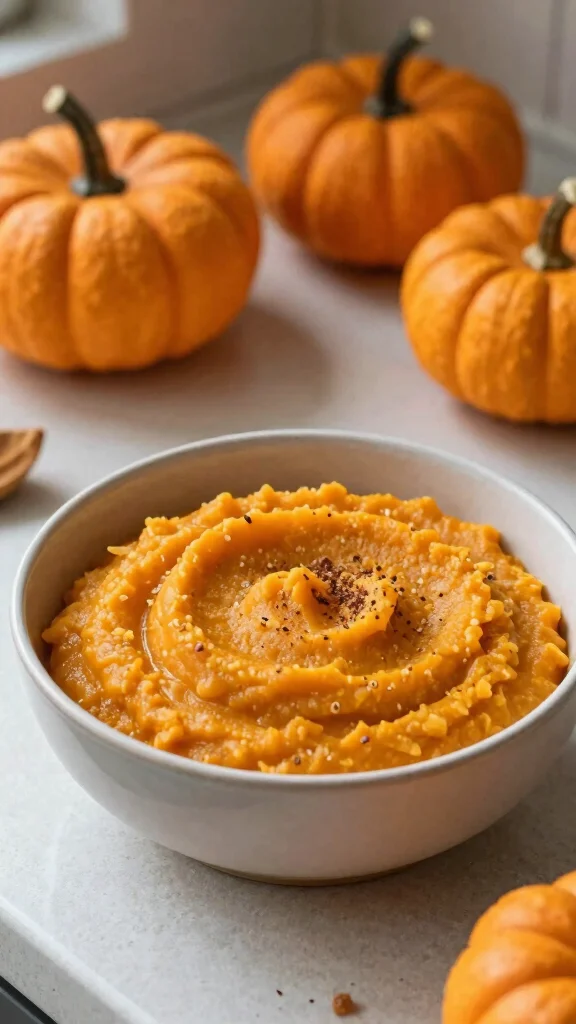
8. Pumpkin Puree (8-10 Months)
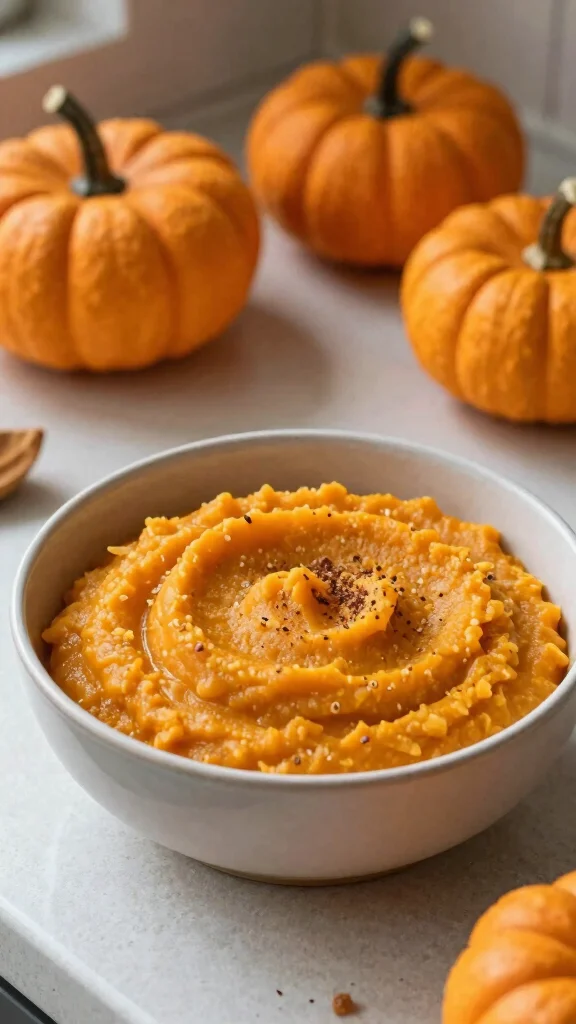
Looking for a seasonal favorite that’s highly nutritious? Pumpkin Puree is an excellent choice for your little one! Packed with vitamins A and C, it’s great for boosting immunity. Its creamy texture and subtly sweet flavor create a comforting meal as the weather cools down.
Ingredients:
– 1 small pumpkin
Instructions:
1. Preheat your oven to 350°F (175°C).
2. Slice the pumpkin in half and remove the seeds.
3. Place cut-side down on a baking sheet and roast for about 40 minutes until tender.
4. Scoop the flesh out and blend until smooth.
5. Store in the fridge for up to 5 days.
– You can also use canned pumpkin puree for a quicker option.
– Pair with apple or banana for added sweetness!
FAQs:
– Is pumpkin puree safe for babies? Yes, it’s safe and highly nutritious!
– How long does homemade pumpkin puree last? It can be stored in the fridge for about 5 days.
9. Spinach Puree (8-10 Months)
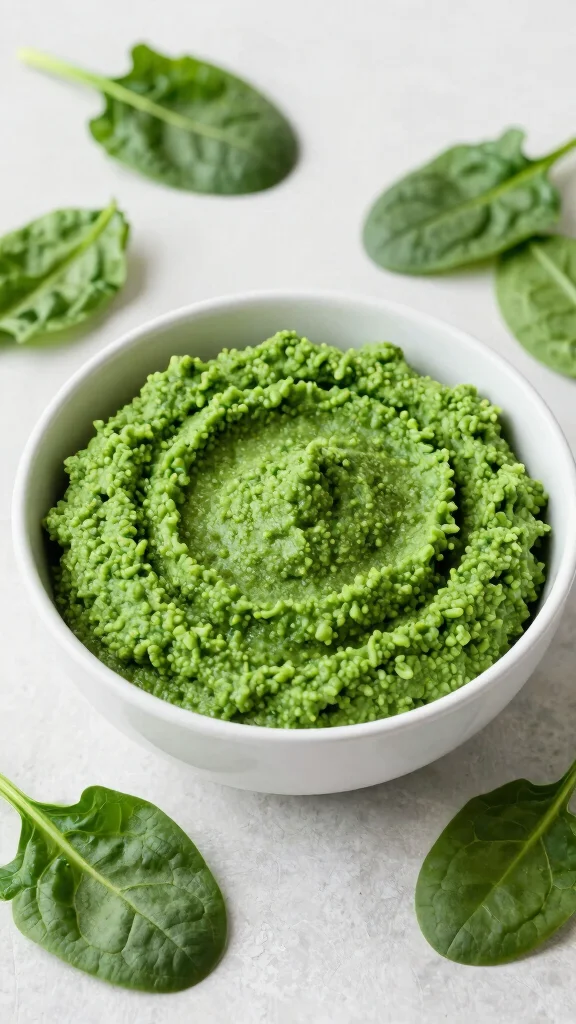
Want to sneak in some greens into your baby’s diet? Spinach Puree is a fantastic way to do just that! Loaded with iron and calcium, spinach is crucial for your baby’s growth. Its mild flavor pairs well with various fruits and vegetables, so feel free to get creative!
Ingredients:
– 2 cups fresh spinach
Instructions:
1. Rinse the spinach leaves and steam them for about 5 minutes until wilted.
2. Blend with a bit of water until smooth.
3. Cool before serving or store in the fridge for up to 3 days.
– Spinach can be mixed with apple or pear puree for a sweeter twist!
– Always use fresh spinach for the best flavor and nutrition.
FAQs:
– Is spinach safe for babies? Yes, but introduce it after they have tried other foods first.
– How can I tell if spinach puree is ready? It should be completely smooth without chunks.
10. Butternut Squash Puree (8-10 Months)
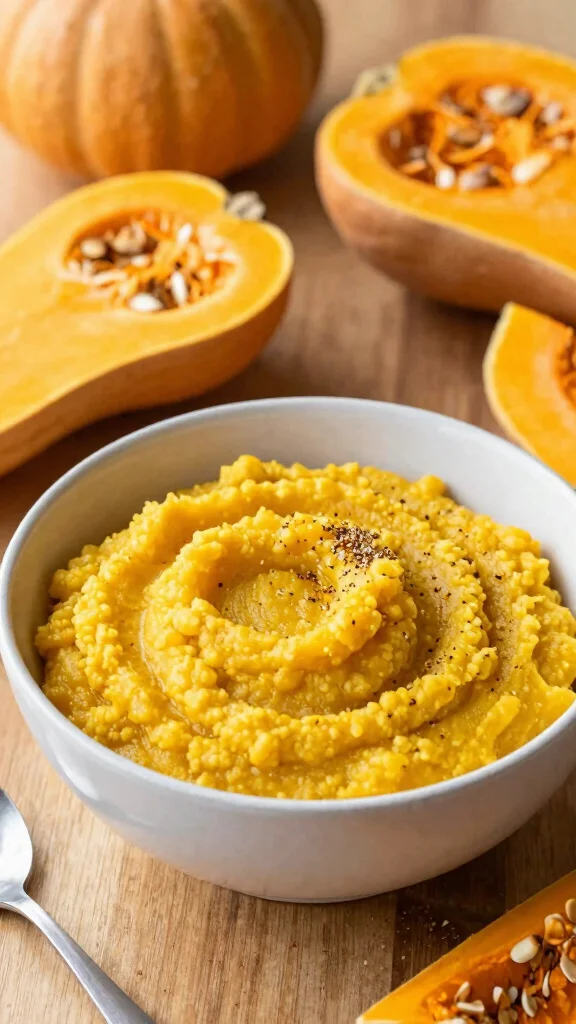
Excited to try something new? Butternut Squash Puree offers a sweet, nutty flavor that most babies love. Packed with vitamins A and C, it’s essential for immune support and vision. This puree can be served alone or mixed with other veggies or fruits for added variety.
Ingredients:
– 1 small butternut squash
Instructions:
1. Preheat the oven to 400°F (200°C).
2. Cut the squash in half and scoop out the seeds.
3. Roast on a baking sheet for about 30 minutes until soft.
4. Scoop the flesh out and blend until smooth.
5. Store in the fridge for up to 5 days.
– Pair with apple or pear for a sweet combination!
– You can also freeze in individual portions for easy meals later!
FAQs:
– Is butternut squash safe for babies? Yes, it’s very nutritious and safe!
– How long does it last in the fridge? Keep it for about 5 days.
11. Mango Puree (10-12 Months)
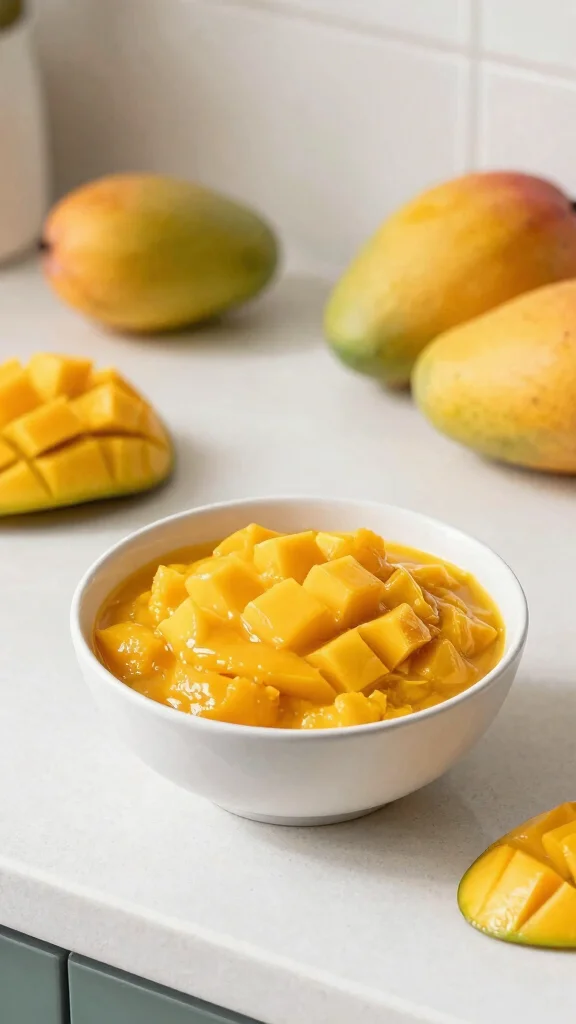
Ready to introduce a tropical delight? Mango Puree is not only delicious but also packed with vitamin C and antioxidants. It’s a fantastic way to expose your baby to new flavors and textures. Sweet and juicy, this puree is sure to be a hit!
Ingredients:
– 1 ripe mango
Instructions:
1. Peel and chop the mango, discarding the pit.
2. Blend the flesh until smooth.
3. Serve immediately or store in the fridge for up to 2 days.
– Combine mango with banana for an even creamier texture.
– Mango puree can also be swirled into yogurt for a delicious snack!
FAQs:
– Is mango safe for my baby? Yes, it’s generally well-tolerated by babies!
– How can I tell when a mango is ripe? It should be slightly soft to the touch.
12. Zucchini Puree (10-12 Months)
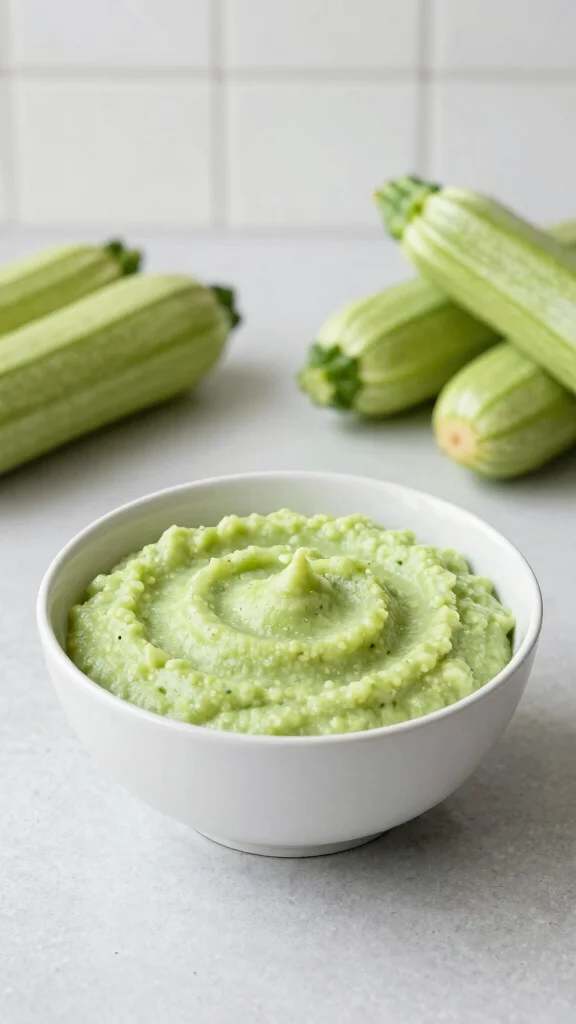
Looking for a mild yet nutritious option? Zucchini Puree is a fantastic addition to your baby’s meals, offering a smooth texture and hydrating benefits. This puree can be served alone or mixed with other vegetables or grains for a heartier meal!
Ingredients:
– 1 medium zucchini
Instructions:
1. Wash and chop the zucchini into small pieces.
2. Steam or boil until tender, about 10 minutes.
3. Blend until smooth, adding water if necessary.
4. Cool before serving or store in the fridge for up to 3 days.
– Mix with avocado for added creaminess!
– Zucchini puree can also be used in muffins or pancakes for older babies.
FAQs:
– Can I serve zucchini raw? It’s best to cook it to make it easier to digest for babies.
– How can I store zucchini puree? Keep it in the fridge for up to 3 days.
13. Quinoa Puree (10-12 Months)
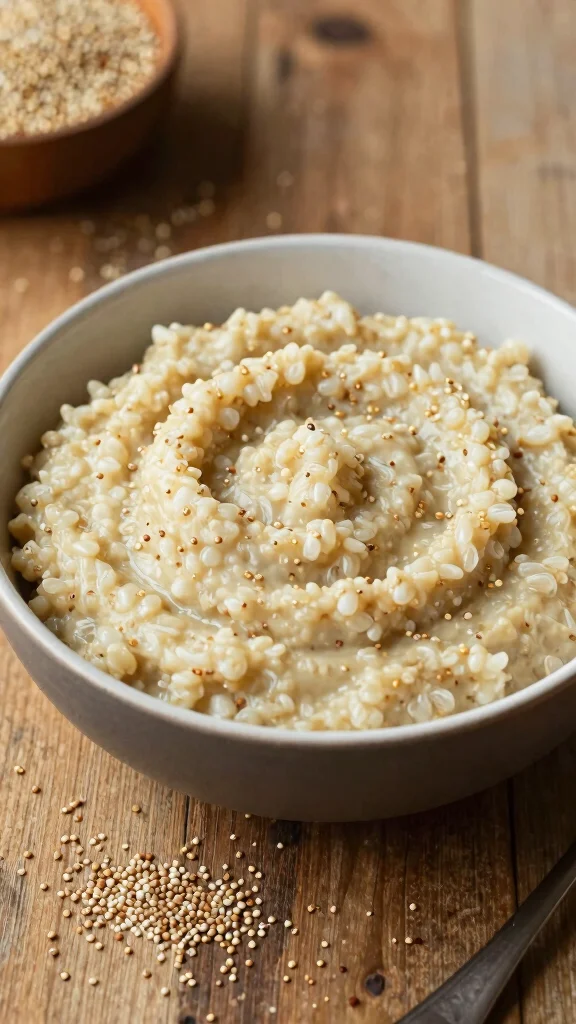
Eager to introduce a nutritious grain? Quinoa Puree is an excellent option rich in protein and fiber. This puree offers a nutty flavor that can be enhanced with fruits or veggies for added nutrition. Since quinoa is gluten-free, it’s a great choice for babies with dietary restrictions!
Ingredients:
– 1/2 cup quinoa
– 1 cup water
Instructions:
1. Rinse quinoa under cold water to remove bitterness.
2. Combine quinoa and water in a pot and bring to a boil.
3. Reduce heat, cover, and simmer for about 15 minutes until water is absorbed.
4. Blend the cooked quinoa with a bit of water for a smooth consistency.
5. Serve warm or store in the fridge for up to 3 days.
– Add mashed bananas or pureed pears for a tasty twist!
– Quinoa can be served as a finger food as your baby grows.
FAQs:
– Is quinoa safe for babies? Yes, it’s highly nutritious and easily digestible.
– How do I know when quinoa is cooked? It should be fluffy and the grain should have a little tail.
14. Oatmeal Puree (10-12 Months)
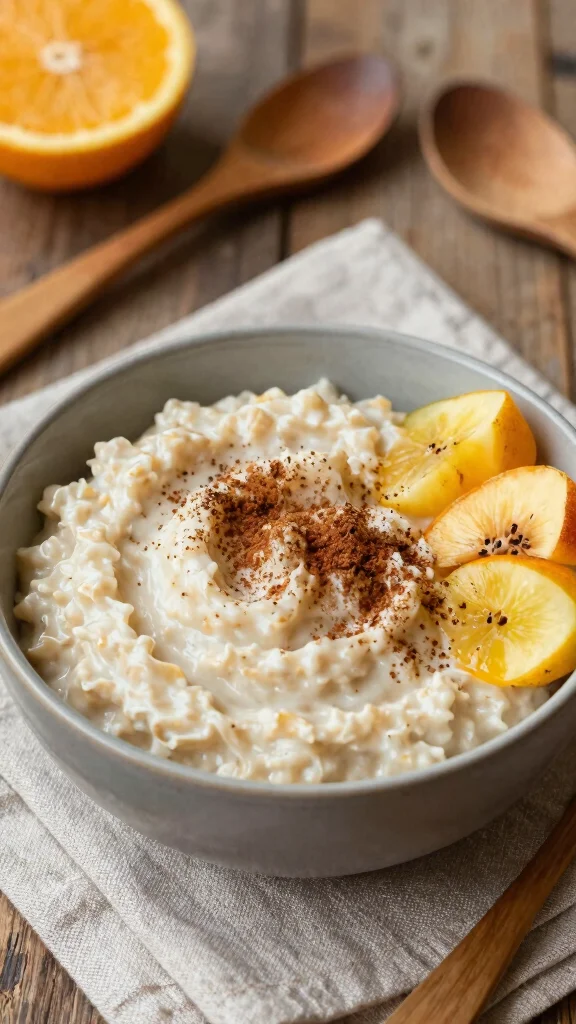
Looking for a wholesome breakfast option? Oatmeal Puree is perfect for starting the day! Oats are packed with fiber and essential nutrients that support your baby’s growth. This puree is easy to prepare and can be mixed with fruits for added flavor.
Ingredients:
– 1/2 cup rolled oats
– 2 cups water or milk
Instructions:
1. In a pot, bring water or milk to a boil.
2. Add the oats and reduce to a simmer.
3. Cook for about 10 minutes until creamy, stirring occasionally.
4. Blend until smooth for a baby-friendly texture.
5. Cool before serving.
– Add mashed bananas or apples for a natural sweetness!
– Oats can also be used in muffins or pancakes for older babies.
FAQs:
– What kind of oats should I use? Rolled oats are ideal for pureeing!
– Can I prepare oatmeal in advance? Yes, it can be stored in the fridge for up to 3 days.
15. Egg Yolk Puree (10-12 Months)
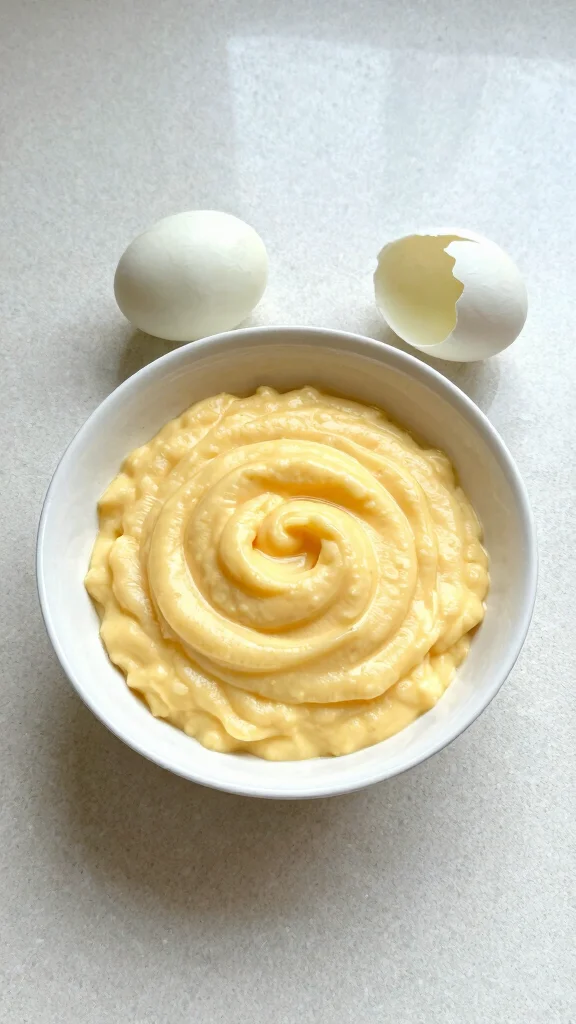
Ready to introduce a protein-packed option? Egg Yolk Puree is perfect for your baby’s diet as they grow! Eggs are rich in choline, essential for brain development. At 10-12 months, your baby can enjoy this nutritious and creamy option!
Ingredients:
– 1 egg
Instructions:
1. Bring a pot of water to a boil.
2. Gently place the egg in the water and boil for 10 minutes.
3. Cool the egg in cold water, then peel and separate the yolk.
4. Mash the yolk with a fork or blend with water/milk for desired consistency.
5. Serve immediately or store in the fridge for up to 24 hours.
– Always check for allergies before introducing eggs.
– Combine with avocado for a delicious mixture!
FAQs:
– Can I give my baby the egg white? Wait until after their first birthday to introduce egg whites.
– How can I store egg yolk puree? It should be kept in the fridge and consumed within a day.
Conclusion
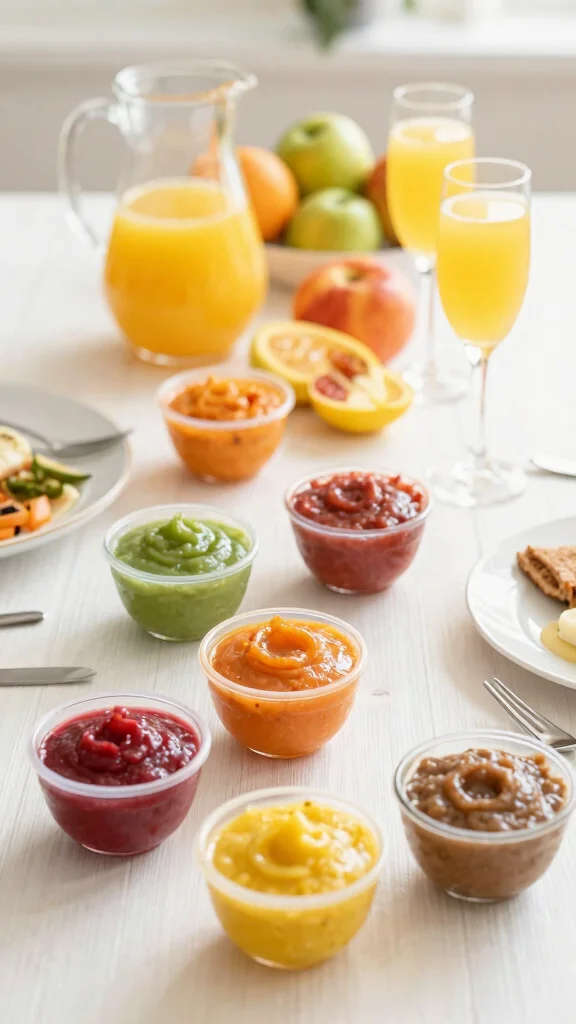
And there you have it, a delightful lineup of baby food purees that are perfect for little mouths and growing bodies! Cooking for your baby can be a fun adventure, bringing in fresh flavors and nutrients that store-bought options can’t match. With the right ingredients and a little love, meal prep will become a cherished routine, and you might just find yourself loving these purees too!
Encouraging your baby to enjoy a variety of flavors sets the foundation for a healthy relationship with food in the future. Don’t forget to toast to your culinary achievements with a refreshing mimosa, and make those brunch moments special! Happy pureeing!
Frequently Asked Questions
What is the best age to start homemade baby food purees and how should I introduce flavors by age?
Most babies are ready for solid foods around 4-6 months. Start with single-ingredient homemade baby food purées like apple, carrot, or avocado.
Wait 3-5 days between introducing new flavors to watch for allergies. By 6-8 months you can thicken textures to a smoother mash, by 9-10 months introduce lumpier textures, and by 12 months offer tiny soft chunks.
Keep flavors simple and salt- and sugar-free. Make it playful and fun with color and texture variety, always following your pediatrician’s guidance.
How should I store and portion homemade baby food, and how long will it stay fresh as my child grows?
For safety and freshness, portion homemade baby food into small batches. Refrigerate immediately and use within 48 hours for single-ingredient purées.
For freezing, spread into ice cube trays, freeze, then transfer to labeled bags or containers; most purées keep 1-3 months. Thaw in the fridge overnight or gently warm and test temperature before serving.
Always label with the date and the age it’s suitable for. As your baby grows, you can mix flavors after thawing, but don’t refreeze once thawed.
What safety steps should I follow to prevent choking when making purees for different ages?
Texture progression is key. Start with a super-smooth homemade baby food puree at 4-6 months, then gradually introduce thicker purées and mashed foods as your baby develops around 9-12 months to practice chewing.
Always supervise mealtimes, cut foods into tiny safe pieces, avoid hard shapes, and don’t add salt or sugar.
Avoid choking hazards like whole grapes, popcorn, nuts, and hard candies. Also avoid honey in the first year and ensure foods are cooked soft and well-mashed until your child can handle lumpier textures.
Which brunch-friendly ingredients can become healthy homemade baby food, and is it okay to share meals with my baby during weekend brunch?
Brunch is a great place to try homemade baby food using family-friendly ingredients like ripe avocado, banana, steamed carrot, sweet potato, oats, yogurt (full-fat and plain if age-appropriate), and peas.
You can create simple blends like avocado-banana or applesauce oats. Honey should be avoided before 12 months. And while adults might sip mimosas or enjoy a brunch cocktail, never give alcohol to a baby. Keep the infant-friendly portions separate and encourage safe, age-appropriate textures — and have a fun brunch with color and presentation.
How can I keep making homemade baby food practical and fun for a busy family?
Batch cooking is a lifesaver for homemade baby food by age. Plan meals for the week, steam or bake in large batches, then puree and portion into ice cubes.
Label with age ranges and store. Mix flavors to keep it fun for baby learning new textures. Involve your little one as they grow to make meal prep a family activity, and keep safety top of mind with clean utensils and proper reheating.
Remember, the goal is nutrition, convenience, and joy.