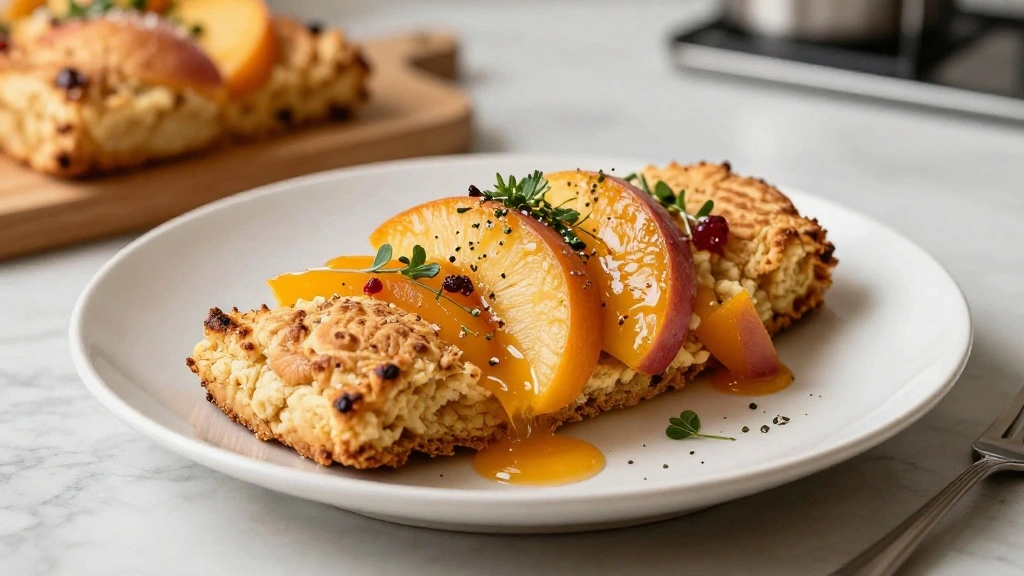
There’s something undeniably comforting about a warm peach cobbler fresh from the oven.
The tender, juicy peaches meld with a buttery, crumbly topping to create a dessert that’s both simple and satisfying.
I first fell in love with peach cobbler during a summer trip to Georgia, where the peaches are as sweet as candy.
This 30-Minute Peach Cobbler is perfect for those moments when you crave a homemade dessert without spending hours in the kitchen.
Whether it’s a family gathering or a solo treat, this quick cobbler will meet your needs with ease.
The History and Cultural Significance
• 30-Minute Peach Cobbler traces its origins to the American South, where it was originally created by settlers who lacked proper ovens and had to improvise with simple ingredients.
• The dish evolved over decades as canned peaches and pre-made doughs became available, eventually becoming the beloved version we know today.
• In Southern culture, this dish traditionally appears at church picnics and family reunions, symbolizing warmth and hospitality.
• While many variations exist across different regions, the authentic version maintains the balance of juicy peaches and a golden, crispy topping that sets it apart from imitations.
Recipe Overview
Nutritional Information (per serving)
Essential Equipment Guide
Oven-safe Skillet: An oven-safe skillet is crucial for achieving an even bake and a crispy topping. A cast-iron skillet is ideal, but a heavy-duty stainless steel or non-stick skillet can also work.
Mixing Bowls: Mixing bowls of various sizes will help you prepare the ingredients separately and keep them organized. Look for bowls with non-slip bases for stability.
Pastry Cutter: A pastry cutter is important for cutting butter into the flour mixture efficiently. If you don’t have one, two forks or a food processor can be used as alternatives.
Ingredients
For the Peaches
|
|
| Amount | Ingredient | Notes |
|---|---|---|
| 4 cups | peaches | sliced, fresh or canned, drained |
| 1 tablespoon | lemon juice | preserves color and adds brightness |
For the Topping
| Amount | Ingredient | Notes |
|---|---|---|
| 1 cup | all-purpose flour | provides structure |
| 1 cup | granulated sugar | adds sweetness |
| 1 teaspoon | baking powder | ensures a light and fluffy texture |
| 1 pinch | salt | enhances flavor |
| 1 stick | unsalted butter | cold and cubed, adds richness |
Preparation Methods
Fruit Maceration: This technique involves sprinkling sugar over the peaches and letting them sit to draw out their juices. It intensifies the fruit's natural sweetness and creates a syrupy base for the cobbler.
Cutting in Butter: This method involves incorporating cold butter into the flour mixture until it resembles coarse crumbs. It ensures the topping is flaky and tender. Use a pastry cutter or two knives for best results.
Baking Evenness: For an evenly baked cobbler, ensure the oven is preheated and the skillet is placed in the center. Rotate halfway through baking to promote even browning.
Step 1: Prepare Ingredients
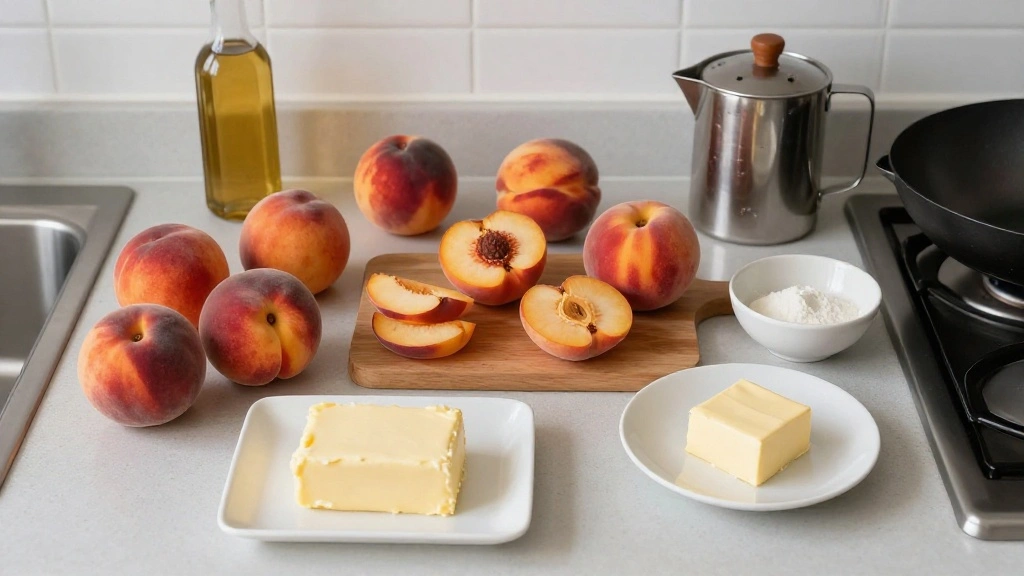
Gather all your ingredients and equipment.
Slice the peaches if using fresh ones.
Measure out all dry ingredients and cube the butter.
Ensure your oven is preheated to 375°F.
Step 2: Macerate Peaches
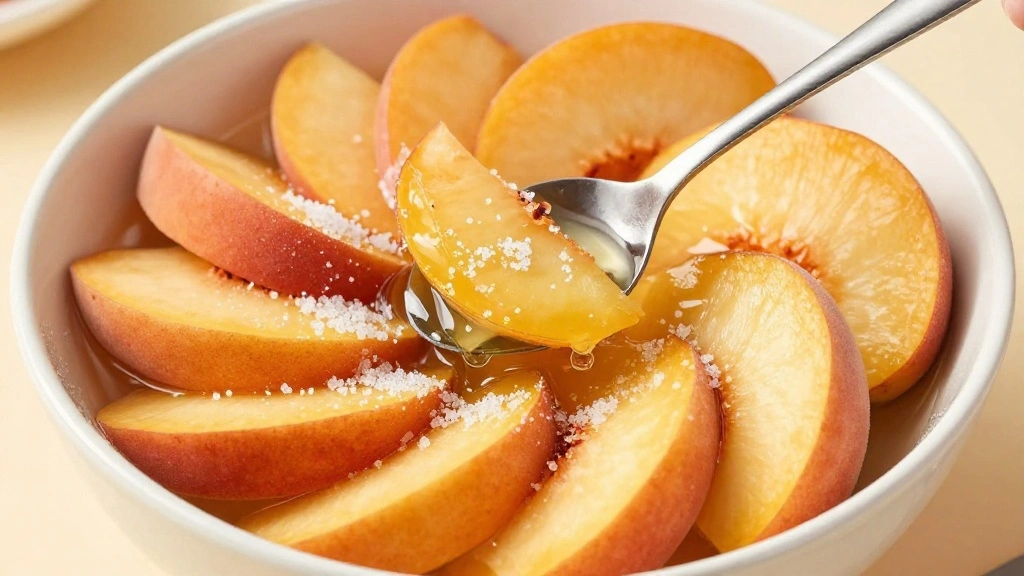
Place sliced peaches in a mixing bowl.
Sprinkle them with lemon juice and a tablespoon of sugar.
Stir gently to combine and set aside to macerate while preparing the topping.
The sugar will draw out the juices, creating a syrupy mixture.
Step 3: Mix Dry Ingredients
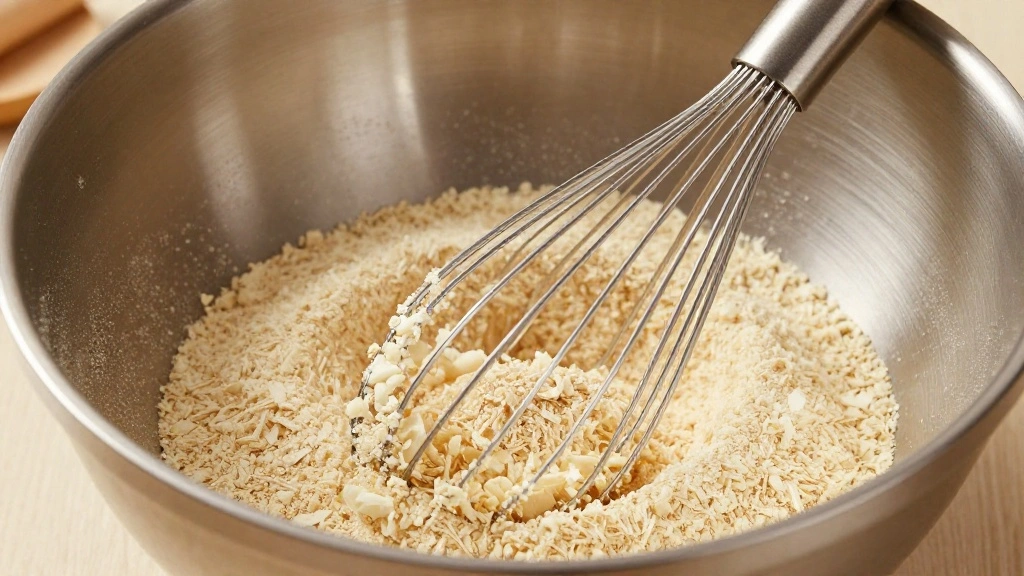
In another mixing bowl, combine flour, sugar, baking powder, and salt.
Use a whisk to blend the dry ingredients thoroughly.
This ensures even distribution of the baking powder and salt.
The mixture should be uniform in texture.
Step 4: Cut in Butter
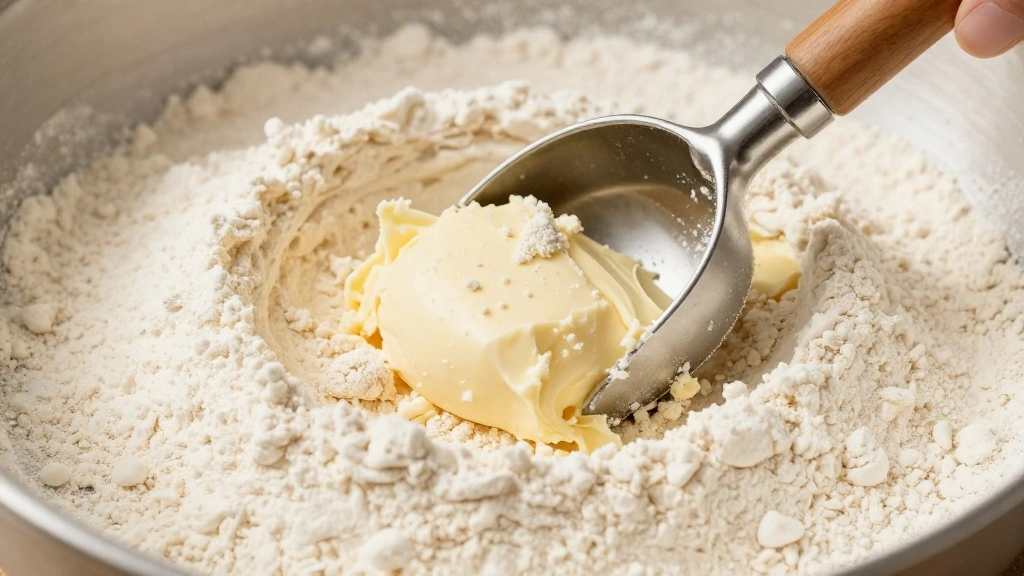
Add the cubed butter to the flour mixture.
Use a pastry cutter to cut the butter into the flour until it resembles coarse crumbs.
The mixture should have small pea-sized pieces of butter throughout.
This step is crucial for a flaky topping.
Step 5: Assemble Cobbler
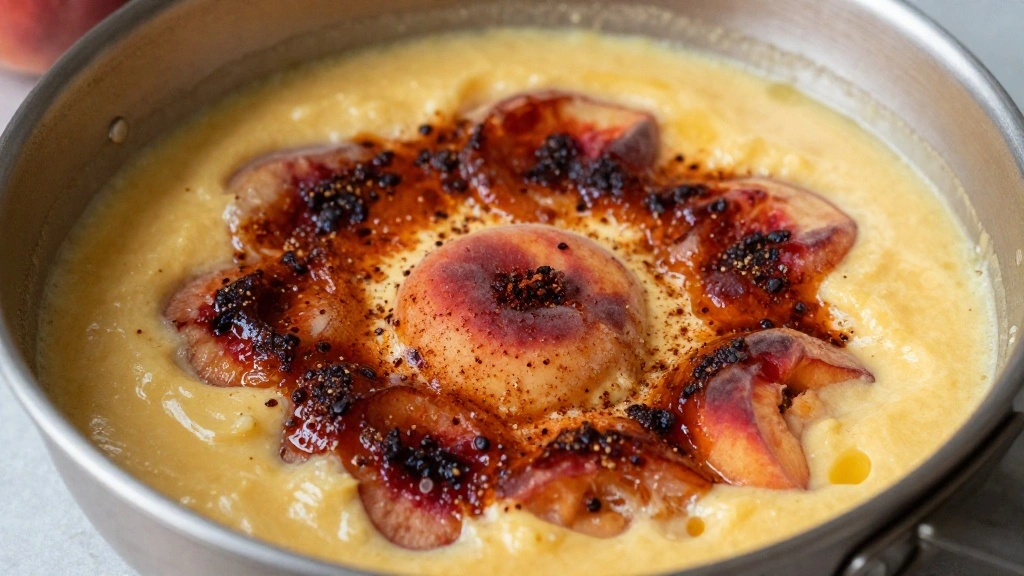
Transfer the macerated peaches into an oven-safe skillet.
Spread them evenly across the bottom.
Sprinkle the butter-flour mixture over the top of the peaches.
Ensure the topping covers the peaches completely.
Step 6: Bake Cobbler
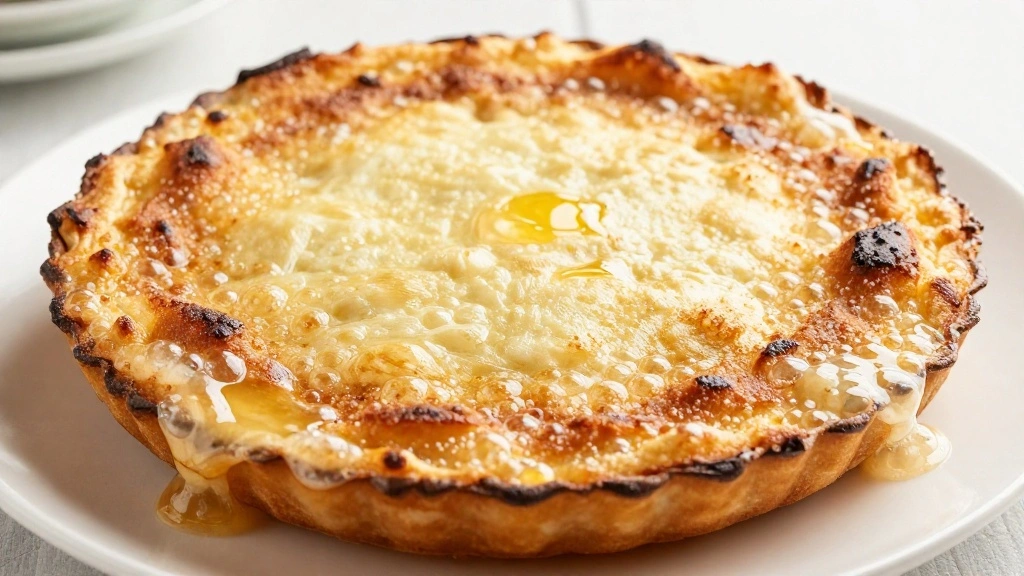
Place the skillet in the preheated oven.
Bake for 20 minutes or until the topping is golden brown.
Rotate the skillet halfway through baking for even browning.
The cobbler should be bubbling around the edges when done.
Step 7: Cool and Serve
Remove the skillet from the oven using oven mitts.
Allow the cobbler to cool for at least 10 minutes before serving.
This allows the juices to thicken slightly.
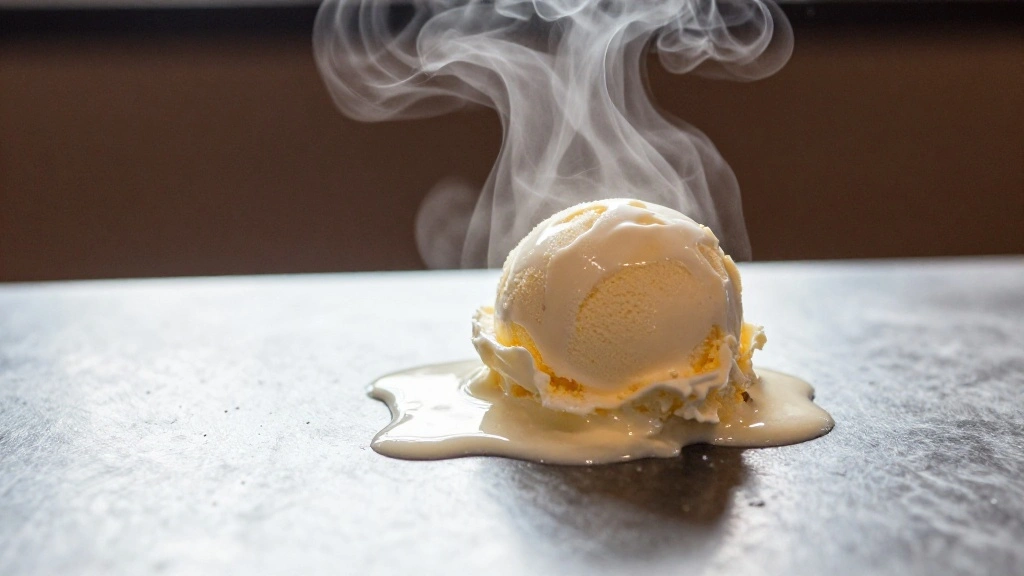
Serve warm, optionally with a scoop of vanilla ice cream.
Critical Timing and Temperature Guide
Maceration: Allow the peaches to macerate for at least 10 minutes to ensure the syrup develops fully. Avoid cutting this time short as it impacts the flavor.
Baking: Bake at 375°F for precisely 20 minutes. Look for a golden-brown topping and bubbling edges. Overbaking can dry out the topping.
Cooling: Let the cobbler cool for at least 10 minutes. This is crucial for the juices to settle and thicken, preventing a runny consistency.
Pro Tips for 30-Minute Peach Cobbler
• Ingredient Selection: Choose ripe, juicy peaches for the best flavor. If using canned, opt for those in light syrup or juice rather than heavy syrup.
• Preparation Secret: Chill the butter in the freezer for a few minutes before cutting it into the flour for a flakier topping.
• Temperature Management: Ensure all ingredients, especially butter, are cold before mixing to prevent a dense topping.
• Texture Enhancement: Use a pastry cutter to incorporate the butter into the flour for a light, crumbly texture.
• Flavor Layering: Add a pinch of cinnamon or nutmeg to the peaches for a warm, spiced undertone.
• Make-Ahead Strategies: You can prepare the dry ingredients and macerate the peaches a few hours ahead; just store them separately in the fridge.
• Restaurant-Quality Finishing Touches: Sprinkle a touch of turbinado sugar on top before baking for a caramelized crunch.
• Equipment Optimization: If using a glass baking dish instead of a skillet, be cautious of hot spots and adjust baking time if needed.
Troubleshooting Common Issues
• Runny Filling: This can occur if the peaches are too juicy or if maceration time is cut short. To fix, allow more cooling time or add a sprinkle of cornstarch before baking.
• Soggy Topping: A soggy topping often results from not cutting the butter into the flour properly. Ensure the butter is cold and fully incorporated.
• Overly Sweet: If the cobbler is too sweet, reduce the sugar in the topping or opt for fresh peaches over canned ones in syrup.
• Undercooked Topping: This can happen if the oven temperature is too low. Always bake at the specified 375°F and check for golden-brown color.
• Burnt Edges: This typically occurs if the skillet is too close to the oven walls. Rotate the skillet halfway through baking for even heat distribution.
Variations and Regional Differences
• Southern Style: This version often includes a pinch of cinnamon and nutmeg in the topping, adding a warm, spiced flavor.
• New England Variation: Incorporates blueberries along with peaches for a mixed fruit cobbler, offering a tart contrast to the sweet peaches.
• Western Style: Uses biscuit dough instead of a crumbly topping, resulting in a heartier, more filling dessert.
• Midwestern Twist: Includes a touch of almond extract in the topping for a subtle nutty flavor that complements the peaches.
Food Science Behind the Recipe
• Maceration Process: This process draws out water from the peaches, concentrating their flavor and creating a syrup that enhances the dessert without making it watery.
• Butter Incorporation: Cold butter creates steam pockets in the topping as it melts, leading to a flaky texture when baked.
• Baking Chemistry: Baking powder reacts with liquid to release carbon dioxide, causing the topping to rise and become light and airy.
Frequently Asked Questions
What's the most common mistake people make when preparing Peach Cobbler? Not allowing the maceration time for peaches, leading to a less flavorful filling.
Can I use frozen peaches? Yes, just thaw them completely and drain excess juice before using.
Why is my topping not crispy? Ensure the butter is cold and properly incorporated into the flour mixture.
How can I make this recipe gluten-free? Substitute all-purpose flour with a gluten-free flour blend that includes xanthan gum.
Is it possible to reduce the sugar without altering taste? Yes, try reducing sugar by up to 25% and compensate with a dash of vanilla extract for sweetness.
What can I serve with peach cobbler? Vanilla ice cream or whipped cream pairs perfectly with peach cobbler.
How do I store leftovers? Store in an airtight container in the fridge for up to 3 days. Reheat in the oven to regain crispness.
Serving and Presentation Guide
• Traditional Presentation: Serve warm in the skillet with a scoop of vanilla ice cream melting over the top.
• Individual Servings: Serve in small ramekins for personal-sized portions, adding a dollop of whipped cream.
• Family Style: Dish out from the skillet at the table, encouraging guests to add their own toppings like nuts or caramel sauce.
• Elegant Presentation: Plate with a drizzle of fruit coulis and a mint sprig for a refined touch.
Conclusion
Embrace the ease and comfort of this 30-Minute Peach Cobbler, a timeless dessert that never fails to impress.
Its quick preparation and satisfying flavors make it a go-to recipe for any occasion.
Whether you're a seasoned baker or a novice, this recipe promises success with every bake.